That is 0 articles you have read today.
The Aporia is free and carries no advertising, so readers are the only
thing paying for it. If you are getting this much out of it, a small
donation is what keeps it independent.
Daily limit reached
You have read 0 articles today.
That is more than the 15 a day The Aporia gives away,
and well past what it can carry on nothing. Your allowance resets at
midnight.
There is no advertising here and nothing about you is sold, so readers
are the only thing paying for it. If the site is worth this much of
your day, it is worth a few dollars.
Everything else stays open: the
maps, the
directory and
search do
not count against this, and neither does re-opening something you have
already read today.
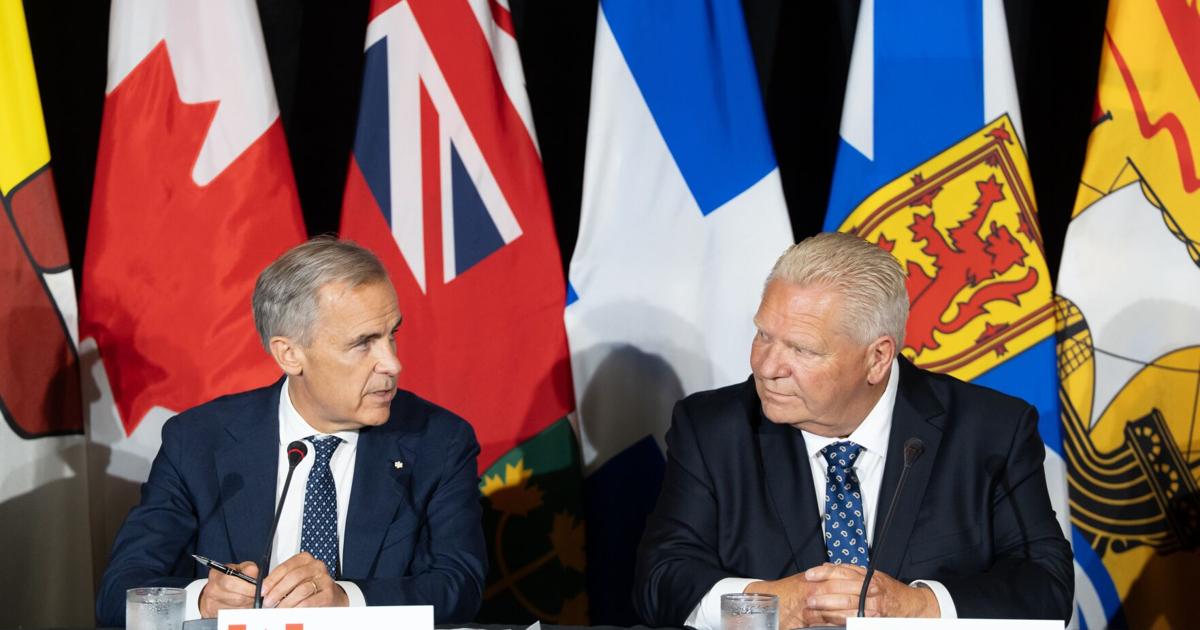
Ontario Premier Doug Ford endorsed Prime Minister Trudeau's new "mega" tax deduction aimed at spurring $1 trillion in investment over five years. The initiative allows businesses to fully expense the cost of an investment in its first year, potentially offsetting Ontario’s anticipated $2 billion revenue loss due to matching federal changes. While economists like Walid Hejazi and Adam Fremeth see this as a necessary step to enhance Canada's economic productivity and attract investments amid U.S.-Canada trade tensions, they caution that tax reductions alone may not guarantee the desired impact on investment decisions.
Written by the local model on 2026-09-17,
using this article's own text rather than the other coverage of the
same event (that is the story summary below).
Claims extracted
15
claim-shaped sentences
Uncertain
0%
0 of 15 hedged
Leaning
Leans right
of the writing, not the subject
Correction & hedging signals
61.4
corrections and hedging in what we collected;
not a measure of accuracy
Outlets on this story
1
Economy/Business
Narrative spread
1
articles carrying this framing
Story summary
Ontario Premier Doug Ford endorsed Prime Minister Justin Trudeau's decision to introduce a new "productivity mega deduction" aimed at boosting business investment in Canada. The measure allows companies to fully write off the cost of an investment in its first year, potentially attracting $1 trillion in new investments over five years across the country. However, this will result in a loss of $2 billion for Ontario’s treasury annually due to the province's integrated corporate tax system with Canada’s federal government. Ford believes that the deduction will attract enough economic activity to offset these losses and spur growth despite the financial hit. Western University’s Ivey Business School associate professor Adam Fremeth highlighted the importance of such investments in closing productivity gaps between Canada, the United States, and other major economies.
Written for “Ontario Tax Deduction Controversy” on 2026-09-17,
grounded in this article and the 0 other(s) covering the same event.
Why this leaning score
The article's own words the score was based on. Each is quoted
verbatim and was checked against the article text before being
stored, so you can find it in the original.
Leaning score +0.35 for article 15075 (high confidence, 1 verified quote) · logged 2026-09-17
It’s a big haircut, but Premier Doug Ford is betting a flowing mane will grow from Mark Carney’s new “mega” tax deductions aimed at spurring new investment amid the Trump trade war.
asserted
mane → ’ → war
“I welcomed the prime minister’s decision to follow the lead on cutting taxes,” an enthusiastic Ford said Wednesday, a day after the “productivity mega deduction” was announced.
asserted
deduction → welcome → taxes
“It’s going to cost our treasury $2 billion, but we’re going to see multiple billions of dollars being invested because of that.”
asserted
billions → go → that
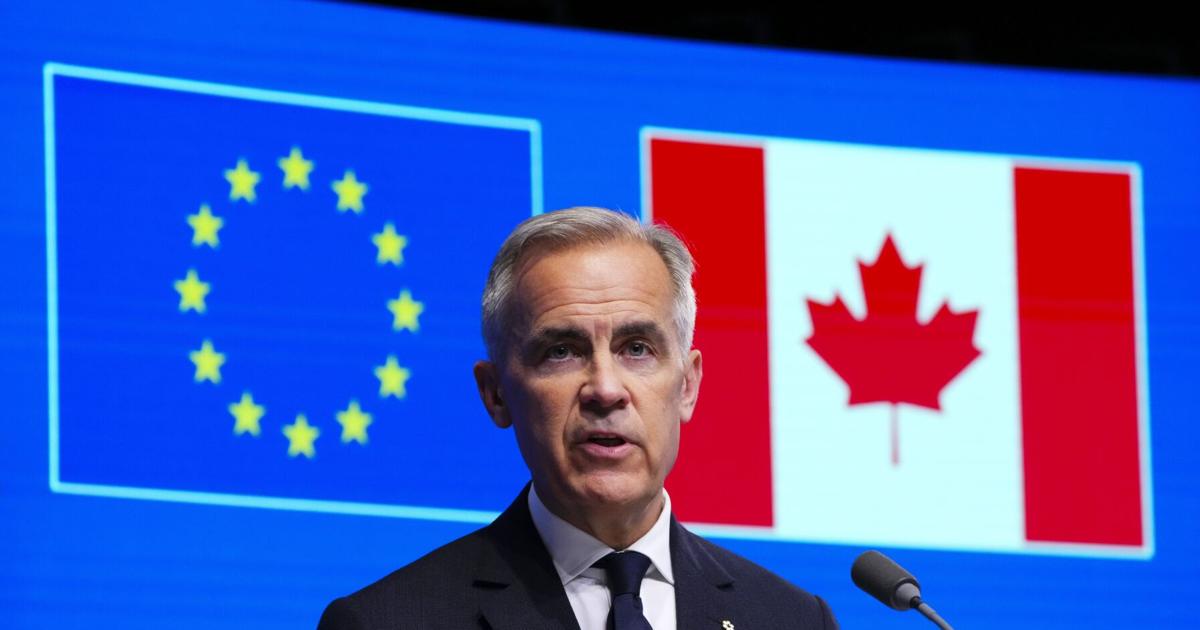
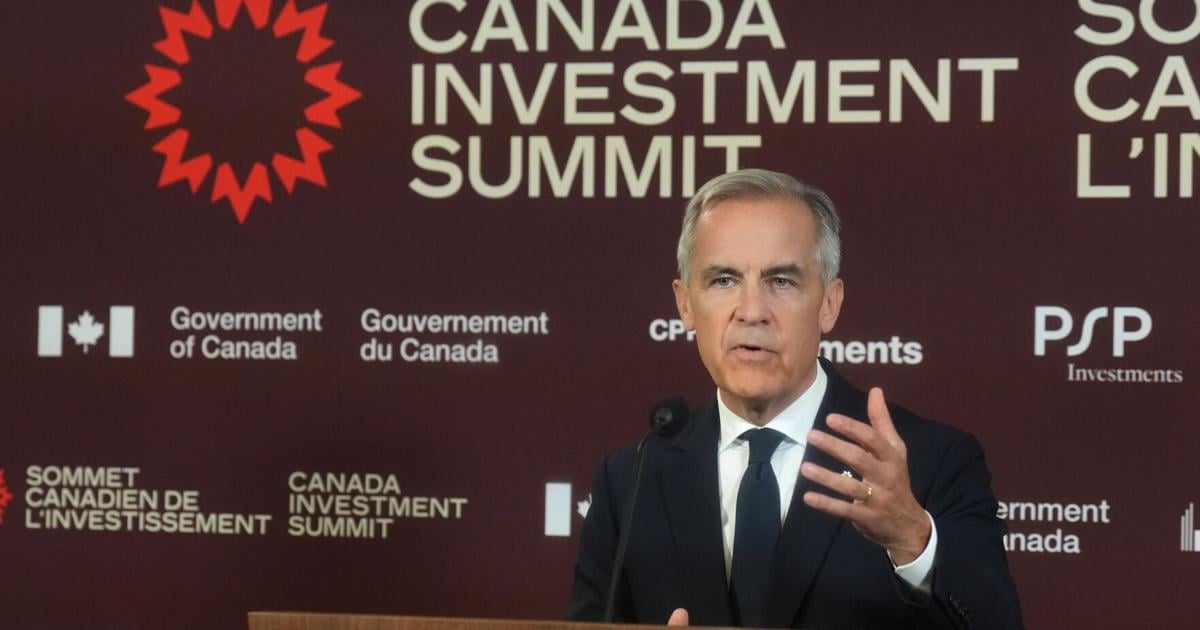
The new measure aimed at attracting $1 trillion in new investment to Canada over the next five years expands the range of capital assets that can be expensed immediately, allowing businesses to fully write off the cost of an investment in its first year.
asserted
businesses → aim → year
Carney said the country’s effective tax rate will be “the lowest of any major economy in the world, less than one-half the rate in the United States.
asserted
rate → say → States
”
Ford’s calculation is that the deduction will attract enough new investment to the province to offset the $2 billion that will be lost because Ontario’s corporate tax system is integrated with the federal one, meaning any changes made by Ottawa must be matched by the province.
asserted
changes → attract → province
“The question is how much more investment we need to break even,” said Walid Hejazi, a professor of economic analysis and policy at the University of Toronto’s Rotman School of Management.
asserted
Hejazi → need → Management
While he applauds the new deduction as necessary to lure a dramatic increase in new investment and boost Canada’s economic productivity, Hejazi noted “tax reductions don’t always result in the big impact you want.”
asserted
you → applaud → impact
That’s because taxes are only one component in investment decisions that typically consider political, policy and regulatory factors and uncertainty.
asserted
that → ’ → factors
Carney and provincial premiers like Ford have been hitting on those points, emphasizing Canada is more dependable than the United States under President Donald Trump and telegraphing speedier approvals for projects.
asserted
Canada → hit → projects
Improving worker productivity in Canada and boosting the economy through new investments in machinery, equipment and more is crucial because the country has long lagged behind the United States and most nations in the Organization for Economic Co-Operation and Development, said Adam Fremeth, associate professor of business, economics and public policy at Western University’s Ivey Business School in London.
asserted
Fremeth → improve → London
“We can’t continue down this path,” he told the Star.
asserted
he → continue → Star
“This deduction will really get firms to re-evaluate their investments.
asserted
firms → get → investments
It’ll have a meaningful impact.”
asserted
It → have → impact
One key is that the change is not billed as a temporary measure, which means companies can plan on longer horizons and will likely also consider boosting their research and development spending in Canada, Fremeth said.
asserted
Fremeth → bill → Canada
 The Aporia