In short:
The federal government has scrapped a plan to cap allied health care for veterans at $5,000 a year.
asserted
government → scrap → 5,000
The proposal had been criticised by veteran advocacy groups and the Coalition, who said it would create barriers for ex-servicemen and women.
asserted
it → criticise → servicemen
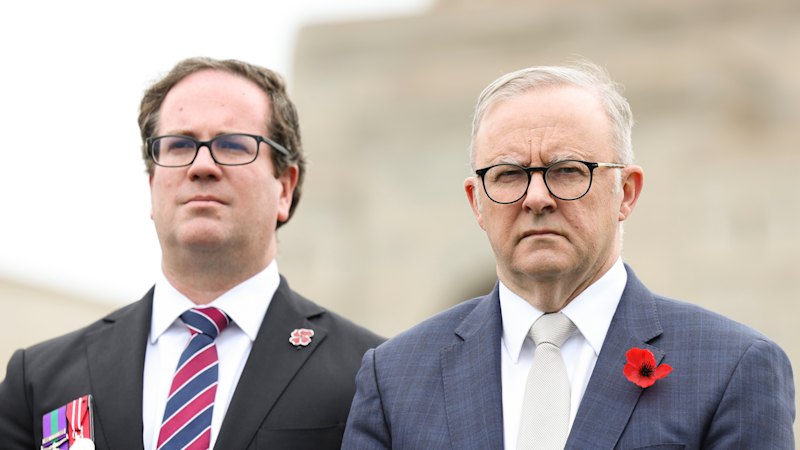
Minister for Veterans' Affairs Matt Keogh said he would continue to engage with veterans to create a fairer system.
asserted
he → say → system
The Albanese government has bowed to pressure, scrapping a plan to cap allied health services for veterans at $5,000 a year.
asserted
government → bow → 5,000
The proposal would have imposed an "annual monetary limit" on services such as physiotherapy and dentistry, with veterans able to access more funding if they "demonstrated clinical need".
asserted
they → impose → need
The May budget showed the measure would have saved the government roughly $750 million over three years but was rubbished by both the Coalition and veteran advocacy groups for making health services harder to access.
uncertain
services → show → Coalition
Minister for Veterans' Affairs Matt Keogh released a statement today confirming the threshold measure was "off the table".
asserted
measure → release → table
"We have been consulting on this measure, and we have heard from veterans there are concerns about this approach," he said.
asserted
he → consult → approach
Mr Keogh had initially been under pressure after the Coalition accused him of declining to meet with veterans or properly understand their needs.
asserted
Coalition → accuse → needs
He later told the parliament he "got it wrong," with some government sources confirming the issue was being considered at the highest levels, including the prime minister's office.
asserted
issue → tell → office
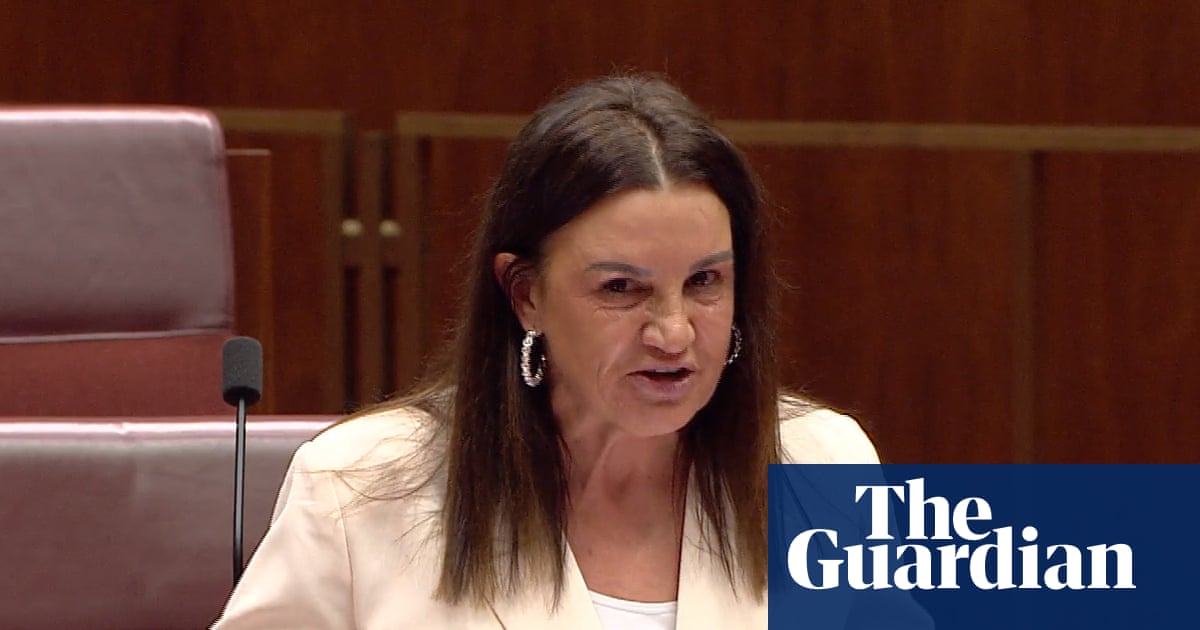
Independent senator Jacqui Lambie, who is herself a veteran, made an emotional speech in the Senate last month about healthcare access following recent surgery for vaginal prolapse.
asserted
who → make → prolapse
She turned to the Department of Veterans' Affairs (DVA) to pay for the surgery, but eventually footed the bill herself after facing serious administrative hurdles.
asserted
She → turn → hurdles
Senator Lambie linked her personal experience to the concerns being expressed by other veterans about looming changes to the way the DVA manages access to allied healthcare.
asserted
DVA → link → healthcare
Today, she said scrapping the cap was a win that belonged to "every veteran".
asserted
that → say → veteran
"They knew what would happen to our most vulnerable veterans if this cap went ahead and they fought like hell to make sure it didn't," she said.
"
asserted
she → know → hell
This cap was cruel, it was dangerous and it should never have been announced in the first place.
asserted
it → announce → place
I'm relieved that the government has finally listened and scrapped it and I thank them for doing it."
asserted
I → listen → it
Opposition Leader Angus Taylor said the government had taken "too long" to drop the policy and called on Mr Keogh to step down.
asserted
government → say → Keogh
"It has taken too long to scrap this cap.
asserted
It → take → cap
It should never have happened, and frankly, it's time for this minister to go," he said.
asserted
he → happen → ?
But advocacy group Fair Care for Veterans, which had pushed the government to drop the changes, said the minister had "made it right".
asserted
it → push → changes
"This is what happens when a government listens to veterans," spokesman John Armfield, a former navy clearance diver, said.
"
asserted
Armfield → happen → veterans
Veterans, families and doctors came from all over the country to say one thing: this cap would only ever hurt the most badly injured.
asserted
cap → come → injured
The minister made the right call, and he deserves credit for it."
asserted
he → make → it
Government still wants to find a fix
asserted
Government → want → fix
The government had said it wanted to introduce the limit to stamp out "over-servicing" of veterans who were being charged for support they did not need.
asserted
they → say → support
Department figures suggest about 10 per cent of veteran cardholders spend more than $5,000 on allied health services each year.
asserted
cent → suggest → services
A Senate estimates hearing in June heard examples of overcharging, including one case where a single patient was charged $101,000 in a single year by a dietitian, equivalent to 19 appointments a week.
asserted
patient → hear → appointments
The policy also aimed to reduce the administrative burden on veterans under the current system, which requires them to go back to a GP every 12 allied health visits for a new referral.
asserted
which → aim → referral
Mr Keogh said he would continue to engage the veteran and provider community to address those goals and "deliver on the objective of achieving better veteran wellbeing outcomes while ensuring integrity of the system".
asserted
he → say → system
"We will not change our commitment to improving access to allied health care through the fee increase to allied health providers," he said.
asserted
he → change → providers
Mr Armfield said Fair Care for Veterans was open to further conversations.
asserted
Care → say → conversations
"We welcome that, and we'll be there," he said.
asserted
he → welcome → that
"We'll also make sure whatever comes next doesn't bring the cap back under another name."
asserted
comes → make → name
Senator Lambie introduced a bill in to the Senate on Thursday that would ensure there would not be a monetary cap placed on veterans' health in the future.
asserted
that → introduce → future
It was sponsored by crossbench senators David Pocock, Lidia Thorpe and Fatima Payman, and Greens senator David Shoebridge.
asserted
It → sponsor → Pocock
The bill passed 33 votes to 19, but will now need to go to the House, where it is unlikely to pass as the government controls the numbers.
asserted
government → pass → numbers
 The Aporia