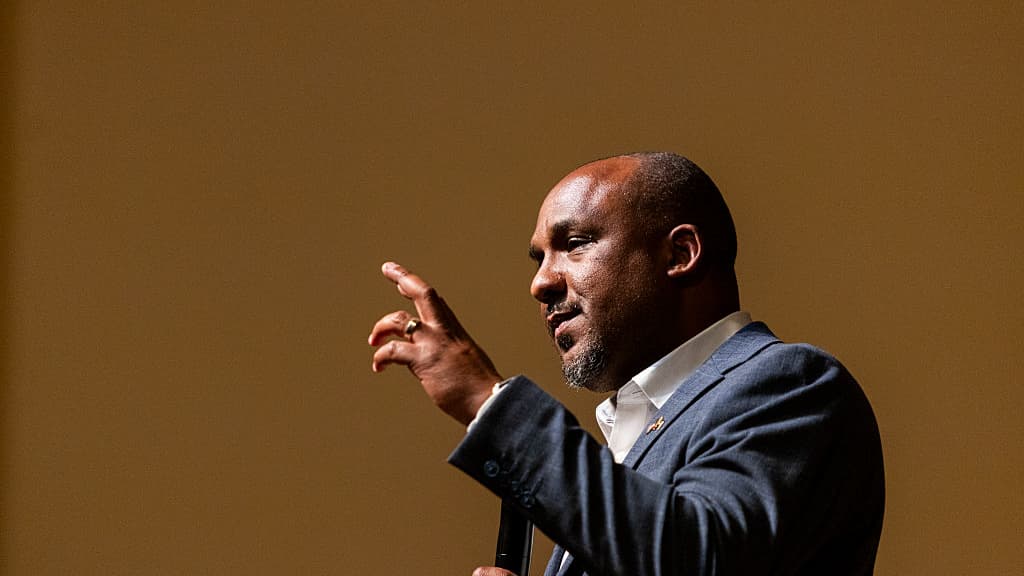
Corporate leaders in India spoke about the country’s economic growth and potential in the coming years at TIME’s The Partnership Imperative: Building the Next Chapter of Growth dinner in Andhra Pradesh on Thursday.
asserted
leaders → speak → Thursday
Speaking on the panel were Madhur Jain, co- founder and CEO of Varaha ClimateAg, a climate tech start-up; Anupriya Acharya, CEO in South Asia of Publicis Groupe, an international marketing and public relations firm; Rajesh Mittal, president of the automotive company Isuzu Motors India; and Mio Oka, the director of India operations at Asian Development Bank.
asserted
Jain → speak → Bank
Acharya spoke about the importance of flexibility when creating business opportunities across India’s vast network of markets and regions.
asserted
Acharya → speak → markets
“Flexibility starts from a point where you are not treating everything the same, and it's not like you can do copy-paste on the same solution from one market to the other,” she said.
asserted
she → start → other
“It doesn't work like that.”
asserted
It → work → that
In order to tend to the needs of multiple businesses, she said, “you have to solve for each of the sectors, each of the clients, each of the segments … starting from their own context.”
asserted
you → tend → context
Acharya also discussed the ways in which AI can provide quantitative insights into the economy and how to leverage that data.
asserted
AI → discuss → data
“The amount of data that is available is absolutely mind-blowing and mind-boggling,” she said, while stressing that for a business to thrive, it needs a qualitative understanding of the country as well as data-driven insights.
asserted
it → blow → country
“You need the qualitative aspects, the understanding of culture, understanding of India, the understanding of consumers, markets to decode … how you could plan for the future.”
uncertain
you → need → future
Oka talked about the ways in which India can continue to improve in some key business areas.
asserted
India → talk → areas
“So, what's missing in India?
asserted
what → miss → India
One is manufacturing lead growth.
asserted
One → manufacture → growth
Second is technology,” she said.
asserted
she → say → ?
She added that the agriculture business is another key component to India’s economy that should increasingly be invested in.
asserted
that → add → economy
She also said that there must be “real dialogue" between the government and companies to address systemic issues in the country.
asserted
She → say → country
“We know there are issues about labor.
asserted
We → know → labor
We know there are issues about land.
asserted
We → know → land
So why don't we talk about it?” she asked.
asserted
she → talk → it
“It's a good time that we start tackling the fundamental problems that we have, and this is why the transparent, honest dialog based on trust, is very important.”
asserted
dialog → start → trust
Jain also discussed the importance of India’s agriculture industry.
asserted
Jain → discuss → industry
“India has 162 million hectares of crop land area.
asserted
India → have → area
India always had incredible talent, which is now matched with a lot of ambition and capital as well,” he said.
asserted
he → have → ambition
“It's important that there is an eye upon these upcoming areas which can fetch billions of dollars and bring them into the country.”
asserted
which → be → country
Mittal said that India’s export economy should become the country’s focus, if it wants to see continued growth in the years to come.
asserted
it → say → years
“We have to become export oriented, and that can come only when we start thinking on building trust through quality, through discipline, through systems, through processes,” he said.
asserted
he → have → processes
“We have a lot of manpower, so we have a lot of potential to become a manufacturing hub.”
asserted
we → have → potential
The Partnership Imperative: Building the Next Chapter of Growth was presented by Andhra Pradesh.
asserted
Imperative → build → Pradesh
 The Aporia