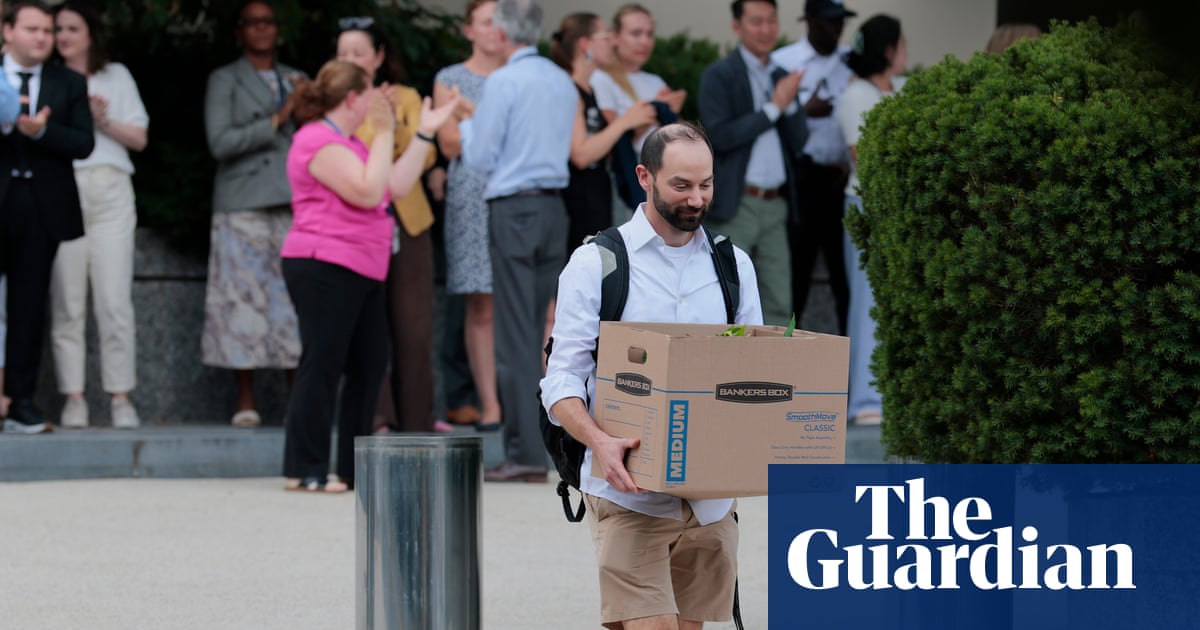
In 2025, the US government paid $9.5 billion in compensation to federal employees who were on paid administrative leave as part of efforts by the "department of government efficiency" (Doge), aimed at shrinking the workforce under the Trump administration. According to a Government Accountability Office report, this figure represents a 435% increase from 2023 and includes $6.7 billion linked to deferred resignation programs. The report highlights that about 70% of the paid leave in 2025 was tied to these programs, affecting approximately 144,312 employees across 76 agencies reviewed. Critics argue this approach has led to inefficiencies and negative impacts on services like social security deliveries and veteran care.
Written by the local model on 2026-09-17,
using this article's own text rather than the other coverage of the
same event (that is the story summary below).
Story summary
In 2025, the Trump administration spent an estimated $9.5 billion on paid administrative leave for federal workers, a sixfold increase from previous years, primarily due to the Deferred Resignation Program (DRP). This program was part of efforts by the Department of Government Efficiency (DOGE), headed by Elon Musk, to shrink the size of the government. The DRP offered employees up to eight months of full pay and benefits if they resigned voluntarily. Approximately 140,000 federal workers accepted this offer, leading to significant increases in administrative leave costs from 2023 to 2025. Senator Patty Murray criticized these actions, saying the Trump administration wasted billions on paying people not to work while promising to cut waste. The Office of Personnel Management defended the program, claiming it provides a $40 billion annual savings for taxpayers despite the initial costs.
Written for “DOGE Buyouts Cost Government” on 2026-09-17,
grounded in this article and the 5 other(s) covering the same event.
The US government paid federal workers $9.5bn not to work in 2025 as part of the Trump administration’s attempts to shrink the federal workforce.
asserted
government → pay → workforce
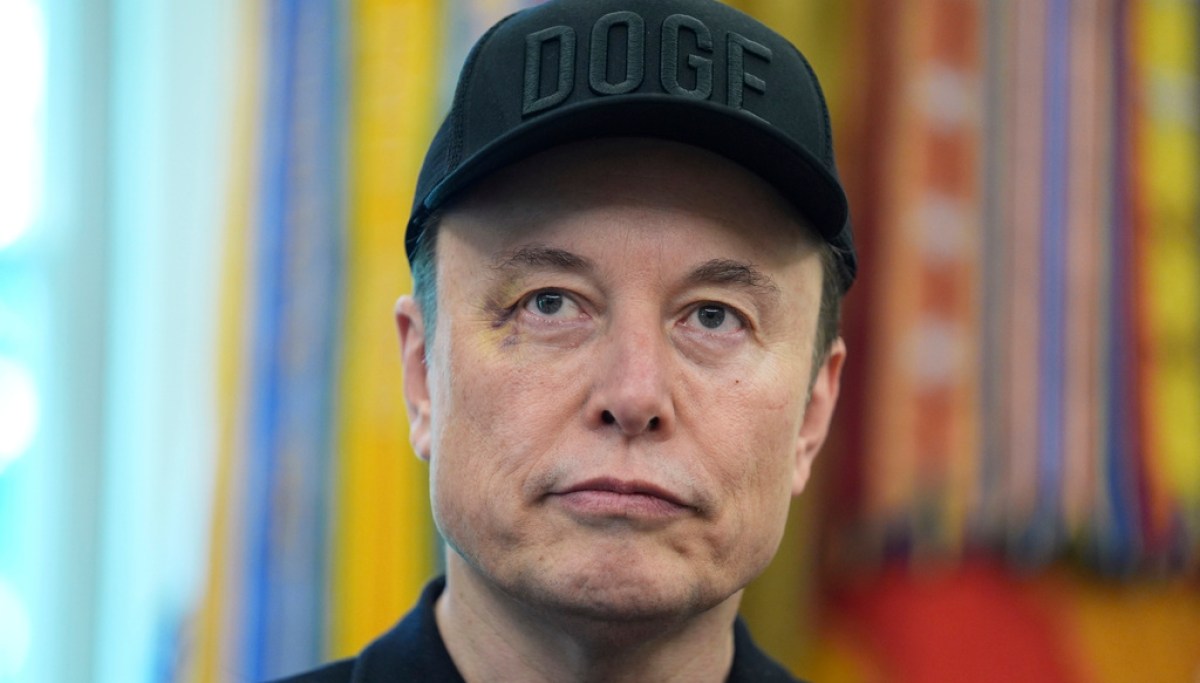
As part of efforts by the “department of government efficiency” (Doge), spearheaded by Elon Musk, federal agencies’ use of paid administrative leave rose 435% from 2023 to 2025 – costing six times what the government spent in 2023 – according to a new report released on Tuesday by the Government Accountability Office (GAO), an independent watchdog.
uncertain
government → spearhead → Office
Of the $9.5bn paid to federal workers, $6.7bn was associated with the deferred resignation program.
asserted
6.7bn → pay → program
“Paid administrative leave for federal employees is an excused absence without loss of pay or charge to leave.
asserted
leave → excuse → pay
It is a cost to taxpayers as employees receive full pay without performing job duties,” the GAO said.
asserted
GAO → receive → duties
It added: “The number of workdays of paid administrative leave reported increased from about 4m workdays and 4.4m workdays in calendar years 2023 and 2024, respectively, to about 21.6m workdays in 2025.”
asserted
number → add → 2025
About 70% of the paid administrative leave used in 2025 was tied to the deferred resignation program, according to the GAO.
uncertain
% → pay → GAO
Across the 76 agencies reviewed, 144,312 employees reported taking paid administrative leave under the program.
asserted
employees → review → program
Since January 2023, the Trump administration has reduced the federal US workforce by approximately 355,000 employees, leaving many struggling to find new jobs while others have been rehired after the administration determined that too many positions had been eliminated.
asserted
positions → reduce → jobs
Speaking to the Guardian, Douglas Pasternak, research director of Public Citizen’s Trump Accountability Project, described the federal overhaul efforts as “haphazard”.
asserted
Pasternak → speak → efforts
“There are multiple examples of how this was not thought out,” Pasternak said, adding: “It’s very clear that the Trump administration gave zero forethought to these cuts and to these deferred resignation programs.
asserted
administration → be → programs
They haphazardly went out and cut federal workers, and now we’re dealing with the ripple effects of that.”
asserted
we → go → that
He pointed to delays in social security check deliveries, longer wait times at Veterans Affairs hospitals for patients seeking critical medical and mental health care, and cuts to federal firefighters.
asserted
He → point → firefighters
Pasternak also cited reductions at the Cybersecurity and Infrastructure Security Agency, which has since sought to rehire personnel.
asserted
which → cite → personnel
“It’s a case study in mismanagement in how people went about this and it impacted everyone of all political stripes …
asserted
it → ’ → stripes
To simply say we’re going to have fewer workers and therefore less costs is not the way to look at this.
asserted
we → say → this
You need to look at it in a more sophisticated way, like what do those workers actually do?
asserted
workers → need → what
How do they improve the government?
asserted
they → improve → government
How do they actually help … provide critical resources for the American public?” Pasternak said.
asserted
Pasternak → help → public
In response to the GAO report, Patty Murray, vice-chair of the Senate appropriations committee, released a statement condemning the federal layoffs, saying: “After promising to cut waste, Trump instead set billions upon billions in taxpayer dollars on fire to quite literally pay people not to do jobs they loved – from researching cancer cures to taking care of our national parks, and so much else.
asserted
they → release → parks
“Trump spent billions to push out experienced and badly needed experts across government – this was the most expensive way imaginable to make government worse,” Murray added.
asserted
Murray → spend → government
 The Aporia