That is 0 articles you have read today.
The Aporia is free and carries no advertising, so readers are the only
thing paying for it. If you are getting this much out of it, a small
donation is what keeps it independent.
Daily limit reached
You have read 0 articles today.
That is more than the 15 a day The Aporia gives away,
and well past what it can carry on nothing. Your allowance resets at
midnight.
There is no advertising here and nothing about you is sold, so readers
are the only thing paying for it. If the site is worth this much of
your day, it is worth a few dollars.
Everything else stays open: the
maps, the
directory and
search do
not count against this, and neither does re-opening something you have
already read today.
The Government Accountability Office reported that federal workers were paid $9.5 billion not to work from 2023 to 2025 under the Trump administration’s deferred resignation program (DRP), which aimed to reduce government size. Senator Patty Murray criticized this move, calling it wasteful and detrimental to essential services like cancer research and park maintenance. In contrast, the Office of Personnel Management claimed that the one-time expense resulted in a $40 billion annual savings for taxpayers, representing a significant return on investment.
Written by the local model on 2026-09-16,
using this article's own text rather than the other coverage of the
same event (that is the story summary below).
Story summary
In 2025, the Trump administration spent an estimated $9.5 billion on paid administrative leave for federal workers, primarily due to a deferred resignation program initiated by the Department of Government Efficiency (DOGE). The DOGE, led by tech billionaire Elon Musk, aimed to shrink the government's size and cost structure. During this period, approximately 140,000 federal employees opted into the program, accepting offers to resign while still receiving full pay until September 2025. This resulted in a 435% increase in administrative leave costs from 2023 to 2025, with around $6.7 billion allocated specifically for this deferred resignation initiative. The Office of Personnel Management (OPM) defended the program, arguing that despite the initial high cost, it saved taxpayers an estimated $40 billion annually thereafter by reducing the federal workforce by over 271,000 employees as of July 2025.
Written for “DOGE Buyout Costs” on 2026-09-17,
grounded in this article and the 2 other(s) covering the same event.
Why this leaning score
The model judged this article politically coded and scored it -0.35, but all 4 of its quote(s) are attributed speech - words the article quotes from someone, not the article's own narration, so the score is not published.
Written under an earlier scoring contract, which gave a paragraph
rather than checkable quotes. Re-analysing this article replaces it.
Leaning score withheld for article 14003: attributed speech only · logged 2026-09-16
Federal workers were paid $9.5 billion not to work during the DOGE-led drive to shrink the government, according to a congressional watchdog.
uncertain
workers → pay → watchdog
The Government Accountability Office found paid administrative surged 435 percent from 2023 to 2025, with as much as $6.7 billion of that associated with the administration’s deferred resignation program.
asserted
administrative → find → program
The DRP, a key feature of the DOGE-led crackdown, involved a January 2025 offer by the Trump administration to around 2 million federal workers.
asserted
DRP → lead → workers
Employees were given the option to resign while receiving full pay and benefits until September 30 that year.
asserted
given → give → September
Some 139,963 people took up the offer, data shows.
asserted
data → take → offer
The report, published Tuesday, analyzed payroll data from 76 agencies, representing around 95 percent of the federal workforce.
asserted
report → publish → workforce
Senator Patty Murray, vice-chair of the Senate Appropriations Committee, tore into the Trump administration in a statement addressing the report’s findings.
asserted
Murray → tear → findings
“After promising to cut waste, Trump instead set billions upon billions in taxpayer dollars on fire to quite literally pay people not to do jobs they loved - from researching cancer cures to taking care of our National Parks, and so much else,” she said.
asserted
she → promise → Parks
“Trump spent billions to push out experienced and badly needed experts across government - this was the most expensive way imaginable to make government worse.”
asserted
government → spend → government
The Office of Personnel Management criticized the GAO’s findings in a statement to The Independent.
asserted
Office → criticize → Independent
“The GAO report fails to highlight the difference between a one-time expense ($9.5 billion) to reduce the size of the federal government by 270,000 employees and the $40 billion per year savings in taxpayer dollars that this reduction provides,” a spokesperson said.
asserted
spokesperson → fail → that
Slashing the size of the federal government was one of Trump’s key policies when running for president in 2024, backed by SpaceX CEO Elon Musk.
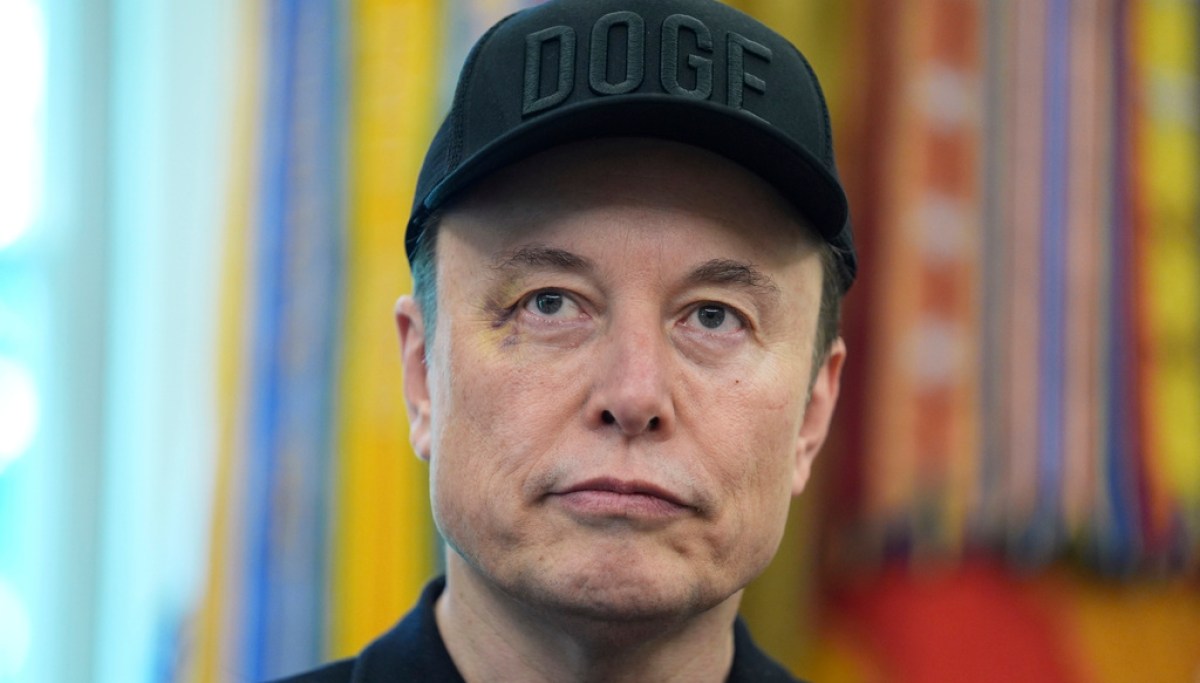
When Trump took office, Musk became the de facto head of DOGE - an acronym that stands for Department of Government Efficiency, but shares a name with Musk’s favored meme-based cryptocurrency.
asserted
that → slash → cryptocurrency
The department officially shut down in July, with its de facto leader infamously leaving the Trump administration a year earlier amid rumors of a feud with the president.
asserted
leader → shut → president
The official DOGE website estimates that around $215 billion has been saved overall through its efforts.
asserted
billion → estimate → efforts
 The Aporia