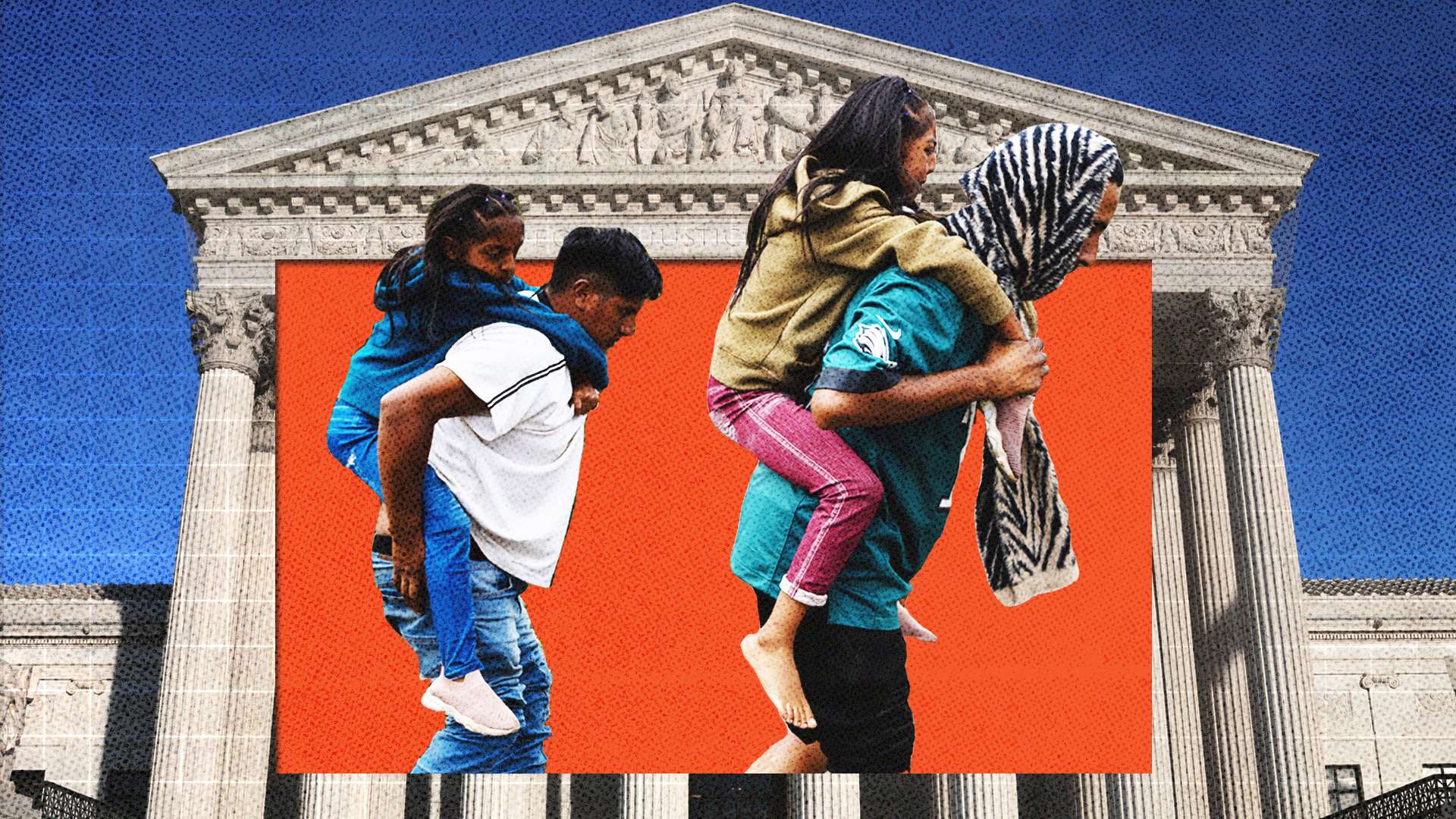
Photo via Reason

Supreme Court Seems Skeptical of Property Owners in Natural Gas Pipeline Case

Read the original at Reason ↗
Cite

Root, D. (2026, November 12). Supreme Court Seems Skeptical of Property Owners in Natural Gas Pipeline Case. Reason. https://reason.com/2026/11/12/supreme-court-seems-skeptical-of-property-owners-in-natural-gas-pipeline-case/

Dated from the outlet's own feed. Check the original for its byline.

Reason · collected 2026-11-12 · by Damon Root

Quick Summary

The U.S. Supreme Court heard arguments in Hoffman v. WBI Energy Transmission regarding whether property owners affected by an interstate natural gas pipeline can seek just compensation under state law, which offers greater protections than federal law. Representing the property owners, Robert J. McNamara argued that federal law is silent on the measure of compensation, suggesting that state law should apply. However, justices like Clarence Thomas and John Roberts were skeptical, questioning why private companies acting under federal authority should not enjoy the same privileges as the federal government.
Written by AI on 2026-11-15, from this article's own text only (the story summary below draws on all the coverage).

AI analysis

Story summary

The U.S. Supreme Court heard oral arguments in Hoffman v. WBI Energy Transmission on November 7, 2026, where property owners whose land was taken for an interstate natural gas pipeline are challenging whether they can seek just compensation under state law, which offers more protections than federal law. Robert J. McNamara, deputy litigation director at the Institute for Justice, argued that the Natural Gas Act's silence on the substantive law courts should use to determine property value means state laws should apply. However, a majority of the justices appeared skeptical of this argument, potentially limiting property owners' ability to seek better compensation.

Written for “Supreme Court Skeptical in Pipeline Case” on 2026-11-18, grounded in this article and the 0 other(s) covering the same event.

Compared with similar articles

Nothing to compare against. No article is close enough to this one for the pipeline to have linked or judged the pair.

Story

Supreme Court Skeptical in Pipeline Case
Politics · 1 article(s) covering the same event.
How this article was measured signals, leaning charts, publisher record, byline, topics and claims

Signals How these are calculated →

Claims extracted
20
sentences that state something as happening or true
Uncertain
5%
1 of 20 hedged ("reportedly", "may", "according to")
Leaning
withheld
no quote in the article backed the model's score
Publisher signals
67/100
Reason's corrections and hedging, across everything collected from it. Not a measure of accuracy.
Outlets on this story
1
Politics
Same framing elsewhere
1
articles that frame the event the way this one does
Analyzed 2026-11-15 · how these are computed

How this is being covered How these are calculated →

Article leaning vs. publisher reliability
Source leaning vs. consistency

Publisher

Reason · 1375 article(s) · 4 correction(s) detected
Running correction rate · 4 correction(s)

Who wrote this

Damon Root
12 article(s) here · 1 carrying a prediction
But that may be about to change.
McNamara acknowledged that state law "wouldn't apply to the United States if it took land in its own name."
Yesterday, the justices heard oral arguments in a case that could further insulate federal officials from facing any civil liability for their misdeeds.
2026-11-10 · mixed framing · A Bad Day at SCOTUS for Government Accountability
In a recent edition of this newsletter, I asked whether Justice Samuel Alito would come to regret making "the same mistake" as Justice Ruth Bader Ginsburg, who famously declined to retire from the U.S. Supreme Court when the Democrats still had control of the Senate and Barack Obama was still president.
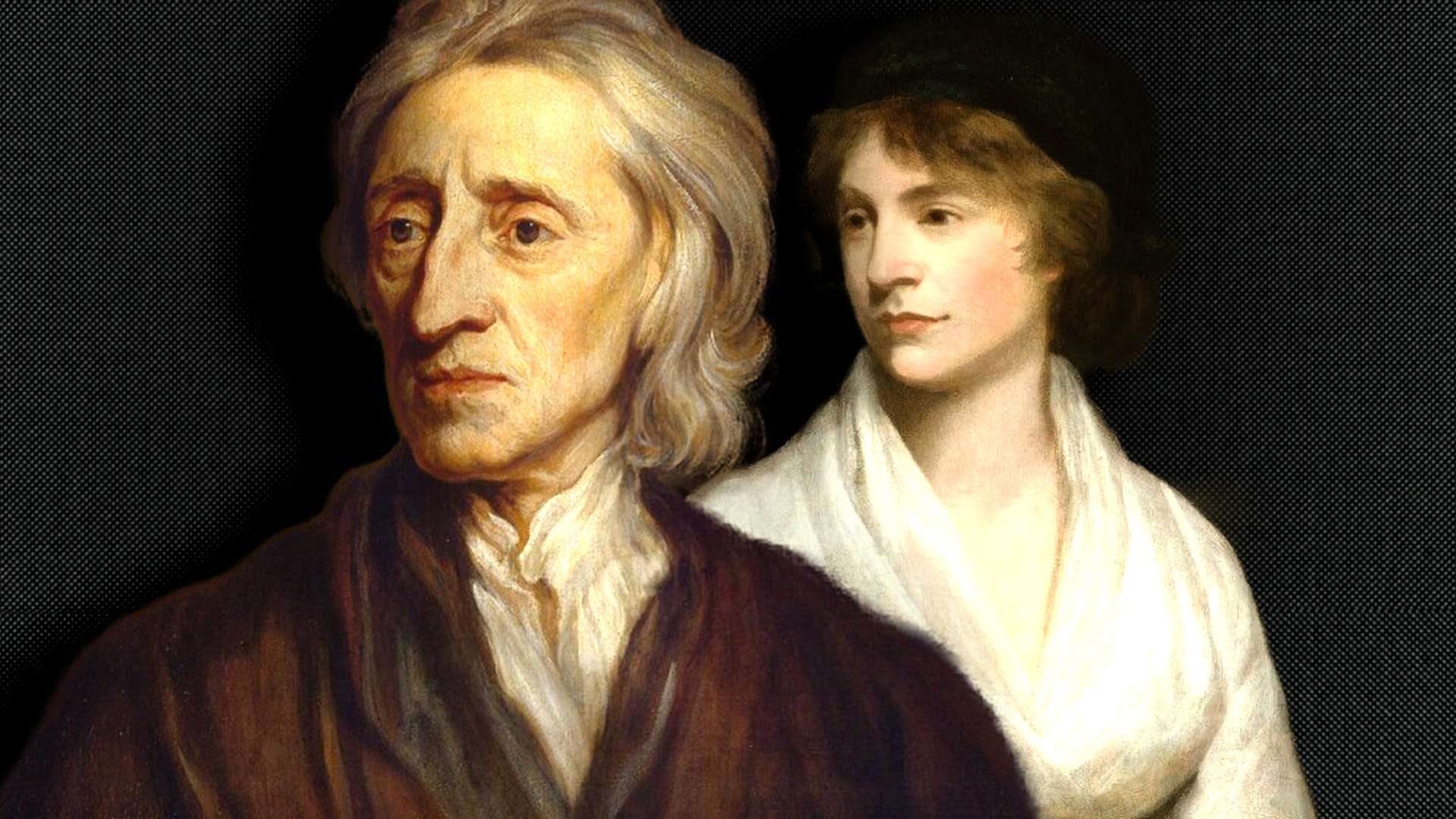
Is it any wonder that Locke's radical case for self-ownership would appeal to a young woman like Wollstonecraft, who longed to break free from the sexist laws and cultural strictures that held her back?
2026-10-29 · assertive framing · When Mary Wollstonecraft Read John Locke
The 5th Circuit also denied that the federal ban on home distilling could be saved by the government's appeal to the Necessary and Proper Clause, which says that Congress has the authority "To make all Laws which shall be necessary and proper for carrying into Execution the foregoing Powers, and all other Powers vested by this Constitution in the Government of the United States, or in any Department or Officer thereof.
So declared a recent attention-grabbing headline at Politico, which probably caused a blood pressure spike among those readers who got the mistaken impression that the retirement under consideration might be imminent.
2026-10-06 · mixed framing · Alito Talks Retirement
But you may be forgiven if you didn't realize the justices had actually gone away on a summer break.
2026-10-01 · assertive framing · 2 Supreme Court Cases to Watch This Month
Last year, President Donald Trump issued an executive order directing federal officials to create new systems that would allow state and local authorities to check the immigration status of both registered voters and would-be voters who were seeking to register.
2026-09-29 · assertive framing · A Limited Supreme Court Win for Trump's Voter Database
Last month, the U.S. Supreme Court ruled 6–3 that the executive branch may begin to implement President Donald Trump's executive order that seeks to restrict the use of mail-in ballots in the fast-approaching midterm elections this November.
Also by Damon Root
Nothing else under this byline is closely related to this article, so these are simply their most recent.
All 12 articles by Damon Root →

Topics

American Reason The U.S. Supreme Court WBI Energy Transmission the Institute for Justice

Subjects

McNamara PERSON · 3× Roberts PERSON · 3× American NORP · 1× Damon PERSON · 1× Damon Root PERSON · 1× Hoffman PERSON · 1× Reason ORG · 1× Robert J. McNamara PERSON · 1× The U.S. Supreme Court ORG · 1× WBI Energy Transmission ORG · 1×

Narrative

The U.S. Supreme Court heard oral arguments this week in a case that asks whether property owners whose land was taken for an interstate natural gas pipeline should be able to vindicate their right to just compensation for the taken property under state law, which offers more protections in this instance than federal law does.
framing: assertive · carried by 1 article(s) · first seen 2026-11-15
McNamara acknowledged that state law "wouldn't apply to the United States if it took land in its own name."

Claims (20 extracted, 1 hedged)

The U.S. Supreme Court heard oral arguments this week in a case that asks whether property owners whose land was taken for an interstate natural gas pipeline should be able to vindicate their right to just compensation for the taken property under state law, which offers more protections in this instance than federal law does. asserted
law → hear → instance
Unfortunately for the property owners, a majority of the justices seemed ready to doom their cause. asserted
majority → seem → cause
You’re reading Injustice System from Damon Root and Reason. asserted
You → read → Root
Representing the property owners at the lectern on Monday was Robert J. McNamara, deputy litigation director at the Institute for Justice, a national public-interest law firm. asserted
McNamara → represent → Justice
"The Natural Gas Act authorizes private companies to ask courts to order the forced sale of private property, but it says nothing about the substantive law those courts should use to determine what that property is worth," he observed. asserted
he → authorize → what
"That silence matters because, on its own, authorizing companies to file condemnations does nothing to preempt state laws defining the measure of compensation." asserted
authorizing → matter → compensation
McNamara acknowledged that state law "wouldn't apply to the United States if it took land in its own name." asserted
it → acknowledge → name
But in this case the land was taken by a private company acting under delegated federal authority, and "nothing in the statute extends the United States' sovereign immunity to private companies, and that means they don't have it asserted
they → take → it
But that argument was swiftly questioned by Justice Clarence Thomas, who is normally more receptive towards property rights arguments. asserted
who → question → arguments
"If the U.S. delegates its power, its authority to—of eminent domain, you're saying that it brings with it state law trappings of just compensation?" asserted
it → delegate → compensation
Chief Justice John Roberts soon added his voice to the chorus of disapproval. asserted
Roberts → add → disapproval
"I don't understand why this isn't an easy case," Roberts told McNamara. asserted
Roberts → understand → McNamara
If the federal government has the power to take the land without facing the additional compensation rules imposed by state law, why shouldn't the government's private-sector partner enjoy the same sort of federal privileges? asserted
partner → have → privileges
"It doesn't take much to avoid your position," Roberts asserted, "and it seems to me it's just a more efficient process to have a private developer get the land under the same terms as the federal government without having to pay the attorneys' fees that the state wants to insist on. asserted
state → take → that
I must say that I find McNamara's argument to be much stronger than Roberts or Thomas seemed to find it. asserted
Roberts → say → it
If we're supposed to view a private company acting with delegated federal authority as a total proxy for the federal government, is it really too much to ask that federal law make this grant of proxy power clear and unambiguous? asserted
grant → suppose → power
Why should any textual absence or uncertainty around this delegation of federal authority cut in favor of the private company rather than in favor of the affected property owners? asserted
absence → cut → owners
The point of the Just Compensation Clause is to cabin the government's eminent domain power, not to loosen it. asserted
point → cabin → it
But that seemed to be a minority view at SCOTUS this week. asserted
that → seem → SCOTUS
Judging by the oral arguments, the property owners may be headed for defeat. uncertain
owners → judge → defeat

Give feedback · no sign-in needed

No sign-in needed for now. Your note is sent without a name, so it cannot be answered.

History Support