The Aporia

Clowes, E. (2026, November 12). Washington risks misinterpreting Iran's 'peacemaker', according to analyst. Semafor. https://www.semafor.com/article/11/12/2026/washington-risks-misinterpreting-irans-peacemaker-according-to-analyst
Clowes, Ed. “Washington risks misinterpreting Iran's 'peacemaker', according to analyst.” Semafor, 12 Nov. 2026, https://www.semafor.com/article/11/12/2026/washington-risks-misinterpreting-irans-peacemaker-according-to-analyst.
Clowes, Ed. “Washington risks misinterpreting Iran's 'peacemaker', according to analyst.” Semafor, November 12, 2026. https://www.semafor.com/article/11/12/2026/washington-risks-misinterpreting-irans-peacemaker-according-to-analyst.
Dated from the outlet's own feed. Check the original for its byline.
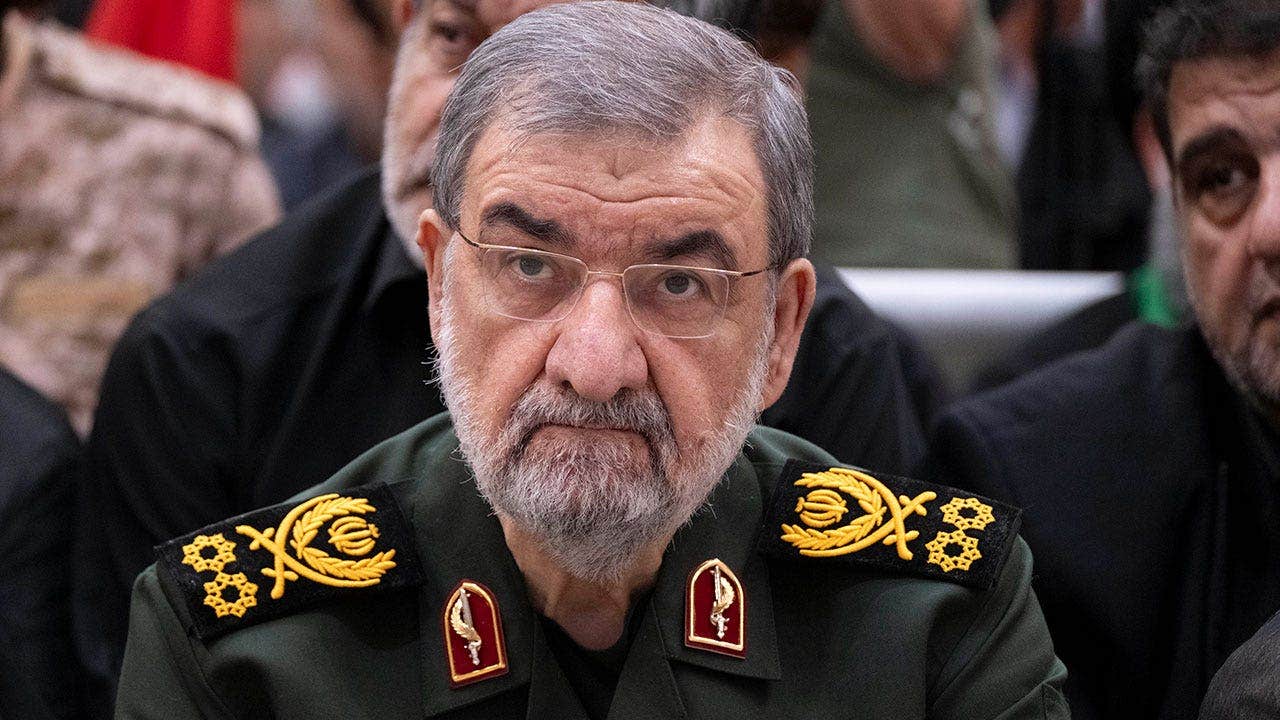
Iran analyst Alex Vatanka warns that Washington risks misinterpreting the recent prominence of Mohsen Rezaei as a sign of a willingness to make concessions. Rezaei, a former Revolutionary Guards commander, currently serves as the secretary of Iran’s Supreme National Security Council. American intelligence reportedly views him as the primary figure capable of brokering a deal across Tehran’s internal institutions, leading US Vice President JD Vance to send him a letter. However, Vatanka argues that Rezaei's rise is driven by a leadership vacuum and a network of IRGC loyalists rather than public legitimacy, noting he previously lost four presidential bids. The analyst highlights Rezaei’s lack of flexibility, specifically noting his recent statement to Al Mayadeen that not "a single speck" of enriched uranium will leave the country because it is needed for nuclear-powered submarines. This stance directly rejects a core US demand. Rezaei's appointment was ultimately a result of hardline frustration among those close to Supreme Leader Mojtaba Khamen.