That is 0 articles you have read today.
The Aporia is free and carries no advertising, so readers are the only
thing paying for it. If you are getting this much out of it, a small
donation is what keeps it independent.
Daily limit reached
You have read 0 articles today.
That is more than the 15 a day The Aporia gives away,
and well past what it can carry on nothing. Your allowance resets at
midnight.
There is no advertising here and nothing about you is sold, so readers
are the only thing paying for it. If the site is worth this much of
your day, it is worth a few dollars.
Everything else stays open: the
maps, the
directory and
search do
not count against this, and neither does re-opening something you have
already read today.
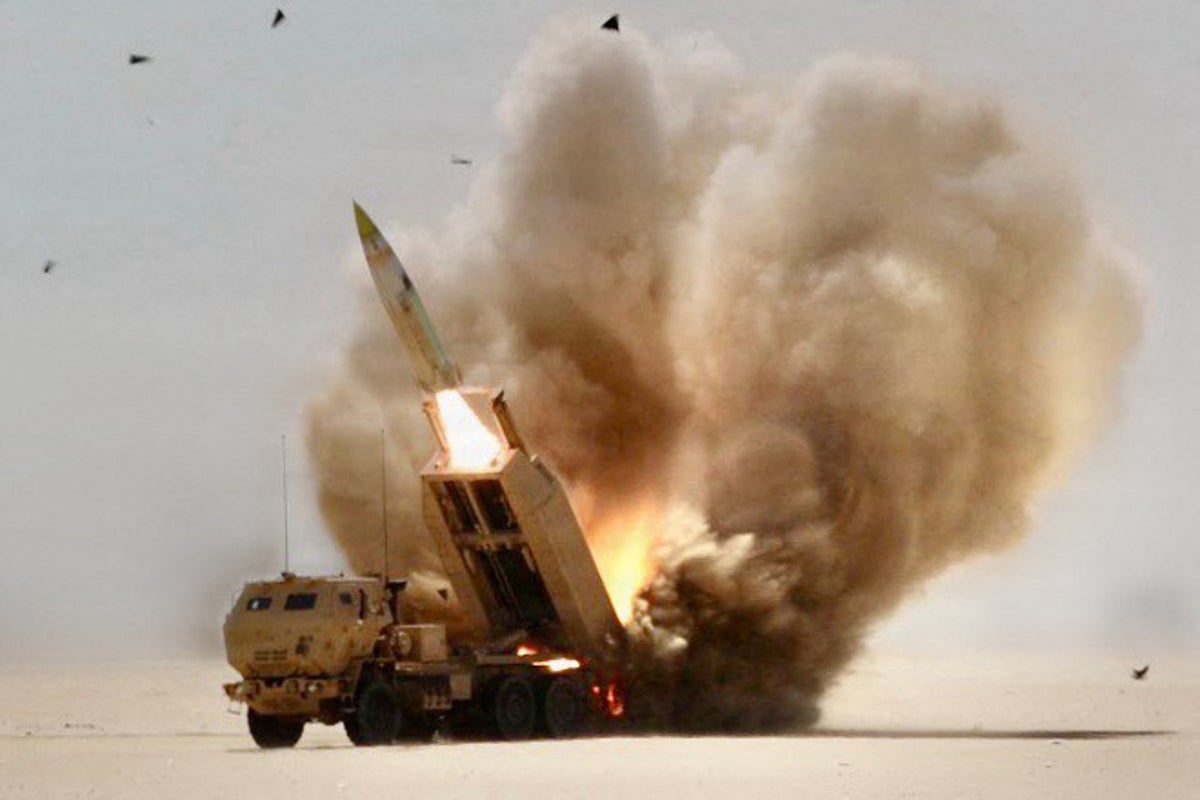
The Trump administration is considering a $2.8 billion arms deal with Israel that includes 40,000 bombs—20,000 MK 84 and 20,000 BLU-117 models. This information was shared by an unnamed congressman on the House Armed Services Committee to JNS. The sale has not been finalized but some Democrats have already voiced opposition, with Rep. Pramila Jayapal stating it is “beyond acceptable.” Experts like John Spencer argue that these weapons are necessary for destroying fortified structures and underground military bunkers used by groups like Hamas and Hezbollah.
Written by the local model on 2026-09-17,
using this article's own text rather than the other coverage of the
same event (that is the story summary below).
Story summary
The Trump administration plans to sell $2.8 billion worth of munitions to Israel, including 40,000 highly destructive bombs such as MK-84 and BLU-117. The sale includes 20,000 MK-84s, 20,000 BLU-117s, and 20,000 I-2000 penetrator warheads. This proposed deal was informally communicated to congressional committees for review but faces opposition from some Democrats like Rep. Gregory Meeks, who argues that the bombs may not be used in accordance with international law. The Leahy laws bar US assistance to foreign military units linked to abuse or killings; however, the State Department had already flagged five Israeli units before the war in Gaza began. Critics also note declining US public support for Israel since the 2023 Gaza conflict, particularly among Democrats.
Written for “US Arms Sale To Israel” on 2026-09-17,
grounded in this article and the 4 other(s) covering the same event.
Why this leaning score
The model judged this article politically coded and scored it +0.35, but every quote it verified points left, so the score is not published.
Written under an earlier scoring contract, which gave a paragraph
rather than checkable quotes. Re-analysing this article replaces it.
Leaning score withheld for article 14432: score contradicts its own evidence · logged 2026-09-17
The Trump administration is planning a $2.8 billion munitions sale to Israel, including 20,000 MK 84 bombs and 20,000 BLU-117 2,000-pound bombs, a congressman who is part of the House Armed Services Committee told JNS.
asserted
who → plan → JNS
The administration has reportedly told congressional committees that review major US arms sales about the proposal informally.
uncertain
that → tell → proposal
The congressman spoke to JNS on background.
asserted
congressman → speak → background
The sale has yet to be finalized.
asserted
sale → have → ?
Some Democrats have said they would block the sale.
asserted
they → say → sale
Rep. Pramila Jayapal (D-Wash.) called it “beyond acceptable” and said that “US weapons are being used to perpetrate a genocide.”
asserted
weapons → call → genocide
John Spencer, an expert on urban warfare, wrote that “vilifying a single type of munitions like a 2,000-pound bomb and not the purpose/details of the specific use of any weapon is wrong and dangerous.”
asserted
vilifying → write → weapon
“The primary purpose of 2,000-pound munitions, including general purpose bombs like the MK-84 and BLU-117, satellite-guided units like the GBU-31and specialized penetrator warheads like the I-2000, is to destroy heavily fortified structures, reinforced concrete buildings, deeply buried tunnel networks and underground military bunkers,” Spencer stated.
asserted
Spencer → include → structures
Hamas, Hezbollah, the Houthis and Iran all rely heavily on deep, subterranean defense networks such as the Gaza tunnel system, bunkers in southern Lebanon, mountain missile silos in Yemen and buried nuclear, missile, command facilities in Iran,” he added.
asserted
he → rely → Iran
“Conducting operations against them requires heavy, large-diameter, penetrating munitions.”
asserted
Conducting → conduct → munitions
 The Aporia