
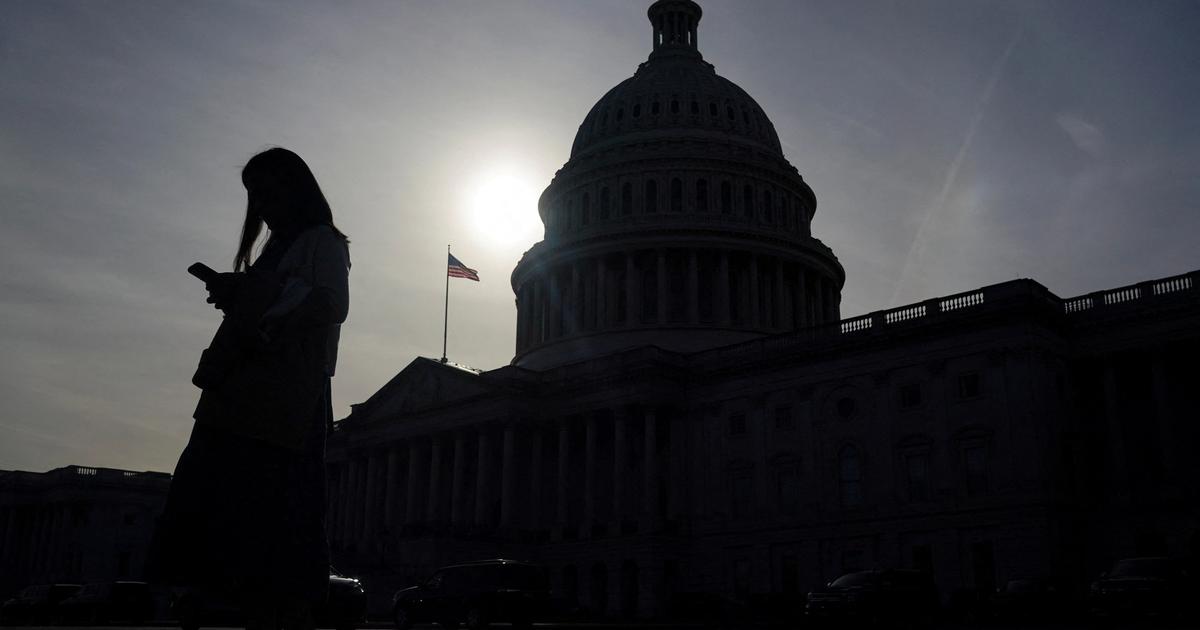
Photo via Semafor

More renewables and Hormuz disruption drive emissions fall

Read the original at Semafor ↗
Cite

Farand, C. (2026, November 10). More renewables and Hormuz disruption drive emissions fall. Semafor. https://www.semafor.com/article/11/10/2026/more-renewables-and-hormuz-disruption-drive-emissions-fall

Dated from the outlet's own feed. Check the original for its byline.

Semafor · collected 2026-11-10 · by Chloé Farand

Quick Summary

Global fossil fuel emissions are forecasted to decrease by 0.4% in 2026, largely due to increased renewable energy production and disruptions caused by the Iran war affecting oil supplies through the Strait of Hormuz. However, the decline is not considered sustainable according to a study published in Nature, which emphasizes that oil emissions might only be temporarily reduced by 1.9%. The increase in deforestation-related carbon emissions will cause an overall global rise of about 1% this year, putting pressure on the remaining carbon budget needed to limit temperature increases to 1.5℃ within four years.
Written by AI on 2026-11-10, from this article's own text only (the story summary below draws on all the coverage).

AI analysis

Story summary

Global fossil fuel emissions are projected to decrease by 0.4% in 2026, according to a new report from the Global Carbon Project. This decline is primarily due to the expansion of renewable energy and an oil price shock triggered by the Iran war, rather than sustained efforts to combat climate change. China, which accounts for nearly one-third of global fossil fuel pollution, is expected to cut emissions by 0.9% this year while continuing its large-scale rollout of renewable energy. However, scientists caution that geopolitical shocks are not a sustainable solution for addressing climate change, and the world remains on track to reach 1.5 degrees Celsius of warming within four years. The decrease in emissions comes as leaders from around the globe convene at climate talks in Antalya, Turkey, where discussions will focus on accelerating the electrification of the global economy.

Written for “Fossil Fuel Emissions Fall Due to Iran War” on 2026-11-10, grounded in this article and the 8 other(s) covering the same event.
Why this leaning score
The model judged this article politically coded and scored it -0.30, but all 1 of its quote(s) are attributed speech - words the article quotes from someone, not the article's own narration, so the score is not published.
Written under an earlier scoring contract, which gave a paragraph rather than checkable quotes. Re-analysing this article replaces it.
Leaning score withheld for article 141713: attributed speech only · logged 2026-11-10

Story

Fossil Fuel Emissions Fall Due to Iran War
Environment · 9 article(s) covering the same event. Compare every outlet's account →

Compared with similar articles

This article reads unscored and hedges 17% of its claims. Each row says how that neighbour differs.
Dawn
Leans left Hedges 1 of 21 claims Outlet record 72/100
How this article was measured signals, leaning charts, publisher record, byline, topics and claims

Signals How these are calculated →

Claims extracted
6
sentences that state something as happening or true
Uncertain
17%
1 of 6 hedged ("reportedly", "may", "according to")
Leaning
withheld
no quote in the article backed the model's score
Publisher signals
68/100
Semafor's corrections and hedging, across everything collected from it. Not a measure of accuracy.
Outlets on this story
9
Environment
Same framing elsewhere
1
articles that frame the event the way this one does
Analyzed 2026-11-10 · how these are computed

How this is being covered How these are calculated →

Article leaning vs. publisher reliability
Source leaning vs. consistency

Publisher

Semafor · 1638 article(s) · 4 correction(s) detected
Running correction rate · 4 correction(s)

Who wrote this

Chloé Farand
2 article(s) here · 1 carrying a prediction
But Democrats and environmental groups remain divided over the long-awaited bill, which would overhaul major environmental laws to streamline the permitting process for building power projects, AI data centers, and distribution grids.
Global fossil fuel emissions are projected to fall by 0.4% in 2026, driven by the rapid expansion of solar and wind power and the energy supply shock caused by the Iran war, according to research by the Global Carbon Project.
Also by Chloé Farand
Nothing else under this byline is closely related to this article, so these are simply their most recent.

Topics

Exeter University GCP Nature the Global Carbon Project the Iran war

Subjects

Exeter University ORG · 1× GCP ORG · 1× Nature ORG · 1× Pierre Friedlingstein PERSON · 1× the Global Carbon Project ORG · 1×

Narrative

“A reduction driven partly by geopolitical shocks is not a sustainable climate solution,” said Pierre Friedlingstein, an Exeter University professor who led the GCP study and was a co-author of the Nature paper.
framing: assertive · carried by 1 article(s) · first seen 2026-11-10
Global fossil fuel emissions are projected to fall by 0.4% in 2026, driven by the rapid expansion of solar and wind power and the energy supply shock caused by the Iran war, according to research by the Global Carbon Project.
2026-11-10 · Semafor
More renewables and Hormuz disruption drive emissions fall · assertive framing

Claims (6 extracted, 1 hedged)

Global fossil fuel emissions are projected to fall by 0.4% in 2026, driven by the rapid expansion of solar and wind power and the energy supply shock caused by the Iran war, according to research by the Global Carbon Project. uncertain
emissions → project → Project
But the decline is not yet fast enough to be durable, an accompanying study published in the journal Nature found. asserted
study → accompany → journal
Emissions from oil are expected to decrease by 1.9%, which is likely a short-term response to the closure of the Strait of Hormuz. asserted
which → expect → Hormuz
“A reduction driven partly by geopolitical shocks is not a sustainable climate solution,” said Pierre Friedlingstein, an Exeter University professor who led the GCP study and was a co-author of the Nature paper. asserted
who → drive → paper
Total carbon emissions are set to rise around 1% this year, as emissions from deforestation and land-use change are projected to increase for the first time in a decade. asserted
emissions → set → decade
At the current rate, the world will deplete its remaining carbon budget aimed at keeping global temperature rises to 1.5℃ in fewer than four years. asserted
world → deplete → years
Give feedback · no sign-in needed

No sign-in needed for now. Your note is sent without a name, so it cannot be answered.

History Support