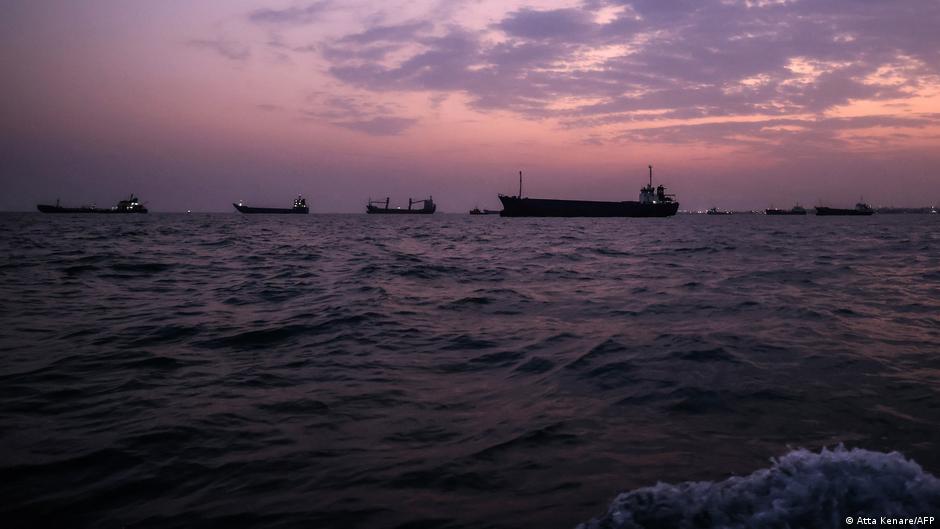
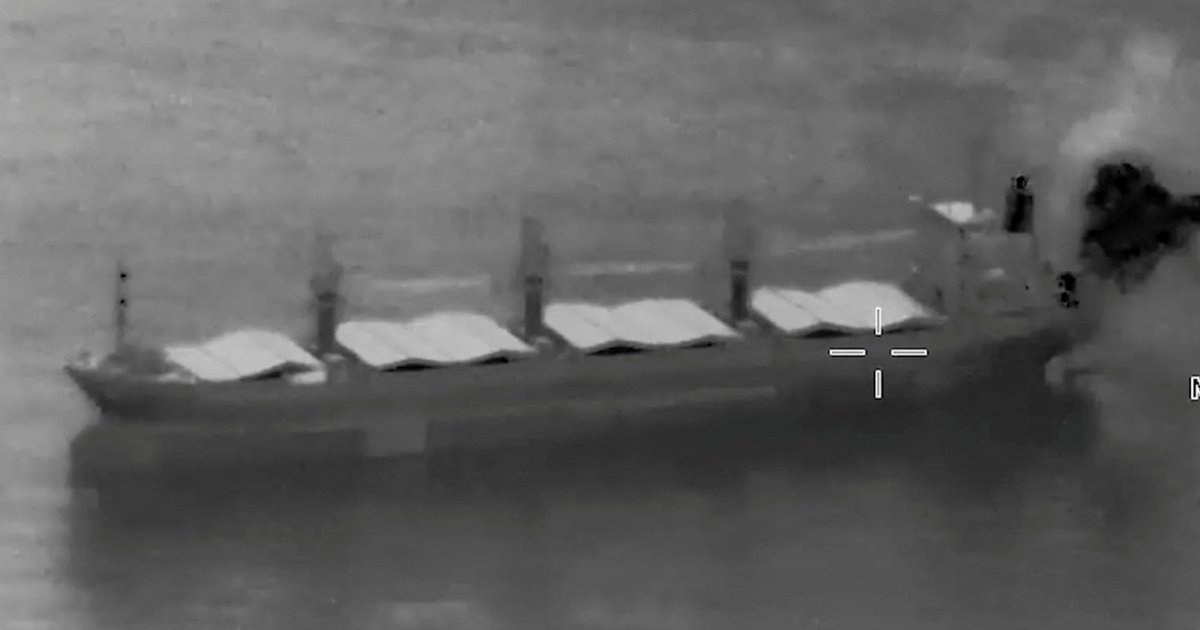
Since the Iran war started, attacks on commercial ships in the Strait of Hormuz have put crews at risk of death and injury, forcing shipping companies to choose whether to attempt the passage or delay cargoes and face higher costs.
asserted
attacks → start → costs
Merchant vessels continue to use the strait despite the danger, but how long that can continue depends partly on Iran's ability to sustain its attacks and the United States' capacity to protect shipping and bear the cost.
asserted
that → continue → cost
Ali Mohammadi, an expert in Iranian affairs based in France, believes Iran's geography and the equipment it uses allow it to keep attacking ships.
asserted
it → base → ships
But he sees the economic burden of the war as Tehran's main constraint.
asserted
he → see → constraint
"Iran's limitation in the Strait of Hormuz is economic rather than military, because continuing the war has a significant impact on its economy," he said.
asserted
he → continue → economy
It's unclear how long Iran can sustain attacks given the lack of reliable information on the nation's weapons stocks and its ability to replenish supplies.
uncertain
Iran → sustain → supplies
And sporadic attacks in the crucial waterway are also different from closing the strait completely.
asserted
attacks → close → strait
"Even if a complete closure of the Strait of Hormuz were possible, it would not be sustainable because it could carry high political costs for Iran," Mohammadi told DW.
uncertain
Mohammadi → carry → DW
"Iran cannot indefinitely disrupt its allies' access to the strait.
asserted
Iran → disrupt → strait
"
By threatening shipping, Iran can raise the cost of confrontation and seek leverage in negotiations but that may not guarantee success or yield concessions, the expert said.
uncertain
expert → threaten → concessions
More crossings, but traffic remains depressed
asserted
traffic → remain → crossings
Data from the UK Maritime Trade Operations Center's (UKMTO) weekly report, released on November 6, show 325 reported transits through Hormuz between October 29 and November 4.
asserted
Data → release → October
It's still roughly 65% below pre-war levels, the UKMTO assessed.
asserted
UKMTO → assess → levels
But vessel numbers alone cannot explain what is happening to energy supplies as cargo volumes and the routes used also matter, said Dalga Khatinoglu, an expert on Iran's energy and macroeconomics.
asserted
Khatinoglu → explain → energy
"If we look only at crude oil, Middle Eastern exports across all routes, from the Gulf of Oman and the Strait of Hormuz to the Red Sea, have largely recovered to pre-war levels," he told DW.
asserted
he → look → DW
"In some weeks in September and October, they even exceeded those levels."
asserted
they → exceed → levels
His assessment covers the region's overall crude exports across all routes, not just shipments passing through the Strait of Hormuz.
asserted
assessment → cover → Hormuz
The picture for refined petroleum products is different, Khatinoglu said.
asserted
Khatinoglu → say → products
"Before the war, the Middle East exported about 6.2 million barrels of petroleum products a day.
asserted
East → export → products
That figure has now roughly halved."
asserted
figure → halve → ?
Liquefied natural gas (LNG) exports have also suffered.
asserted
exports → suffer → ?
Although there has been some improvement, they remain severely disrupted," the expert underscored.
asserted
expert → remain → ?
The cost of getting through spikes
Khatinoglu said recovering energy exports have not eliminated the costs associated with ongoing insecurity.
asserted
recovering → get → insecurity
"Although oil exports from Middle Eastern countries have approached pre-war levels, shipping and insurance costs have remained very high," he stressed.
asserted
he → approach → levels
Citing recent figures from the Organization of the Petroleum Exporting Countries (OPEC), he said that average freight rates for a large tanker carrying crude from the Middle East to East Asia has risen about 12 times, from $3.18 (€2,84) per barrel at the beginning of the year to $37.13 a barrel at the end of October.
asserted
rates → cite → October
This means elevated costs for Asian importers even when crude is available.
asserted
crude → mean → importers
Reducing costs and restoring commercial confidence in the safety of the strait requires more than a US military presence, Mohammadi said.
asserted
Mohammadi → reduce → presence
"There is only one solution to the Strait of Hormuz issue and that's an end to the war, accompanied by a lasting agreement that brings lasting security," he said.
asserted
he → be → security
Khatinoglu shared a similar view.
asserted
Khatinoglu → share → view
"You cannot expect oil prices to return to pre-war levels simply by relying on US protection for ships in the Strait of Hormuz," he said.
asserted
he → expect → Hormuz
 The Aporia