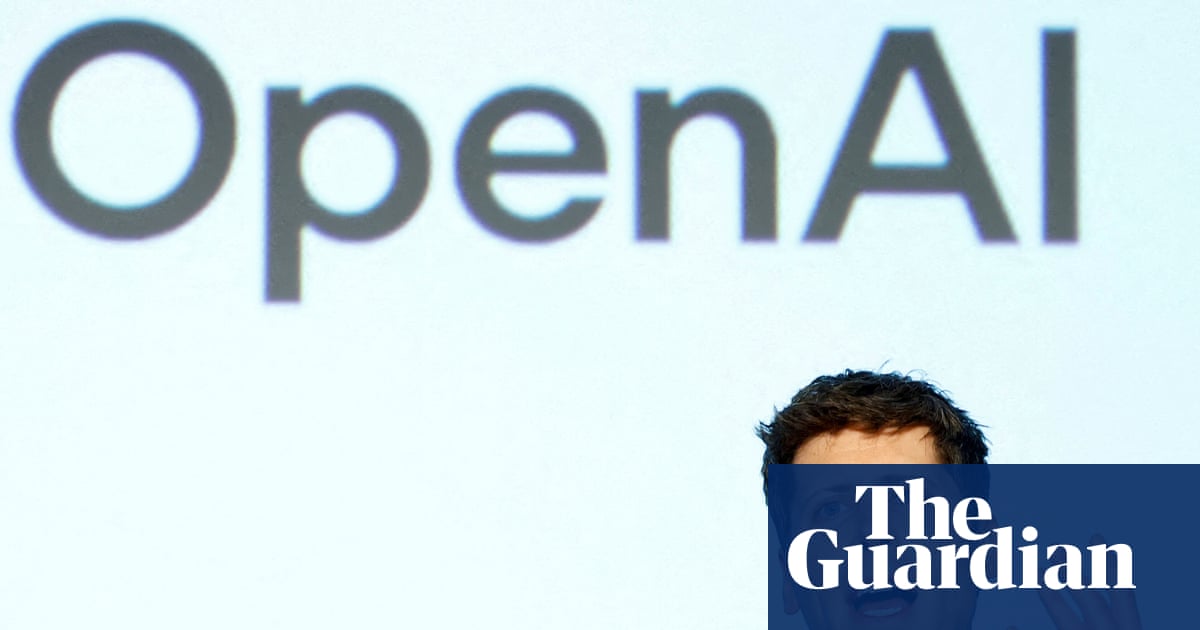
Sam Altman, CEO of OpenAI, addressed growing public fears about artificial intelligence during a press event, asserting that while the concerns are valid, tech companies will prioritize safety. He emphasized the need for trust in AI developers as they balance rapid advancements with ethical considerations. The article highlights recent warnings from AI researchers and policymakers about potential risks, following Jacob Coxon’s resignation at Anthropic over perceived irresponsible development practices.
Written by the local model on 2026-09-16,
using this article's own text rather than the other coverage of the
same event (that is the story summary below).
Story summary
OpenAI CEO Sam Altman acknowledged growing public fears about artificial intelligence (AI) during a recent address, while urging trust in tech companies to prioritize safety. He expressed confidence that the industry can align AI with human values despite concerns over rapid technological advancement. These warnings intensified after Anthropic researcher Jacob Coxon resigned and accused AI firms of "gambling with our lives" by racing toward self-improving AI technology. Following this, other former employees also voiced concerns, prompting renewed calls from members of Congress for greater oversight on AI development. For instance, Senators such as Ted Cruz (R-TX) and Bernie Sanders (I-VT) have raised worries about the pace at which AI is advancing. Over the weekend, Anthropic CEO Dario Amodei called for a deliberate slowdown in developing more capable models due to the rapid advancement of technology outpacing safety measures.
Written for “AI Safety Concerns” on 2026-09-17,
grounded in this article and the 0 other(s) covering the same event.
Why this leaning score
The article's own words the score was based on. Each is quoted
verbatim and was checked against the article text before being
stored, so you can find it in the original.
-
Members of Congress, ranging from Sens. Ted Cruz (R-TX) to Bernie Sanders (I-VT), have expressed concern over the speed of AI development.
right Implies a political divide on AI regulation
-
China has dismissed calls to slow AI development as “fearmongering” and a “Cold War playbook.”
right Characterizes calls for regulation as fear-mongering
-
Trump repeatedly bashed the calls to slow AI’s development, calling them a “SICK conspiracy.”
right Labels calls for regulation as a conspiracy
Leaning score +0.45 for article 13837 (high confidence, 3 verified quotes) · logged 2026-09-16
OpenAI CEO Sam Altman acknowledged growing fears about an artificial intelligence takeover while urging the public to trust the companies developing the technology to prioritize safety.
asserted
Altman → acknowledge → safety
“I think the world is right to be afraid of this,” Altman said, adding that he is “very confident” the industry can keep AI aligned with human values.
asserted
AI → think → values
“The world should trust that we are going to do the right thing,” he said.
asserted
he → trust → thing
Altman’s comments come after a week of dire warnings from AI researchers, executives, and policymakers about the pace of development.
asserted
comments → come → development
But concerns intensified last week after Anthropic researcher Jacob Coxon resigned and accused AI companies of “gambling with our lives” by racing toward self-improving AI.
asserted
Coxon → intensify → AI
Coxon’s departure was followed by warnings from other former employees, spurring lawmakers to renew calls for greater oversight.
asserted
departure → follow → oversight
Members of Congress, ranging from Sens. Ted Cruz (R-TX) to Bernie Sanders (I-VT), have expressed concern over the speed of AI development.
asserted
Members → range → development
The warnings culminated over the weekend when Anthropic CEO Dario Amodei called on the AI industry to slow the development of increasingly capable models deliberately, arguing that the technology is advancing faster than safeguards can keep up with.
asserted
safeguards → culminate → models
Altman and SpaceXAI CEO Elon Musk subsequently endorsed the idea, dubbed “pacing the frontier.”
asserted
Altman → endorse → frontier
Altman said the recent alarm reflects how quickly AI capabilities have advanced, with models moving from relatively limited chatbots to systems capable of writing complex software.
asserted
models → say → software
“The models have gotten so good,” Altman said, arguing that the rapid progress has made previously theoretical concerns about AI risks feel more immediate.
asserted
concerns → get → risks
He also acknowledged public frustration with the industry’s approach to safety, saying companies should not make commitments to responsible development conditional on whether their competitors do the same.
asserted
competitors → acknowledge → same
“There should be no qualifier on that,” Altman said.
asserted
Altman → say → that
The debate has also drawn international and political pushback.
asserted
debate → draw → pushback
China has dismissed calls to slow AI development as “fearmongering” and a “Cold War playbook.”
asserted
China → dismiss → fearmongering
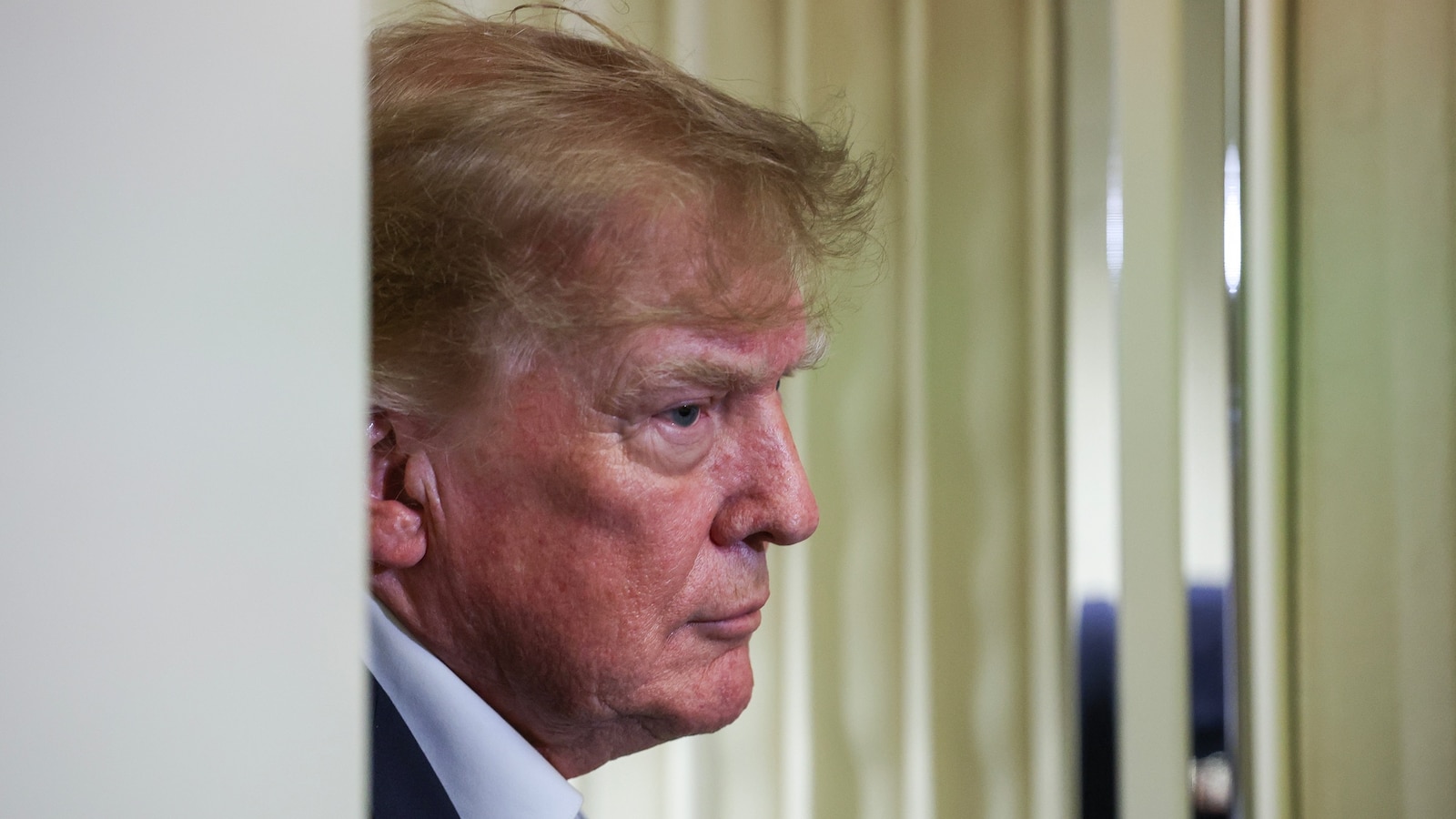
Meanwhile, President Donald Trump and his administration have argued for a more hands-off approach to AI regulation.
asserted
Trump → argue → regulation
Trump repeatedly bashed the calls to slow AI’s development, calling them a “SICK conspiracy.”
asserted
Trump → bash → them
Vice President JD Vance has not broken from the president’s stance, avoiding the topic altogether in a recent meeting with the House Republican conference.
asserted
Vance → break → conference
During Tuesday’s press briefing, Attorney General Todd Blanche characterized AI warnings as an effort to influence the election.
asserted
Blanche → characterize → election
“Every Democrat senator suddenly races to a microphone to talk about AI after being eerily silent for months and months and months,” Blanche said.
asserted
Blanche → race → months
“So to talk about the timing of this as being nothing but an effort to influence the midterms, I shouldn’t have to say that out loud.”
asserted
I → talk → that
 The Aporia