My fiancé works at Anthropic.
asserted
fiancé → work → Anthropic
Lately, the only important question about a new large language model has been whether the Trump administration would allow anyone to use it.
asserted
anyone → allow → it
On Thursday, though, not one but two notable models became available for use: GPT-5.6, from OpenAI, and Muse Spark 1.1 from Meta.
asserted
models → become → Meta
As always, the worst day to evaluate new models is the day they come out.
asserted
they → evaluate → models
Still, there was plenty of news and relevant commentary surrounding both releases, and it’s worth checking in on both companies as their strategies and products evolve.
asserted
strategies → be → companies
Start with OpenAI, which earlier in the week released an impressive new voice model alongside possibly the best ad it has done to date.
uncertain
it → start → date
After some testing, M.G. Siegler says the latest model is good enough that “we're now fully on the cusp of a true shift in computing” where voice becomes a primary method of input.
asserted
voice → say → input
, he writes, that’s good for OpenAI’s hardware ambitions: “These new GPT-Live capabilities seem like they're going to unlock the space to the point where new devices may now be not just possible, but inevitable.
uncertain
devices → write → point
It turned out that GPT-Live was merely the prelude to a larger set of announcements today.
asserted
Live → turn → announcements
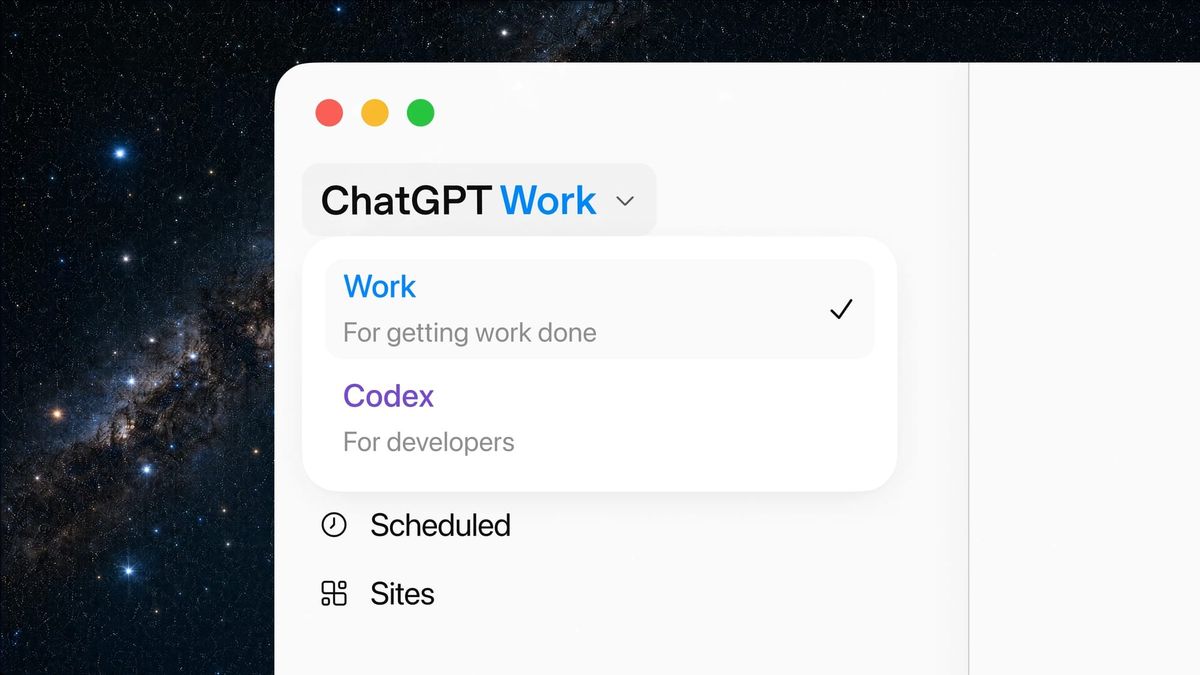
The company (confusingly) merged Codex into the desktop app, introduced the ChatGPT Work agent, and retired its Atlas browser.
asserted
company → merge → browser
Most importantly, the company released GPT-5.6 in three versions that correspond roughly to “good,” “better,” and “best”: Luna, Terra, and Sol.
asserted
that → release → good
In its blog post, OpenAI notes benchmarks where Sol outperformed Anthropic’s industry-leading Claude Fable model, including Agents’ Last Exam and the Artificial Analysis Coding Agent Index.
asserted
Sol → note → Exam
People who got early access were generally enthusiastic.
asserted
who → get → access
Every’s Katie Parrott called GPT-5.6 “our favorite model to collaborate with,” though “Fable still gets the assignments we want to hand off completely.”
asserted
we → call → assignments
On the whole, though, she said the model represents “a serious step change in model capability for day-to-day knowledge work.
asserted
model → say → work
It’s fast enough to keep up with you, resourceful enough to find the context it needs to do good work, persistent when the first approach fails, and responsive when you change direction.”
asserted
you → ’ → direction
Box CEO Aaron Levie was similarly enthusiastic, writing on X that Sol represents “a big step up from GPT-5.5, especially on complex data-oriented tasks that require deep reasoning and analysis.”
asserted
that → write → reasoning
On the Sol vs. Fable question, opinions varied widely.
asserted
opinions → vary → question
HashiCorp founder and Ghostty creator Mitchell Hashimoto said he would use the models for different things, but expressed a general preference for Sol.
asserted
he → say → Sol
“It is faster, plans/judges just as good as Fable, and I think produces better overall work,” he wrote.
asserted
he → think → work
“I’ll reach for Fable still for highly targeted debug or performance work with clear reward functions.
asserted
I → reach → functions
Meanwhile, Figma CEO Dylan Field discouraged making direct comparisons.
asserted
Field → discourage → comparisons
“This is a mistake,” he wrote.
asserted
he → write → ?
(Sol is “very good,” he added.)
asserted
he → add → ?
To Wharton School professor Ethan Mollick, though, there was at least one comparison that matters: “My big takeaway is that both Sol & Fable represent jumps over previous models and have opened a large gap with the next-best AIs,” he wrote.
asserted
he → be → AIs
“People will have preferences for one or the other, but if you [are] doing any work where better intelligence matters, those two models are your only choices.”
asserted
models → have → work
The broad enthusiasm for GPT-5.6 will likely come as a relief to OpenAI as it weathers another news cycle about instability in its executive ranks.
asserted
it → come → ranks
Fidji Simo, the company’s No. 2 executive, told staff members Thursday that she plans to step down from the company less than a year after joining it as its CEO of applications, the Wall Street Journal reported.
asserted
Journal → tell → applications
Simo said that her chronic illness, postural orthostatic tachycardia syndrome, had worsened.
asserted
illness → say → ?
She will become an adviser to the company.
asserted
She → become → company
Simo joins a list of other high-profile leaders to depart OpenAI this year, including its chief futurist, Joshua Achiam; vice president of research Jerry Tworek; former chief product officer Kevin Weil; recently returned head of enterprise sales Barret Zoph; model behavior lead Joanne Jang; and researcher Max Schwarzer, among others.
asserted
Simo → join → others
 The Aporia