Claims extracted
18
sentences that state something as happening or true
Uncertain
22%
4 of 18 hedged
("reportedly", "may", "according to")
Leaning
Leans strongly right
of the writing, not the subject · beta estimate
Publisher signals
95/100
freebeacon's corrections and
hedging, across everything collected from it. Not a measure of accuracy.
Outlets on this story
55
Politics
Same framing elsewhere
1
articles that frame the event the way this one does
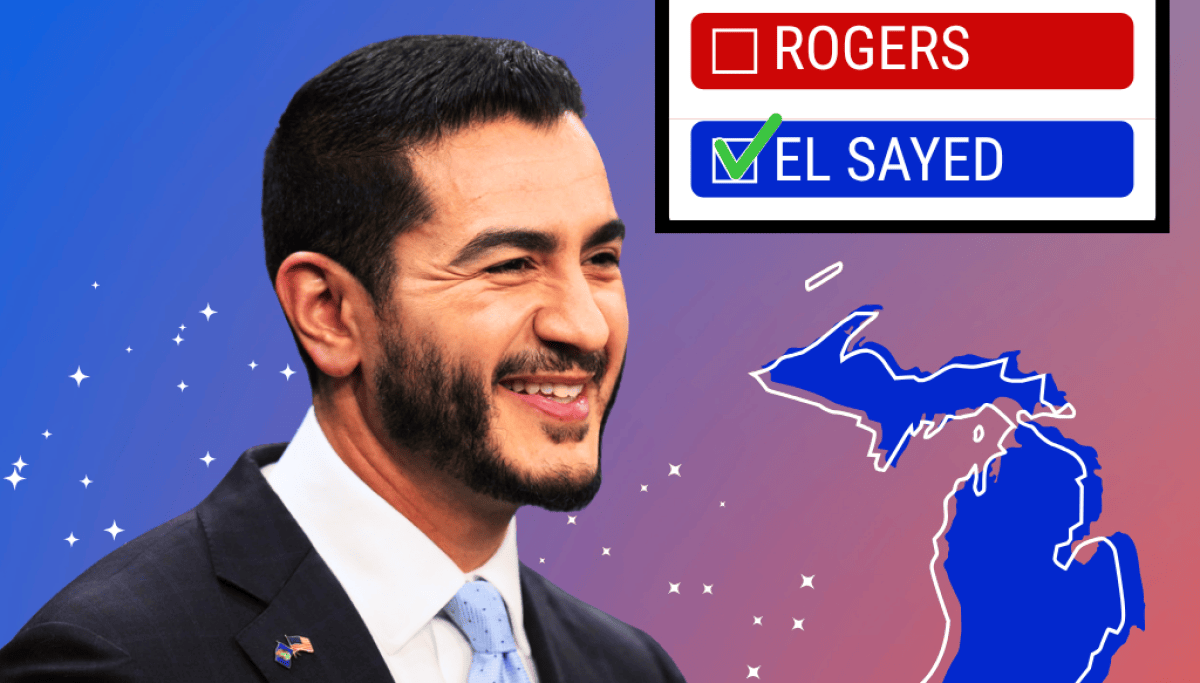
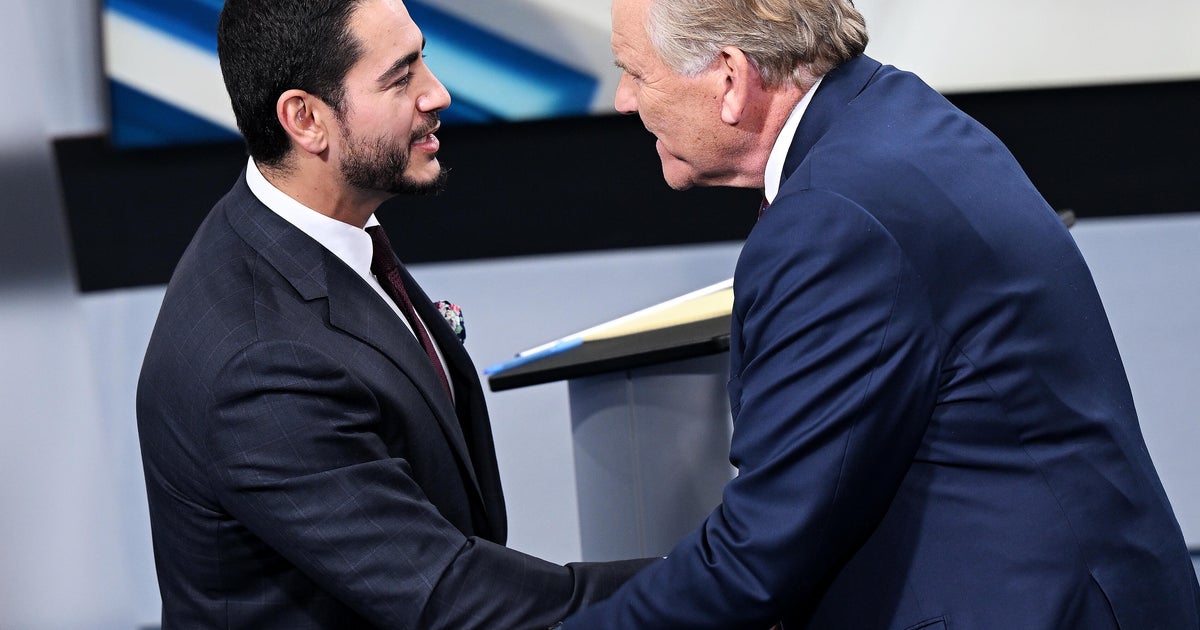
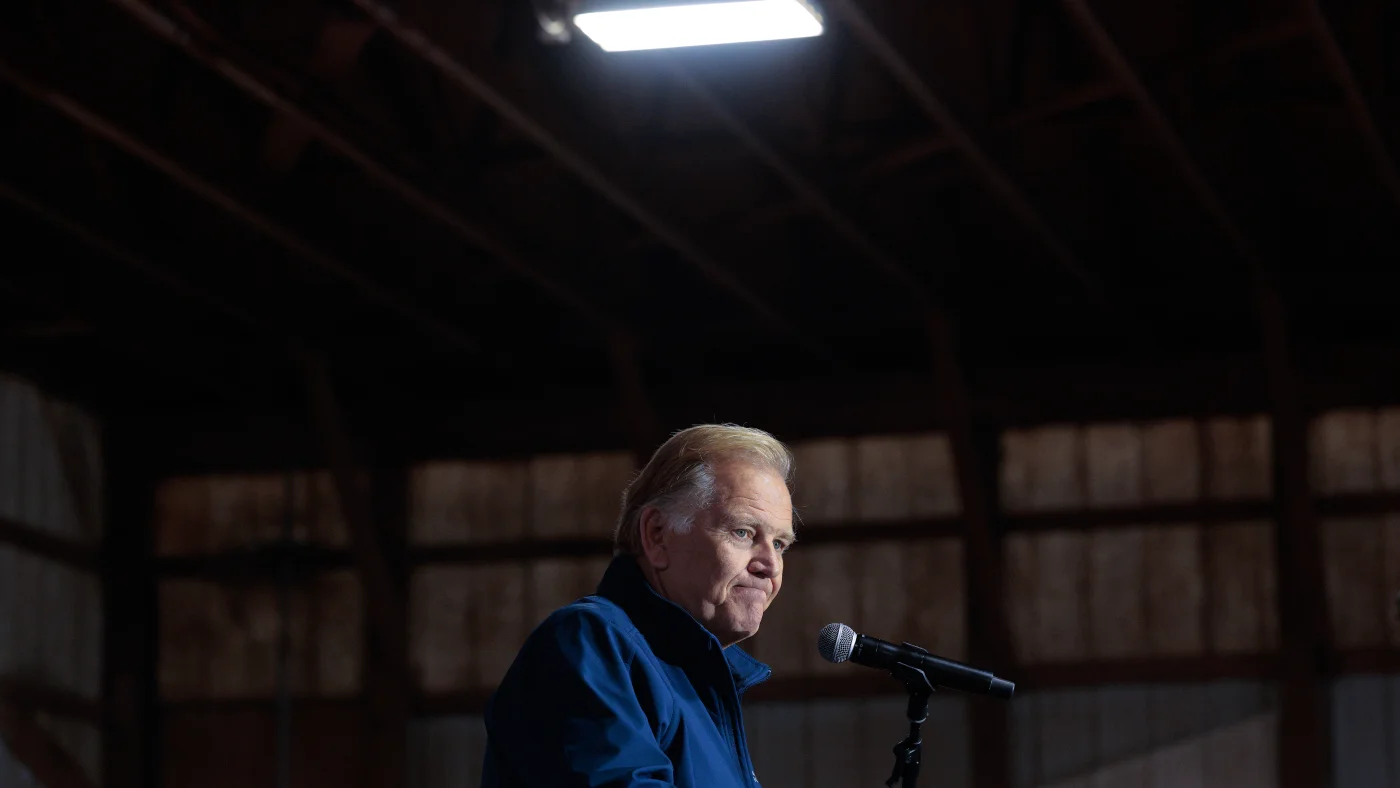
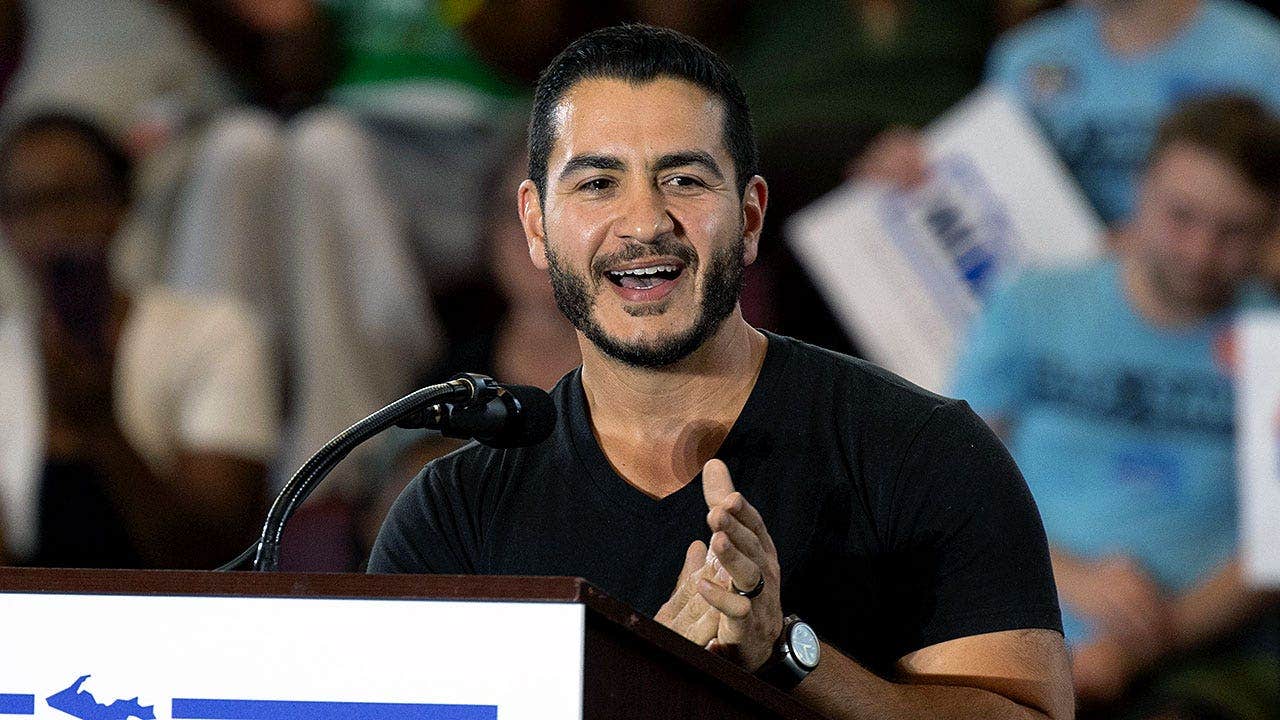
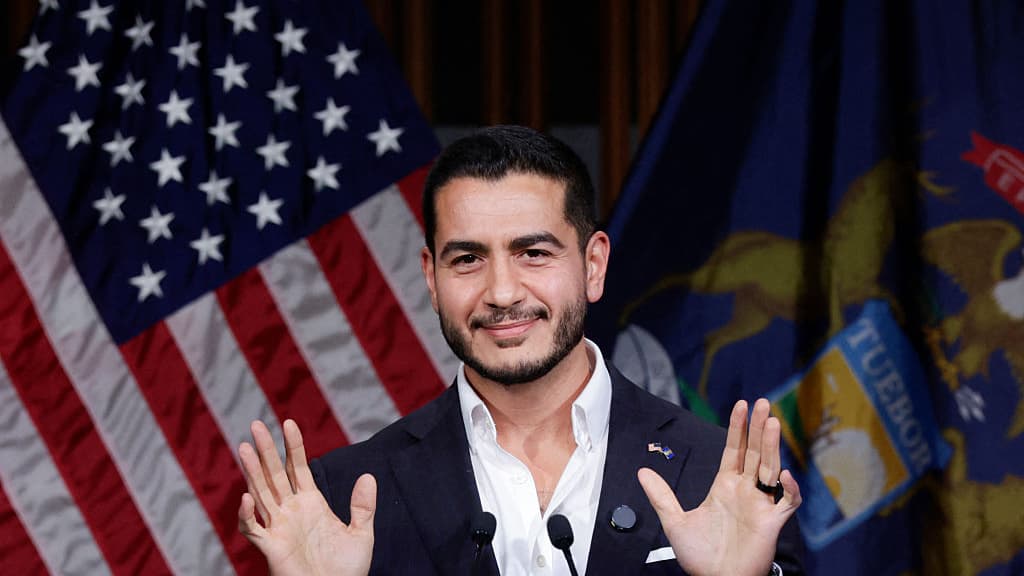
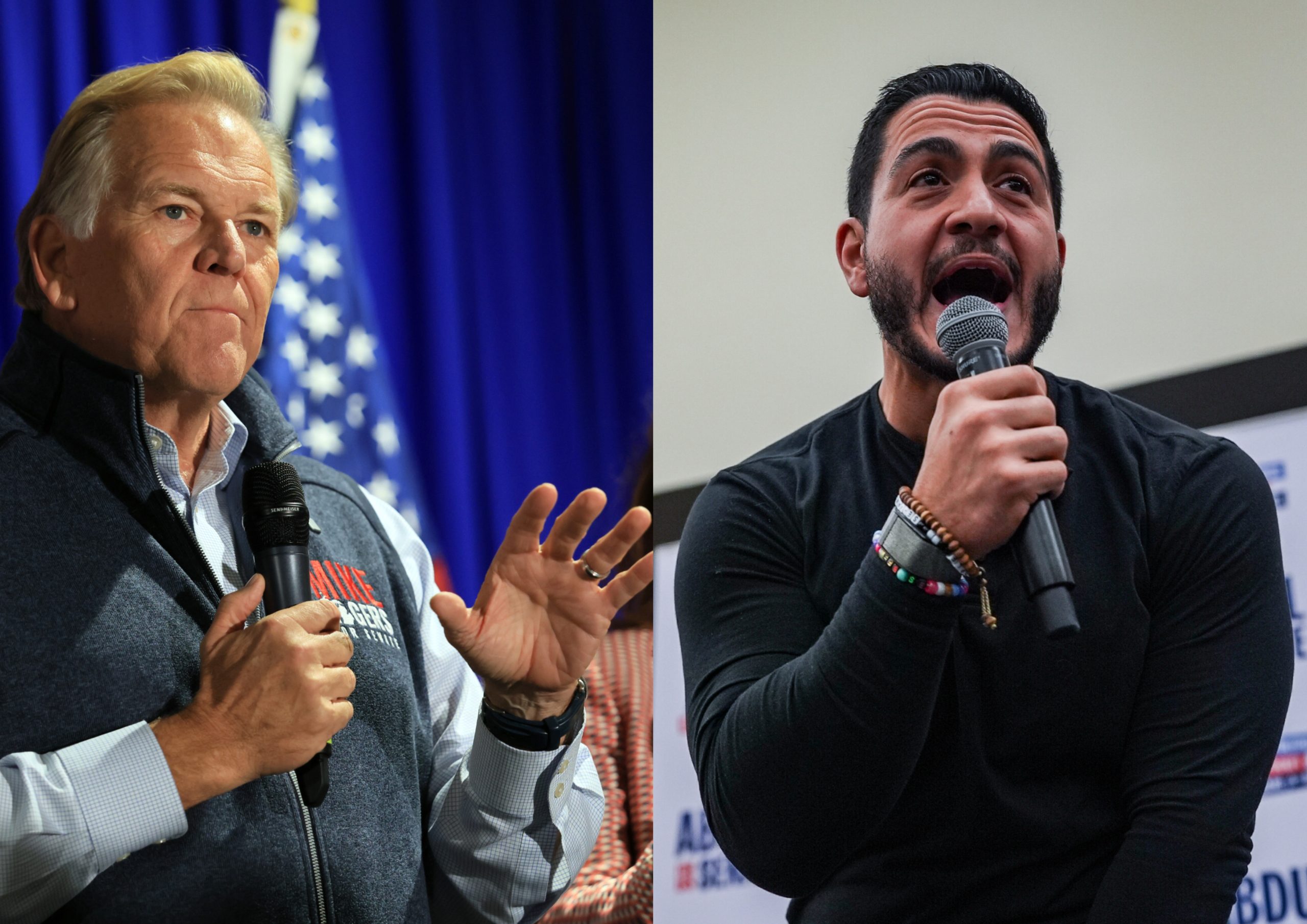
Michigan Democrat Abdul El-Sayed defeated Republican Mike Rogers on Tuesday, becoming the most radical candidate elected to the upper chamber in U.S. history.
asserted
Sayed → defeat → history
El-Sayed bested Rogers after a tumultuous campaign in which he embraced noxiously antisemitic podcasters, clerics, and donors.
asserted
he → best → podcasters
El-Sayed carried 52 percent of the vote to Rogers's 46 percent when the race was called early Wednesday morning.
asserted
race → carry → percent
His win is a major boost to the Democratic Party’s increasingly powerful anti-Israel faction and is likely to give a megaphone to the antisemitic and anti-Israel activists on the far left, for whom El-Sayed is likely to become a leading figure.
asserted
Sayed → give → whom
El-Sayed’s victory caps a turbulent race in which his primary opponent, Democratic congresswoman Haley Stevens, threw her support to Rogers two days before the election.
asserted
opponent → cap → election
Stevens said she objected to El-Sayed’s campaign of "hate" after he refused to condemn a campaign ad produced by supporters of El-Sayed that blamed Israel for the price of groceries and suggested American taxpayers are underwriting the costs of health care in the Jewish state.
uncertain
taxpayers → say → state
"Blaming Israel for the price of eggs and elevating Tucker Carlson are not the way to build trust or bring people together," Stevens said, referring to a second ad in which El-Sayed touted Carlson’s support for his campaign.
asserted
Sayed → blame → campaign
Stevens’s defection drew harsh condemnations from national Democratic leaders, and she was booted from the Michigan Democratic Party.
asserted
she → draw → Party
El-Sayed campaigned on a single-payer Medicare for All health care policy and made opposition to Israel—and its American supporters—a central focus of his campaign, stumping alongside Hasan Piker, a Marxist podcaster who has said "America deserved 9/11," called Jewish people "inbred," and praised Mao Zedong.
asserted
America → campaign → Zedong
During the final days of the election, El-Sayed ran ads touting the support of Carlson, the former Fox News host who has favorably featured Holocaust deniers on his podcast.
asserted
who → run → podcast
Throughout the race, El-Sayed drew criticism for his personal and family connections to the Muslim Brotherhood and other terrorist groups.
asserted
Sayed → draw → Brotherhood
In 2012, the Democrat signed a letter supporting the Muslim Brotherhood government in Egypt.
asserted
Democrat → sign → Egypt
El-Sayed’s mother worked for an American Islamic charity that was designated as a terrorist group for allegedly funding Osama bin Laden.
uncertain
that → work → Laden
His father sits on the board of a charity that was raided by the FBI for allegedly funneling money to Saddam Hussein, the Washington Free Beacon reported last week.
uncertain
Beacon → sit → Hussein
While El-Sayed told NBC News that his family had no connections to the Muslim Brotherhood, his half-sister, Eman Abdelhadi, wrote in unearthed social media posts that her family "has long been" in the Muslim Brotherhood and her mother was an activist with the group while living in Egypt, the Free Beacon reported.
asserted
Beacon → tell → Egypt
El-Sayed’s father-in-law, Jukaku Tayeb, also serves on the board of the Islamic Society of North America Founders Committee, which was an unindicted co-conspirators in the landmark terrorist financing case United States v. Holy Land Foundation for Relief and Development.
asserted
which → serve → Relief
Tayeb was one of the largest donors to a super PAC backing El-Sayed.
asserted
Tayeb → back → Sayed
During his campaign, El-Sayed repeatedly declined to criticize the Iranian regime, arguing instead that Iran and Israel posed an equal threat to the United States
He privately told his communications staffers in March that he wanted to avoid commenting on Iranian supreme leader Ali Khamenei’s assassination, because "there are a lot of people in Dearborn who are sad" about his death, according to audio of the meeting obtained by the Free Beacon.
uncertain
who → decline → Beacon