Photo via Washington Examiner

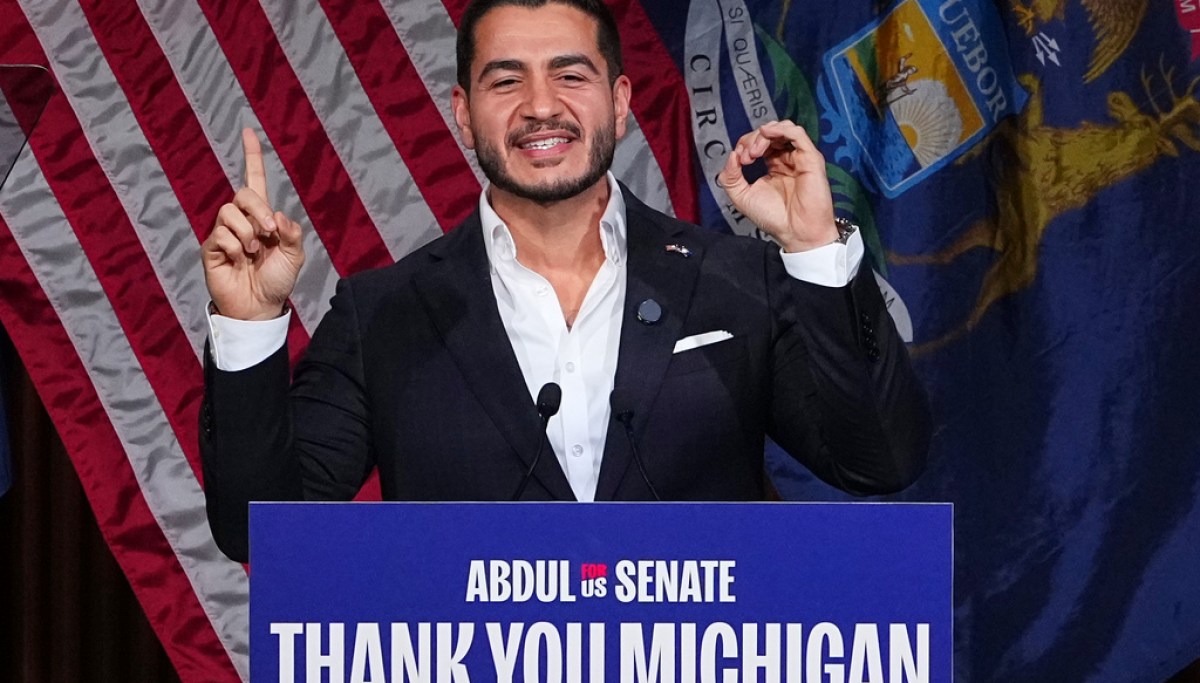
Abdul el Sayed defeats Mike Rogers in Michigan race, poised to become first Muslim senator

Read the original at Washington Examiner ↗
Cite

Chakraborty, B. (2026, November 4). Abdul el Sayed defeats Mike Rogers in Michigan race, poised to become first Muslim senator. Washington Examiner. https://www.washingtonexaminer.com/news/campaigns/congressional/4776140/michigan-senate-race-results-abdul-el-sayed-mike-rogers/

Dated from the outlet's own feed. Check the original for its byline.

Washington Examiner · collected 2026-11-04 · by Barnini Chakraborty

Quick Summary

Abdul el Sayed won Michigan's Senate race against Republican Mike Rogers on Tuesday, securing 51.9% of the vote compared to Rogers' 46.1%. This victory makes el Sayed likely to become the first Muslim U.S. senator. The race was closely watched due to its national implications and Michigan’s history of swinging between parties in recent elections. El Sayed's progressive stances on healthcare and foreign policy, particularly his criticism of Israel, made him a target for Republicans but resonated with some voters, securing Democrats their 54th Senate seat this election cycle.
Written by AI on 2026-11-04, from this article's own text only (the story summary below draws on all the coverage).

AI analysis

Story summary

As of November 4, 2026, Abdul El-Sayed, a Democrat and former public health official, won the U.S. Senate race in Michigan against Republican Mike Rogers. This victory makes El-Sayed the first openly Muslim male senator in U.S. history, despite facing Islamophobic attacks and false allegations during the campaign. The win is seen as a significant test for Democratic Party leadership, especially regarding how they will accommodate progressive insurgents like El-Sayed who have challenged party establishment norms.

Written for “Abdul El-Sayed Wins Michigan Senate Race” on 2026-11-05, grounded in this article and the 47 other(s) covering the same event.

Story

📰 Abdul El-Sayed Wins Michigan Senate Race
Politics · 48 article(s) covering the same event. Compare every outlet's account →

Compared with similar articles

This article reads leans left and hedges 0% of its claims. Each row says how that neighbour differs.
CBS News
⚖️ Leans left Hedges 1 of 18 claims Outlet record 65/100
The Guardian
⚖️ Leans left Hedges 3 of 23 claims Outlet record 66/100
CBC News
⚖️ Leans strongly left further left than this Hedges 5 of 36 claims Outlet record 60/100
New York Post
⚖️ Leans left Hedges 1 of 31 claims Outlet record 66/100
The Hindu
⚖️ Leans strongly left further left than this Hedges 0 of 10 claims Outlet record 77/100
NBC News
⚖️ Leans left Hedges 1 of 33 claims Outlet record 78/100
TIME
⚖️ Leans left Hedges 6 of 67 claims Outlet record 59/100
Dawn
⚖️ Leans left Hedges 1 of 26 claims Outlet record 72/100
BBC News
⚖️ Leans left Hedges 1 of 36 claims Outlet record 66/100
NPR
⚖️ Leans left Hedges 2 of 17 claims Outlet record 60/100
How this article was measured signals, leaning charts, publisher record, byline, topics and claims

Signals How these are calculated →

Claims extracted
27
sentences that state something as happening or true
Uncertain
0%
0 of 27 hedged ("reportedly", "may", "according to")
Leaning
Leans left
of the writing, not the subject · beta estimate
Publisher signals
69/100
Washington Examiner's corrections and hedging, across everything collected from it. Not a measure of accuracy.
Outlets on this story
48
Politics
Same framing elsewhere
1
articles that frame the event the way this one does
Analyzed 2026-11-04 · how these are computed

How this is being covered How these are calculated →

Article leaning vs. publisher reliability
Source leaning vs. consistency

Publisher

Washington Examiner · 4271 article(s) · 8 correction(s) detected
Running correction rate · 8 correction(s)

Who wrote this

Barnini Chakraborty
34 article(s) here · 1 carrying a prediction
🔮 Sen.-elect Abdul el Sayed’s (D-MI) victory in Michigan will test whether Democrats can accommodate a progressive insurgent who has repeatedly challenged the party establishment or whether his combative style will make him a headache for current Senate Minority Leader Chuck Schumer (D-NY).
🔮 Rogers argued that el Sayed’s single-payer proposal would cost trillions of dollars and limit patients’ choices.
🔮 Recommended Stories Luria, a Navy veteran who served in Congress from 2019 to 2023, will return to Washington after making her work on the House committee investigating the Jan. 6, 2021, attack on the Capitol a defining part of her political profile.
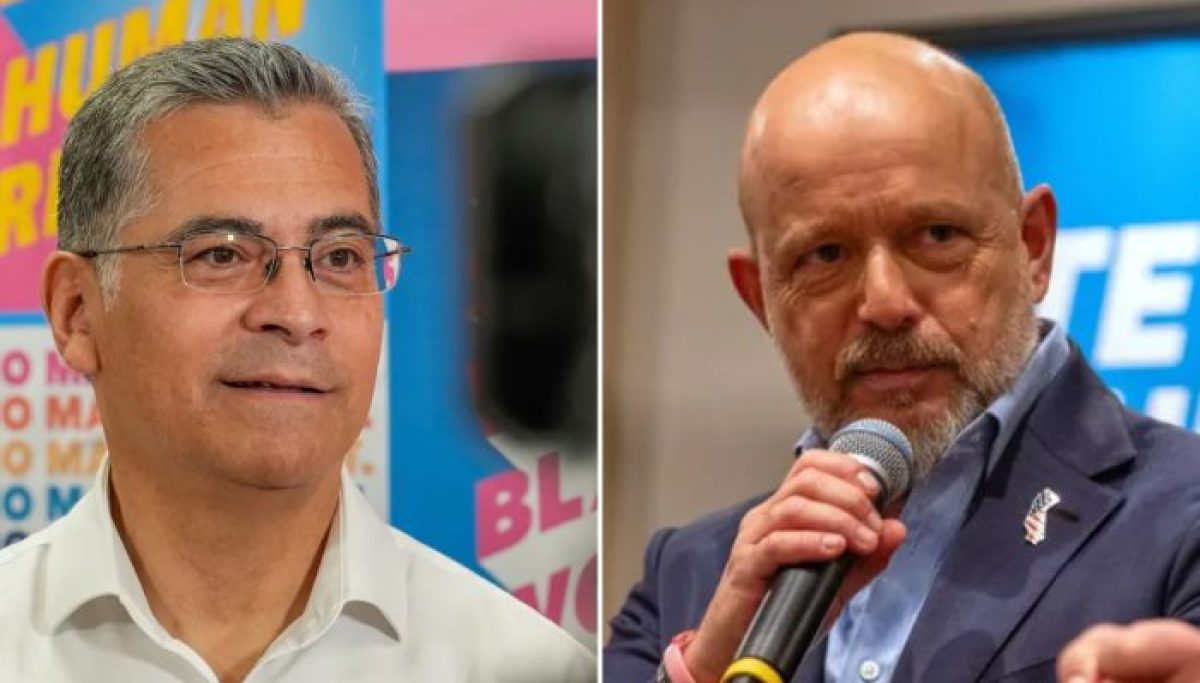
🔮 Recommended Stories Becerra, 68, will succeed Gov. Gavin Newsom (D-CA), who was barred by term limits from running again and is widely considered a front-runner for the 2028 Democratic presidential nomination.
🔮 In Birmingham, Andrew Siff said he voted for Rogers because he did not believe an el Sayed victory would be in the best interest of the Jewish community.
🔮 Rep. Haley Stevens’s (D-MI) stunning endorsement of Republican Mike Rogers widened an already bitter feud with Abdul el Sayed, the Democratic nominee who narrowly defeated her in August’s primary, and injected fresh turmoil into a Senate race that could determine which party controls the chamber.
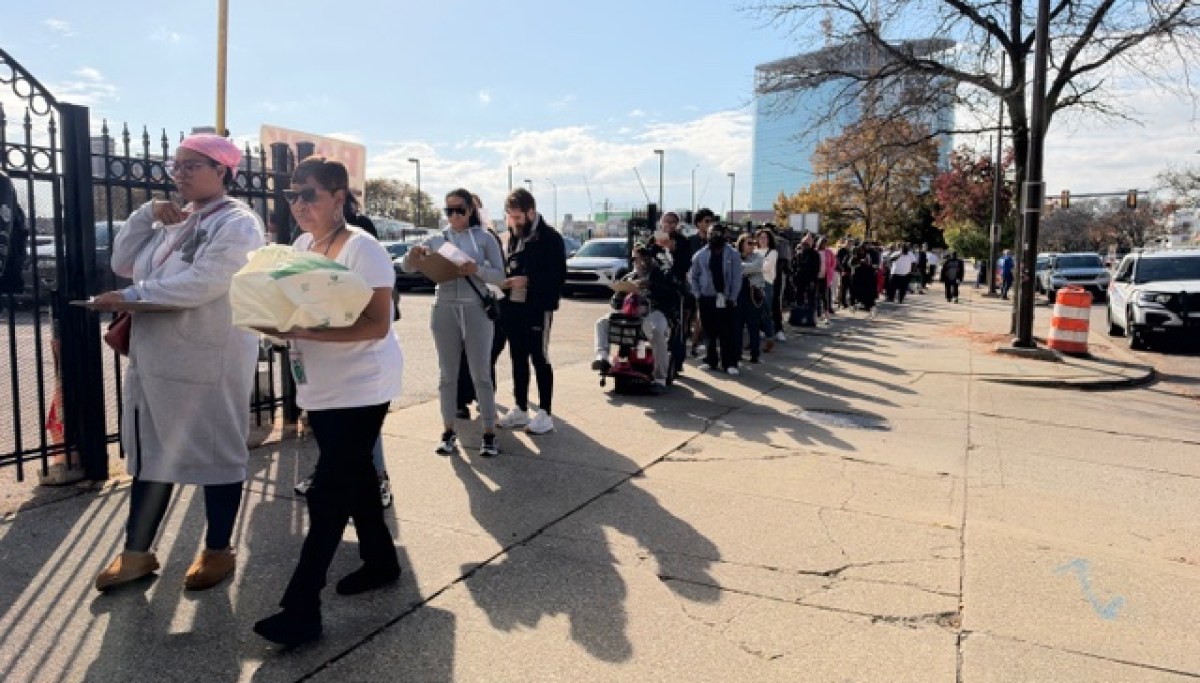
🔮 The four chairs they needed would add another $175 each.
🔮 Turkish, a disabilities and civil rights attorney from Huntington Woods, told the Washington Examiner that he had hoped el Sayed would use the time since winning the Democratic primary to move beyond the divisions over Israel and unite the party.
🔮 Republican Mike Rogers and Democrat Abdul el Sayed sparred over patriotism, the economy, healthcare, and Iran during their final debate Wednesday night, with each candidate spending much of the hour trying to tie the other to a political movement that some Michiganders may find unattractive.
🔮 Neither candidate landed a decisive blow in Michigan’s first Senate debate, but the exchange exposed the political liabilities both must overcome in a race that could determine control of the chamber: Mike Rogers’s ties to President Donald Trump and Abdul el Sayed’s challenge in winning over voters beyond his progressive base.
Also by Barnini Chakraborty
Nothing else under this byline is closely related to this article, so these are simply their most recent.
All 34 articles by Barnini Chakraborty →

Topics

Israel Michigan Republican Republicans Senate

Subjects

Rogers PERSON · 12× Michigan GPE · 9× el Sayed PERSON · 8× Senate ORG · 7× El Sayed’s PERSON · 4× Israel GPE · 4× Republicans NORP · 4× Trump PERSON · 4× Democrats NORP · 3× Democrat NORP · 2×

Narrative

El Sayed’s criticism of Israel’s actions in Gaza became one of the most contentious issues of the campaign, creating friction with some Jewish Democrats and giving Rogers an opening with voters concerned about the Democrat’s foreign policy positions.
framing: assertive · carried by 1 article(s) · first seen 2026-11-04
🔮 Rogers argued that el Sayed’s single-payer proposal would cost trillions of dollars and limit patients’ choices.

Claims (27 extracted, 0 hedged)

Abdul el Sayed, a progressive Democrat who sharply criticized Israel’s actions in Gaza, defeated Republican Mike Rogers on Tuesday in Michigan’s closely watched Senate race, putting him on track to become the first Muslim elected to the Senate. asserted
who → criticize → Senate
The Associated Press called the race for el Sayed shortly after 2.25 a.m. Eastern on Wednesday. asserted
Press → call → Wednesday
With roughly 85% of votes counted, el Sayed received 51.9%, while Rogers received 46.1%, and handed Democrats their 54th seat in a night that saw them sweep the board on toss-up Senate seats. asserted
them → count → seats
Recommended Stories El Sayed was able to survive off a dramatic last minute intervention from his primary opponent Rep. Haley Stevens (D-MI), who decided to endorse Rogers at the 11th hour. asserted
who → survive → hour
Rogers, a former seven-term congressman and FBI agent, had sought to flip the seat to Republicans as the party fought to preserve its majority. asserted
party → seek → majority
El Sayed’s victory keeps the seat in Democratic hands and delivers a major win for a progressive candidate whose positions on everything from Israel to healthcare made him a target for Republicans and drew scrutiny from some Democrats. asserted
him → keep → Democrats
Michigan has become one of the country’s most closely divided battlegrounds, with recent statewide elections showing that voters can split their tickets between presidential and Senate candidates. asserted
voters → become → candidates
In 2024, President Donald Trump carried Michigan in the presidential race, defeating former Vice President Kamala Harris by 1.4 percentage points. asserted
Trump → carry → points
In the Senate contest held the same day, Slotkin narrowly defeated Rogers by just 0.34 percentage points, or 19,006 votes. asserted
Slotkin → hold → points
The close 2024 results followed a series of elections in which Michigan has swung between the parties. asserted
Michigan → follow → parties
Trump won the state in 2016, becoming the first Republican presidential nominee to carry Michigan since 1988, before former President Joe Biden reclaimed it in 2020. asserted
Biden → win → 2020
Trump then won it again in 2024. asserted
Trump → win → 2024
That volatility has made Michigan a critical test of each party’s ability to assemble a statewide coalition that extends beyond its presidential base. asserted
that → make → base
This year’s Senate race drew national attention in the final days as both parties deployed some of their biggest political names. asserted
parties → draw → names
Former President Barack Obama campaigned for el Sayed, while Trump headlined a rally for Rogers and other Republicans. asserted
Trump → campaign → Rogers
Sen. Bernie Sanders (I-VT) also appeared in Grand Rapids for el Sayed. asserted
Sanders → appear → Sayed
The Senate candidates offered sharply different visions for Michigan during their campaign events and two televised debates, clashing over healthcare, the economy, education, and foreign policy. asserted
candidates → offer → healthcare
El Sayed highlighted his support for “Medicare for all” and criticized Rogers for opposing the Affordable Care Act. asserted
Sayed → highlight → Act
Rogers argued that el Sayed’s single-payer proposal would cost trillions of dollars and limit patients’ choices. asserted
proposal → argue → choices
Rogers portrayed el Sayed’s agenda as too far to the left for Michigan voters while seeking to distinguish himself from some of Trump’s policies, including tariffs. asserted
Rogers → portray → tariffs
El Sayed repeatedly tried to tie Rogers to the president’s agenda and his MAGA base. asserted
Sayed → try → agenda
El Sayed’s criticism of Israel’s actions in Gaza became one of the most contentious issues of the campaign, creating friction with some Jewish Democrats and giving Rogers an opening with voters concerned about the Democrat’s foreign policy positions. asserted
criticism → become → positions
State Rep. Noah Arbit, who founded the Michigan Democratic Jewish Caucus, criticized el Sayed after he told ABC News that Israel was not a “friend” of the United States. asserted
Israel → found → States
Rogers repeatedly sought to use the issue to appeal to Jewish voters. asserted
Rogers → seek → voters
In the final days of the campaign, the American Israel Public Affairs Committee, the country’s leading pro-Israel lobby, made a massive last-minute donation to support Rogers. asserted
Committee → lead → Rogers
AIPAC typically does not back Republicans in competitive general election races. asserted
AIPAC → back → races
The candidates also competed aggressively for black voters, another constituency with significant political influence in Michigan. asserted
candidates → compete → Michigan

💬Give feedback · no sign-in needed

No sign-in needed for now. Your note is sent without a name, so it cannot be answered.

🕘History 🎫Support