Photo via Washington Examiner

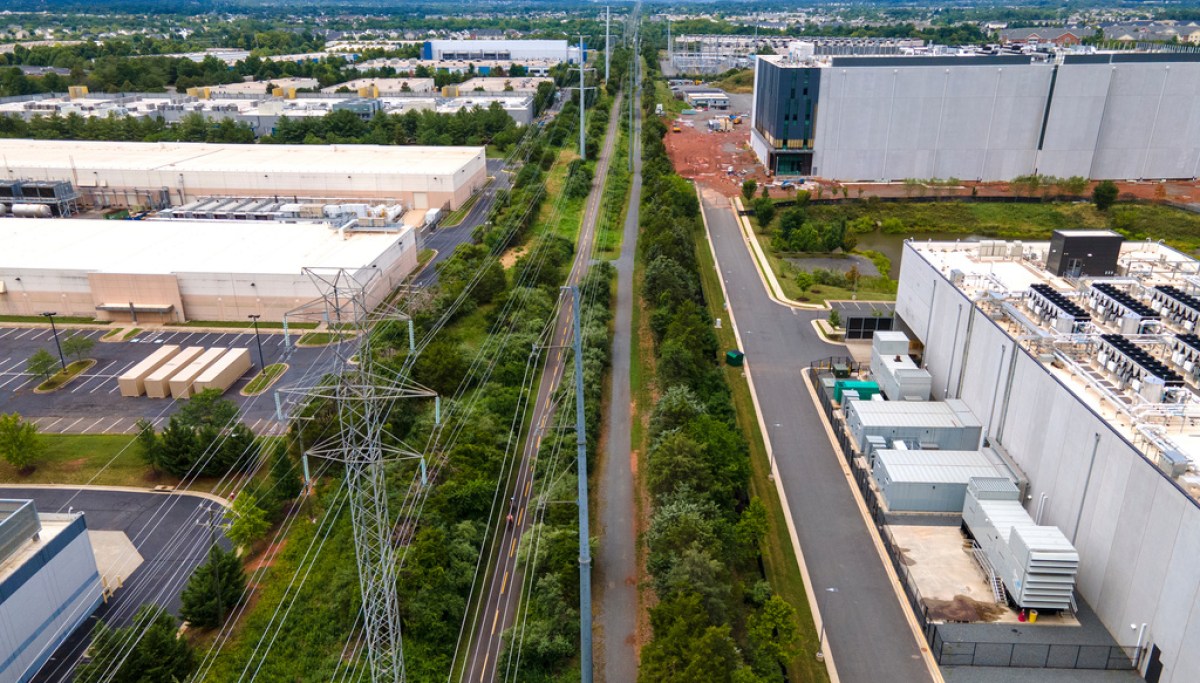
OpenAI releases new data center guidelines after communities approve moratoriums in midterm elections

Read the original at Washington Examiner ↗
Cite

Carter, C. (2026, November 5). OpenAI releases new data center guidelines after communities approve moratoriums in midterm elections. Washington Examiner. https://www.washingtonexaminer.com/policy/technology/4794034/openai-new-data-center-guidelines-midterm-election-moratoriums/

Dated from the outlet's own feed. Check the original for its byline.

Washington Examiner · collected 2026-11-05 · by Claire Carter

Quick Summary

On Thursday, OpenAI introduced new guidelines for operating their data centers and engaging with local communities, following voter-approved moratoriums on AI technology in recent midterm elections. The measures include a National Community Compact and a Compute Campus Policy Blueprint designed to ensure community input and involvement in future data center projects.
Written by AI on 2026-11-05, from this article's own text only (the story summary below draws on all the coverage).

AI analysis

Story summary

OpenAI, the company behind ChatGPT, is attempting to rebrand "data centers" as "AI compute campuses" amid growing public backlash against AI technology. This effort follows strong pushback from voters and lawmakers during recent US midterm elections, where Democrats are expected to win the House of Representatives. OpenAI's new strategy includes a policy framework aimed at building trust with local communities by allowing residents more input in data center proposals and providing them access to construction plans and potential impacts on traffic, noise, and lighting. Despite these efforts, some AI safety advocates remain skeptical about the sincerity of OpenAI’s intentions, viewing it as merely an attempt to save face rather than a genuine commitment to community concerns.

Written for “OpenAI's Data Center Policy Rebranding” on 2026-11-06, grounded in this article and the 3 other(s) covering the same event.
Why this leaning score
The article's own words the score was based on. Each is quoted verbatim and was checked against the article text before being stored, so you can find it in the original.
Reading Leans left (beta estimate) Confidence high
Leaning: leans left for article 132057 (high confidence, 1 verified quote) · logged 2026-11-05

Story

📰 OpenAI's Data Center Policy Rebranding
Technology · 4 article(s) covering the same event. See how they differ ↓

Compared with similar articles

This article reads leans left and hedges 0% of its claims. Each row says how that neighbour differs.
Semafor
Hedges 0 of 22 claims Outlet record 68/100
The Straits Times
⚖️ Leans right further right than this Hedges 2 of 19 claims Outlet record 66/100
The Independent
⚖️ Leans right further right than this Hedges 2 of 14 claims Outlet record 59/100
“While both articles discuss OpenAI's efforts regarding data centers, they describe different aspects and timelines: Article A mentions a general push to rebrand and reduce backlash against AI, while Article B specifically details new guidelines released after midterm election results.”
How this article was measured signals, leaning charts, publisher record, byline, topics and claims

Signals How these are calculated →

Claims extracted
2
sentences that state something as happening or true
Uncertain
0%
0 of 2 hedged ("reportedly", "may", "according to")
Leaning
Leans left
of the writing, not the subject · beta estimate
Publisher signals
69/100
Washington Examiner's corrections and hedging, across everything collected from it. Not a measure of accuracy.
Outlets on this story
4
Technology
Same framing elsewhere
1
articles that frame the event the way this one does
Analyzed 2026-11-05 · how these are computed

How this is being covered How these are calculated →

Article leaning vs. publisher reliability
Source leaning vs. consistency

Publisher

Washington Examiner · 4329 article(s) · 8 correction(s) detected
Running correction rate · 8 correction(s)

Who wrote this

Claire Carter
144 article(s) here · 1 carrying a prediction
🔮 GWU’s Graduate School of Political Management is set to host an event Thursday night examining what the 2026 election results mean for America’s political future.
🔮 OpenAI announced a new framework on Thursday for how it will move forward with operating its data centers and engaging with communities, a move that follows voters overwhelmingly rejecting the technology through ballot measures in the midterm elections.
🔮 Both candidates faced controversies throughout the campaign, including a dispute over a May traffic stop in which Lombardo was pulled over for allegedly running a red light in Las Vegas.
🔮 Osborn maintained that he would remain independent and would not caucus with either party if elected.
🔮 “In the coming days and weeks, much will be discussed about the future of the Democratic Party and 2028,” the memo said.
🔮 Her fiance said last week he would not support el Sayed because of his stance on Israel.
🔮 OpenAI announced on Monday that former Army Secretary Dan Driscoll will be joining the company as senior counselor for national security modernization, a move that comes over two months after the service leader left the Pentagon.
🔮 Four of those charged were illegal immigrants, while the citizenship status of others was not made immediately clear, meaning they may have been in the country lawfully but not eligible to vote.
🔮 Texas Democratic Senate nominee James Talarico proposed bipartisan cooperation with President Donald Trump, claiming the two could work together to fulfill the promise of the Make America Great Again movement.
🔮 “Oil Prices are DROPPING LIKE A ROCK, down almost $10 a Barrel, A RECORD, because people feel that there will not be a War with Iran,” Trump said in a Truth Social post.
Also by Claire Carter
Nothing else under this byline is closely related to this article, so these are simply their most recent.
All 144 articles by Claire Carter →

Topics

OpenAI a Compute Campus Policy Blueprint a National Community Compact

Subjects

OpenAI ORG · 2×

Narrative

The ChatGPT maker released a National Community Compact and a Compute Campus Policy Blueprint that intend to lay out how OpenAI will operate at its campuses and to provide guidelines to allow residents to have a “meaningful voice” in data center proposals.
framing: assertive · carried by 1 article(s) · first seen 2026-11-05
🔮 OpenAI announced a new framework on Thursday for how it will move forward with operating its data centers and engaging with communities, a move that follows voters overwhelmingly rejecting the technology through ballot measures in the midterm elections.

Claims (2 extracted, 0 hedged)

OpenAI announced a new framework on Thursday for how it will move forward with operating its data centers and engaging with communities, a move that follows voters overwhelmingly rejecting the technology through ballot measures in the midterm elections. asserted
that → announce → elections
The ChatGPT maker released a National Community Compact and a Compute Campus Policy Blueprint that intend to lay out how OpenAI will operate at its campuses and to provide guidelines to allow residents to have a “meaningful voice” in data center proposals. asserted
residents → release → proposals
💬Give feedback · no sign-in needed

No sign-in needed for now. Your note is sent without a name, so it cannot be answered.

🕘History 🎫Support