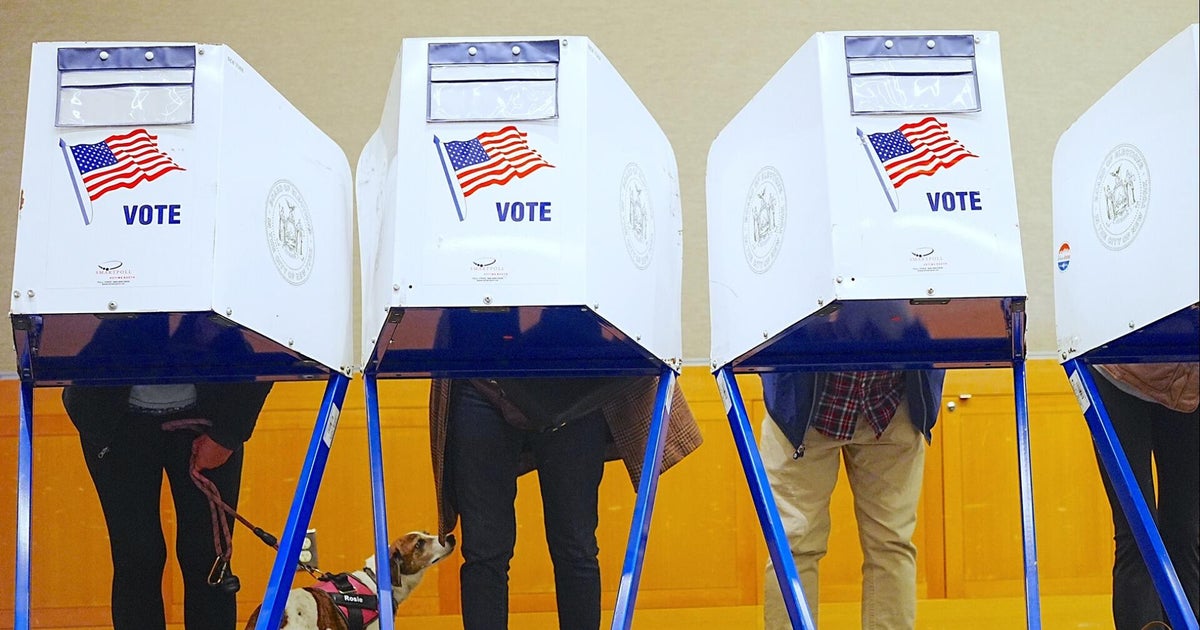
When Bobby Pulido, a well-known Tejano singer, decided to run for Congress in Texas’ 15th congressional district, many dismissed his candidacy as a long shot.
asserted
many → know → shot
When he decided to make playing at quinceañeras a cornerstone of his campaign’s voter outreach strategy, there were many naysayers.
asserted
playing → decide → strategy
On Tuesday, Texas voters proved them wrong.
asserted
them → prove → Tuesday
Pulido won about 62% of the vote, shifting the recently-redrawn 15th congressional district 42 points toward Democrats compared with the 2024 presidential election, and unseating incumbent Trump ally, Rep. Monica De La Cruz.
asserted
Pulido → win → ally
During her campaign, De La Cruz dismissed Pulido’s background, saying "this isn't about who you would want to perform at your niece's quinceañera."
asserted
you → dismiss → quinceañera
Pulido flipped the attack on its head, proudly stating he had performed at 75 quinceañeras while on the trail.
asserted
he → flip → trail
When speaking to voters, he kept a tight focus on the economy, healthcare, and immigration.
asserted
he → speak → economy
Pulido’s overwhelming victory on election night suggests that meeting voters where they’re at and engaging with them at cultural events that are deeply meaningful is an excellent way for politicians to connect with and mobilize Latino voters across the political spectrum.
uncertain
politicians → suggest → spectrum
An estimated 75% of voters in the district Pulido won were unknown voters, and his strategy was effective because it made people feel seen.
asserted
people → win → district
That is what we have been hearing from Latinos in focus groups for a number of years now—they are struggling daily to make ends meet, and no one seems to care enough to do anything about it.
asserted
one → hear → it
What is different is the degree of economic hardship Latinos are facing and the extent to which those struggles, along with concerns about immigration enforcement, may have moved Latinos away from the Republican Party.
uncertain
struggles → face → Party
The economic pain is real
Since 2020, polling has consistently shown that affordability—concerns about prices for basic necessities, housing, and stagnant wages—are what concern Latinos most.
asserted
what → show → Latinos
In a 2025 Equis poll Latinos surveyed reported high levels of economic precarity, with 29% reporting they had “trouble meeting expenses” and 32% that they “could just meet expenses with nothing left over.”
uncertain
they → survey → nothing
Similarly, an October 2025 Pew Research poll found that 48% of Latino respondents had struggled to pay for groceries, medical care, or their housing costs in the past year.
asserted
% → find → year
Latinos who worked full time were just as likely as those who were unemployed to say they have struggled to pay for food, medical care, and housing.
asserted
they → work → food
Given that, it is not surprising that 61% of Latino poll respondents said that their economic situation had worsened since President Donald Trump took office in 2024.
asserted
Trump → give → 2024
When asked by pollsters what their top concerns are, Latino respondents rarely include immigration on that list, but this misconstrues the fact that immigration is a key Latino concern.
asserted
immigration → ask → fact
The truth is that Latinos are much more likely to be connected to the immigration experience than other Americans.
asserted
Latinos → connect → Americans
The October 2025 Pew Latino survey found that 52% of Latino respondents said they worry a lot or some that they, a family member, or a close friend might be deported.
uncertain
they → find → respondents
Fifty-nine percent said that they had seen or heard of ICE raids in their communities over the past six months.
asserted
they → say → months
The violence around immigration enforcement has left its mark on many Latino communities.
asserted
violence → leave → communities
One of the most powerful images to come out of Texas on Election Day was the hundreds of “I Voted” stickers affixed to the shrine in honor of Lorenzo Salgado Araujo, a Mexican immigrant who was killed by ICE on July 7, 2026.
asserted
who → come → July
In addition to the stickers, people wrote statements, saying they were voting for Lorenzo, for a better future, and a future without hate.
asserted
they → write → hate
According to Equis Research, from 2016 to 2024, Latinos shifted more in favor of Trump than any other U.S. racial group: a 16-point gain.
uncertain
Latinos → accord → gain
It is important not to over-interpret those changes.
asserted
It → interpret → changes
It seems clear that there were aspects of Trump’s message that resonated in important ways with Latino voters.
asserted
that → seem → voters
In the 2025 Pew survey, 68% of respondents said that Latinos’ situation in the U.S. was worse than a year ago.
asserted
situation → say → U.S.
This was the first time in over two decades of Pew surveys that a majority of Latinos said their situation had worsened.
asserted
situation → say → Latinos
Among those who voted to give Trump a chance in 2024, polling suggests that many have lost faith in President Trump’s promises, particularly around economic issues.
uncertain
many → vote → issues
The election results from Texas’ Rio Grande Valley suggest another shift may have happened, back to the Democrats.
uncertain
shift → suggest → Democrats
Over 90% of the valley is Latino, and Democrats swept all Congressional districts, including those that had been drawn to favor Republicans.
asserted
that → sweep → Republicans
That remains to be seen.
asserted
That → remain → ?
Latino poll respondents have long indicated that they do not trust either party; the fastest-growing party identification among Latinos is no party preference.
asserted
identification → indicate → Latinos
Few candidates or party operatives, in either political party, invest the time needed to authentically engage targeted Latino voters around what matters to them.
asserted
what → invest → them
As a result, either outreach does not happen or, in the rare cases that it does, it is symbolic rather than substantive.
asserted
it → happen → cases
Latino voters can tell the difference.
asserted
voters → tell → difference
It seems like every electoral cycle, the question is whether the Latino vote will “swing.”
asserted
vote → seem → ?
It suggests that Latino voters are not voting based on their substantive concerns, but rather that they can be won over by one Spanish-language advertisement.
uncertain
they → suggest → advertisement
But the polling makes clear that the stakes are real.
asserted
are → make → ?
Latino families are struggling every day to keep food on the table and a roof over their heads.
asserted
families → struggle → heads
…and 5 more, not listed.
 The Aporia