In 2024, Donald Trump’s election night wins in the presidential battlegrounds of Georgia, North Carolina, Texas and Florida meant that most Americans went to bed on Tuesday with a good idea of the result of the election — and woke up to the networks having called enough states to declare Trump the president-elect.
asserted
Trump → mean → states
Republicans are trying to hang on to slim majorities in both chambers as Democrats try to wrest power in Washington for the final two years of Trump’s term.
asserted
Democrats → try → term
Democrats are heavily favored in public polling in the House and in a number of key Senate contests — and if those numbers prove accurate, it’s possible that NBC News could project control of both chambers on election night.
uncertain
News → favor → night
But it’s more likely that determining the winners in important races will take time.
asserted
determining → ’ → time
Of course, no one, including the Decision Desk, will know what will unfold until election night, but we will have a good sense possibly early in the night of how the contests are trending.
uncertain
contests → include → night
The answer of when we could call control in both the House and Senate depends not only on how states count their votes, but on how close the races will be.
uncertain
races → call → votes
When we could know Senate control
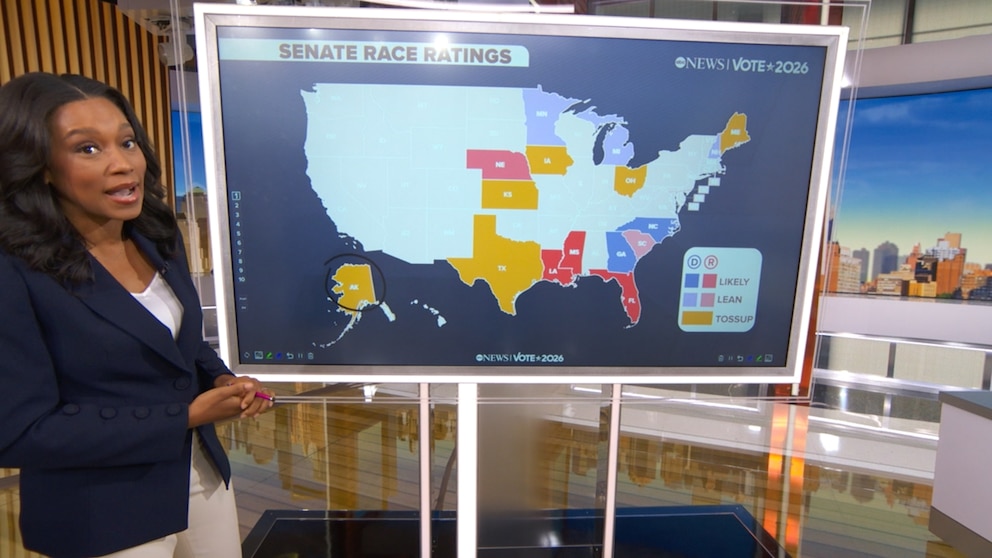
Senate control will likely come down to the eight races that NBC News rates as either toss-ups (Alaska, Iowa, Kansas, Ohio, Texas) or lean Democratic (Maine, Michigan, New Hampshire).
uncertain
News → know → ups
Assuming that Democrats win the states NBC News currently rates as “Likely” Democratic (which includes flipping North Carolina’s Senate seat from red to blue, and keeping Georgia in their column), Democrats still need to win five of these eight contests.
asserted
Democrats → assume → contests
Some of these states are quick to count their ballots, and others are perennially slow.
asserted
others → count → ballots
If some of these Senate contests are as close as we expect, calling control of the Senate as a whole could take us into the early morning hours of Wednesday, regardless of who wins those individual races.
uncertain
who → expect → races
It is also a real possibility that Americans will wake up at a slightly more reasonable hour on Wednesday without a majority decided, even if we have a good sense of who will ultimately win.
asserted
who → wake → sense
And if Senate control comes down to the outcome in Alaska, we’ll all be here awhile.
asserted
we → come → Alaska
In that case, it will take a couple of weeks to know who won the majority thanks to the state’s ranked choice voting system.
asserted
who → take → system
Past elections offer a useful guide to how quickly we expect to see votes counted in each of these states, even if the timing Tuesday night is not exact.
asserted
timing → offer → states
Let’s look more closely at each of these categories — the fast-counting states, the slow-but-steady states, and the ranked choice wild cards.
asserted
’s → look → categories
The fast counters
Votes in Iowa, Kansas, Ohio and Texas were counted fairly quickly in 2024.
asserted
Votes → count → 2024
We expect over 80% of the vote in those states to be counted by midnight Eastern time.
asserted
% → expect → midnight
If those historical patterns hold, there is a good chance that those Senate races will be called.
asserted
races → hold → ?
And some of these calls may come in before midnight if there is some spread in the races as some recent polls suggest.
uncertain
polls → come → races
But Democrats must win five of these battleground Senate races to take a majority, which means that even if they win all four states here, NBC News would still not be able to project control of the Senate.
asserted
News → win → Senate
In two of the key battleground states, New Hampshire and Michigan, nearly all votes will be counted over the course of election night, but more steadily and slowly than the fast counters.
asserted
votes → count → counters
Here, elections are administered by towns and municipalities, not by counties.
asserted
elections → administer → counties
This results in a more decentralized and variable counting process that lasts until early morning, or even midday Wednesday.
asserted
that → result → morning
How quickly these races are called really depends upon the margin of the race.
asserted
called → call → race
Earlier in the election cycle, polls suggested both these races would be close.
uncertain
races → suggest → cycle
Recent polls favoring the Democratic candidates and what appears to be a Democratic advantage in the early vote in Michigan mean there’s a wide range of timing possibilities there.
asserted
what → favor → possibilities
If the nationwide Democratic momentum translates to results, New Hampshire could possibly be called before midnight.
uncertain
Hampshire → translate → midnight
But that seems to be highly unlikely in a place like Michigan, where Wayne County, home to Detroit, often releases large batches of votes between midnight and 3 a.m. ET.
asserted
County → seem → midnight
This is such a significant source of ballots that statewide races in Michigan often cannot be called without Wayne County’s results.
asserted
races → call → results
The takeaway here is that if the Senate races in these states are close as the polls have indicated all along, it’s unlikely that calls will come before the early morning hours.
asserted
calls → indicate → hours
But it all depends upon how far apart the two candidates are in the state, and we won’t know that until tonight.
asserted
we → depend → tonight
The ranked choice states
Maine and Alaska are the slowest counters of the group.
asserted
Maine → rank → group
As in New Hampshire, Maine’s elections are administered by towns, each with their own schedule for tabulating ballots and releasing results.
asserted
elections → administer → results
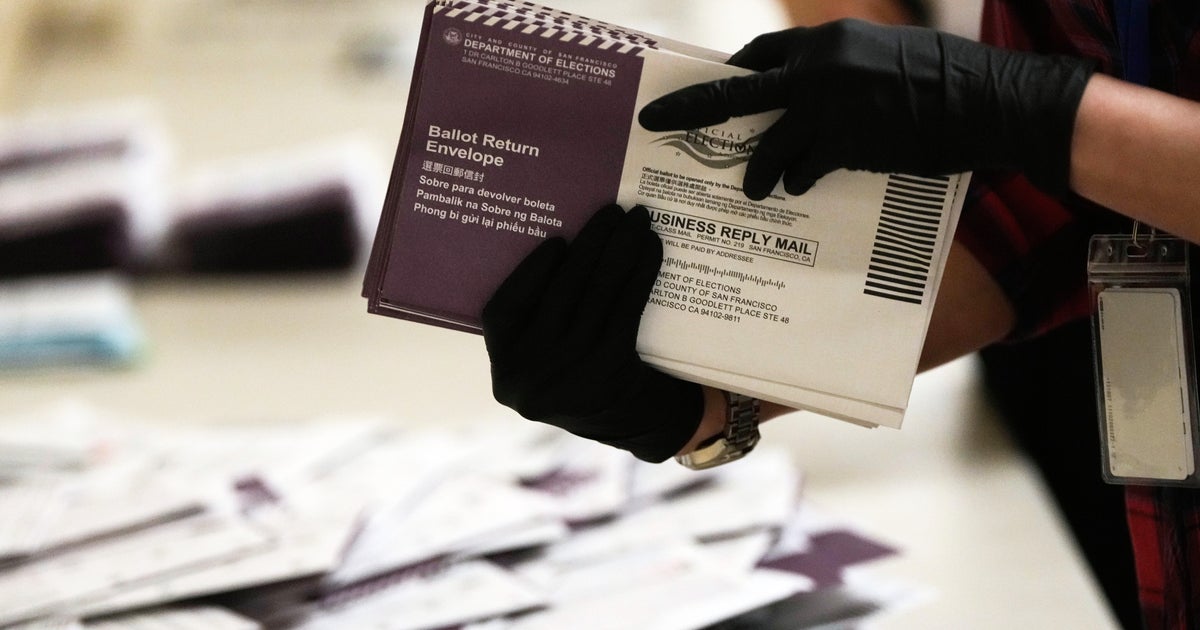
In Alaska, mail ballots from remote corners of the state can arrive up to 15 days after the election.
asserted
ballots → arrive → election
If these historical patterns hold, there will not be enough votes counted on election night to call a close race in either state.
asserted
patterns → hold → state
In 2024, the presidential race in Maine was called on Wednesday at 4:40 p.m. ET, and in Alaska on Thursday at 10 a.m. ET.
asserted
race → call → ET
Then-Vice President Kamala Harris won Maine by about 7 points, while Trump won Alaska by 13 points.
asserted
Trump → win → points
It’s possible the margins in this year’s Senate contests could be much closer.
uncertain
margins → ’ → contests
There is a second complication in Maine and Alaska that could cause even more delay in knowing which party will control the Senate.
uncertain
party → be → Senate
These states both use ranked choice voting for their Senate races, in which voters rank the candidates in order of preference.
asserted
voters → use → preference
…and 35 more, not listed.
 The Aporia