Photo via Mother Jones

How Brazil Broke the Far-Right “Curse”

Read the original at Mother Jones ↗
Cite

Dias, I. (2026, November 3). How Brazil Broke the Far-Right “Curse”. Mother Jones. https://www.motherjones.com/politics/2026/11/how-brazil-broke-the-far-right-curse/

Dated from the outlet's own feed. Check the original for its byline.

Mother Jones · collected 2026-11-03 · by Isabela Dias

Quick Summary

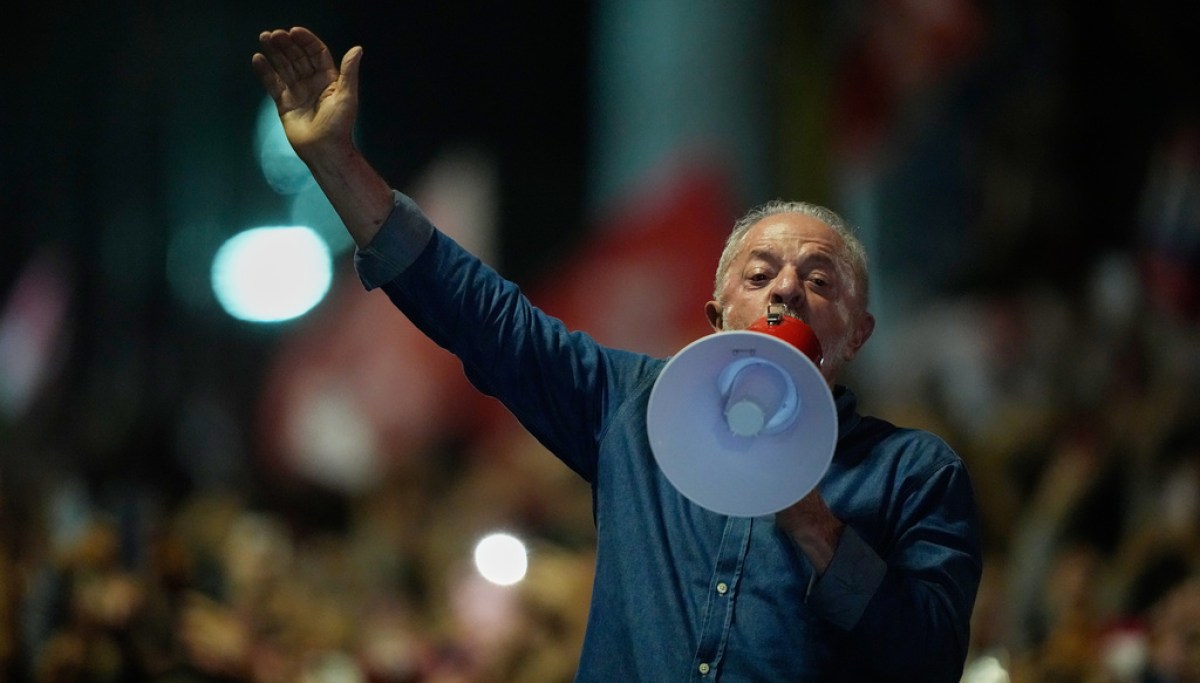
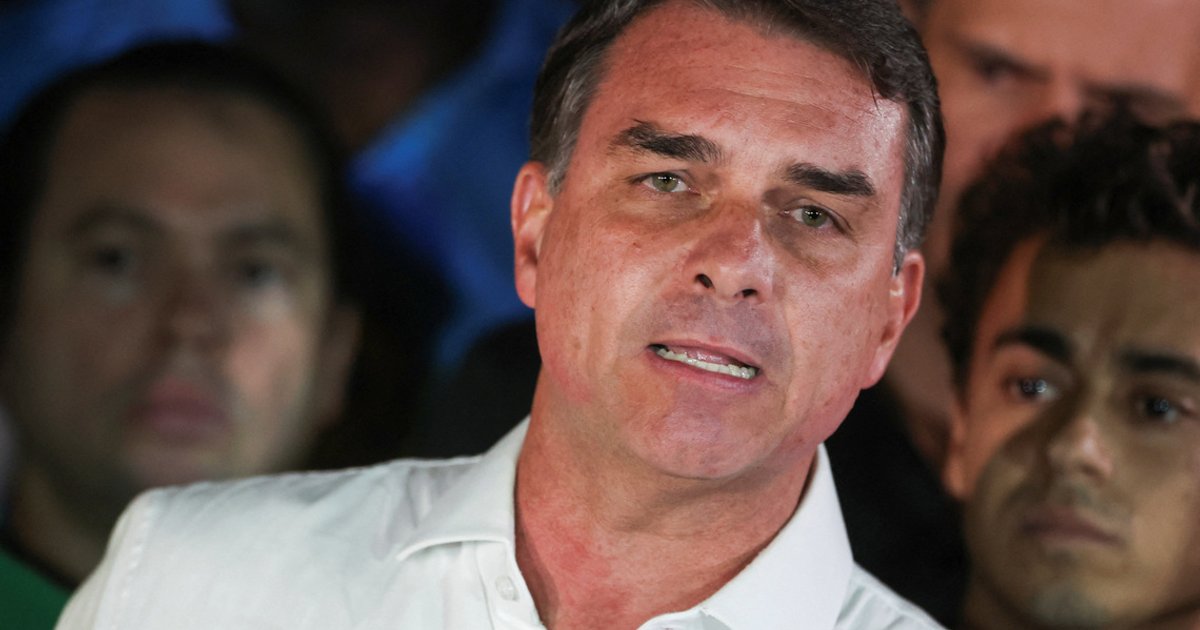
On October 25, Brazil reelected President Luiz Inácio Lula da Silva for a fourth term, defeating far-right candidate Flávio Bolsonaro by more than 4 million votes. This victory marked a significant break from the recent trend of right-wing governance in Latin America and signaled resistance to U.S.-led interference, particularly concerning tech companies like Meta’s role during the election. Professor David Nemer suggests that Lula's win represents an end to a recurring pattern where political developments in Brazil mirror those in the United States over approximately 10-year cycles.
Written by AI on 2026-11-03, from this article's own text only (the story summary below draws on all the coverage).

AI analysis

Story summary

On October 25, Luiz Inácio Lula da Silva won Brazil's presidential runoff against right-wing senator Flávio Bolsonaro, securing his fourth term as president with over 4 million votes. The election took place on Sunday in a tight race that had been closely watched due to the contrasting platforms of both candidates, with Lula advocating for leftist policies and Bolsonaro supporting far-right ideologies similar to those of his imprisoned father, former President Jair Bolsonaro. This victory marks a significant shift against the wave of right-wing governments in Latin America and signals a continued left-leaning direction for Brazil under Lula's leadership.

Written for “Lula Wins Brazilian Election” on 2026-11-03, grounded in this article and the 56 other(s) covering the same event.
Why this leaning score
The article's own words the score was based on. Each is quoted verbatim and was checked against the article text before being stored, so you can find it in the original.
Reading Leans strongly left (beta estimate) Confidence high 1 quote(s) discarded as not found in the article
Leaning: leans strongly left for article 125505 (high confidence, 3 verified quotes) · logged 2026-11-03

Story

📰 Lula Wins Brazilian Election
Politics · 57 article(s) covering the same event. Compare every outlet's account →

Compared with similar articles

This article reads leans strongly left and hedges 8% of its claims. Each row says how that neighbour differs.
The Guardian
⚖️ Leans strongly left Hedges 3 of 49 claims Outlet record 66/100
Washington Examiner
⚖️ Leans left further right than this Hedges 0 of 3 claims Outlet record 70/100
The Hindu
⚖️ Leans strongly left Hedges 3 of 28 claims Outlet record 77/100
Fox News
Hedges 5 of 32 claims Outlet record 69/100
“Article A describes Bolsonaro declaring himself 'leader' after fleeing Brazil and arriving in Miami, while Article B discusses the broader context of Lula's victory over Flávio Bolsonaro in the election.”
The Straits Times
⚖️ Leans left further right than this Hedges 0 of 25 claims Outlet record 66/100
“Article A describes Flavio Bolsonaro's self-exile and ridicule after fleeing the US following his election defeat on October 28, while Article B discusses Lula's re-election victory over Flavio Bolsonaro and Flavio's refusal to concede on October 25.”
BBC News
Hedges 0 of 25 claims Outlet record 68/100
“While both articles discuss Flávio Bolsonaro's reaction to his election loss and refusal to concede, they describe different aspects of the incident occurring at distinct times.”
The Guardian
Hedges 4 of 28 claims Outlet record 66/100
“Article A describes Flávio Bolsonaro's brief claim to be president-elect after losing the election, while Article B covers the broader context of Lula winning the election and Flávio refusing to concede. They describe different parts of the same larger event.”
The Independent
Hedges 2 of 47 claims Outlet record 59/100
“While both articles discuss Flavio Bolsonaro's electoral defeat and subsequent actions, Article A focuses on his escape to the US following the election loss, while Article B provides context for Lula's victory in the runoff election. They describe related but distinct aspects of the same broader event.”
The Straits Times
Hedges 4 of 25 claims Outlet record 66/100
“The articles describe different moments around the election and its immediate aftermath, not the same specific incident.”
The Straits Times
⚖️ Leans left further right than this Hedges 5 of 26 claims Outlet record 66/100
“Article A discusses Flavio Bolsonaro fleeing Brazil while Article B covers the reelection of Lula and Flavio's refusal to concede.”
How this article was measured signals, leaning charts, publisher record, byline, topics and claims

Signals How these are calculated →

Claims extracted
63
sentences that state something as happening or true
Uncertain
8%
5 of 63 hedged ("reportedly", "may", "according to")
Leaning
Leans strongly left
of the writing, not the subject · beta estimate
Publisher signals
60/100
Mother Jones's corrections and hedging, across everything collected from it. Not a measure of accuracy.
Outlets on this story
57
Politics
Same framing elsewhere
1
articles that frame the event the way this one does
Analyzed 2026-11-03 · how these are computed

How this is being covered How these are calculated →

Article leaning vs. publisher reliability
Source leaning vs. consistency

Publisher

Mother Jones · 442 article(s) · 1 correction(s) detected
Running correction rate · 1 correction(s)

Who wrote this

Isabela Dias
7 article(s) here · 1 carrying a prediction
🔮 After Flávio’s defeat, I got back in touch with him to ask about how Lula was able to turn the election around in three weeks, what lessons can be learned from the success of his digital campaign, and whether his victory might indicate anything regarding the midterms.
2026-11-03 · assertive framing · How Brazil Broke the Far-Right “Curse”
🔮 At the campaign event, O’Neal’s oldest daughter carried a sign that read, “If I could vote, I’d vote for Dr. Annie.”
🔮 Much like his father, Flávio refused to concede defeat and initially said he would seek to annul the results.
🔮 The symbolic image—apparently welcoming a US intervention in the country—may have shocked supporters of President Luiz Inácio Lula da Silva or Brazilians who value the country’s sovereignty.
🔮 Eduardo is more than a cheerleader for his would-be presidential sibling; he is poised to become the next foreign minister of Brazil in a potential Flávio Bolsonaro government.
2026-10-15 · assertive framing · MAGA World Is Counting on a Bolsonaro Win in Brazil
🔮 For several days this spring, trapped inside a Texas immigration detention center, Luis made frantic phone calls, one after the other, to everyone he could think of.
2026-10-05 · assertive framing · “You Kidnapped My Son”
🔮 In May, now-presidential candidate Flávio Bolsonaro, the eldest son of former Brazilian far-right President Jair Bolsonaro, shared on his social media a “leaked” trailer for an upcoming biopic about his father.
Also by Isabela Dias
Nothing else under this byline is closely related to this article, so these are simply their most recent.
All 7 articles by Isabela Dias →

Topics

Brazil Brazilian Meta Workers’ Party the United States

Subjects

Lula PERSON · 11× Brazil GPE · 8× Meta ORG · 7× Flávio PERSON · 4× Trump PERSON · 4× Flávio Bolsonaro PERSON · 3× WhatsApp ORG · 3× the United States GPE · 3× Bolsonaro PERSON · 2× Jair Bolsonaro PERSON · 2×

Narrative

For David Nemer, an associate professor at the University of Virginia who researches technology and disinformation, Lula’s triumph over Flávio also meant that Brazil broke what he described as the “two-year American curse”—a seesawing cycle of about 10 years during which what happened in US politics was later repeated in Brazil, from the rise of a populist far-right leader to anti-democratic riots and efforts to overturn election results.
framing: assertive · carried by 1 article(s) · first seen 2026-11-03
🔮 After Flávio’s defeat, I got back in touch with him to ask about how Lula was able to turn the election around in three weeks, what lessons can be learned from the success of his digital campaign, and whether his victory might indicate anything regarding the midterms.
2026-11-03 · Mother Jones
How Brazil Broke the Far-Right “Curse” · assertive framing

Claims (63 extracted, 5 hedged)

On October 25, Brazil stunned the world by decisively rejecting the far right and reelecting President Luiz Inácio Lula da Silva for a fourth term. asserted
Brazil → stun → term
Lula, 81, defeated Flávio Bolsonaro—the son of former President Jair Bolsonaro, who was convicted of attempting a coup—by a margin of more than 4 million votes. asserted
who → defeat → votes
He managed to achieve an unprecedented comeback in the runoff of what was considered a critical election not only for the country, but also for the future of the Amazon and the Trump administration’s aspirations in Latin America. asserted
what → manage → America
In the aftermath of Lula’s win, Flávio refused to concede, declared himself the rightful “president-elect” (later changing it to “leader of Brazil”), and emulated his father by fleeing to the United States with the assistance of President Donald Trump’s aides. asserted
himself → refuse → aides
Lula’s election put a halt to the wave of right-wing governments sweeping the region. asserted
election → put → region
In his victory speech, the Workers’ Party leader said his election was a win against “outside interference” from companies like Meta—owner of Instagram, Facebook, and WhatsApp—and vowed to regulate digital platforms. asserted
election → say → platforms
For David Nemer, an associate professor at the University of Virginia who researches technology and disinformation, Lula’s triumph over Flávio also meant that Brazil broke what he described as the “two-year American curse”—a seesawing cycle of about 10 years during which what happened in US politics was later repeated in Brazil, from the rise of a populist far-right leader to anti-democratic riots and efforts to overturn election results. asserted
happened → research → results
As we all know, in 2016, Trump won the presidency in the United States. asserted
Trump → know → States
Then, Joe Biden became president, followed by Lula’s win two years later. asserted
Biden → become → win
Two years also separated the January 6 insurrection and the January 8, 2023 ransacking of federal of government buildings in Brasilia, the country’s capital, by Bolsonaro supporters. asserted
years → separate → supporters
Finally, in 2024, Trump was reelected. asserted
Trump → reelect → 2024
But now, faced with the option to return a member of the Bolsonaro family to the nation’s highest office, the majority of Brazilians said “no.” asserted
majority → face → Brazilians
I first interviewed Nemer in 2023, in the aftermath of the January 6-like attack in Brazil, which he had seen coming. asserted
he → interview → Brazil
After Flávio’s defeat, I got back in touch with him to ask about how Lula was able to turn the election around in three weeks, what lessons can be learned from the success of his digital campaign, and whether his victory might indicate anything regarding the midterms. uncertain
victory → get → midterms
The 2026 Brazilian presidential elections were marked by questions around interference from the United States and claims of political bias by big tech. uncertain
elections → mark → tech
Lula’s campaign complained that Meta used algorithms to suppress his content while boosting that of his opponent, prompting the Brazilian electoral court to order the company to ensure both candidates received equal treatment on its platforms. asserted
candidates → complain → platforms
What is your assessment of the role that Meta allegedly played in the elections? uncertain
Meta → play → elections
Meta deliberately acted in Brazil’s elections. asserted
Meta → act → elections
Lula’s content was not going viral. asserted
content → go → ?
It did not have the same treatment by the algorithm as content shared by the right. asserted
It → have → right
People were going to Meta AI, and they were not able to produce any images with Lula’s name on them, but they were able to do it with Flávio’s. asserted
they → go → Flávio
Meta recognized the issue and fixed the glitch. asserted
Meta → recognize → glitch
It was also more expensive for Lula’s campaign to publish their ads on Meta’s platforms than for Flávio Bolsonaro. asserted
campaign → publish → Bolsonaro
[The company has denied meddling in the election. asserted
company → deny → election
] While they called them “technical” failures, it’s hard to believe them when there’s no way to verify that those failures were actually just technical—and the fact that all the failures benefited one candidate only, Flávio Bolsonaro. asserted
failures → call → candidate
At the same time, one of the main factors behind Lula turning the tide and winning the runoff was actually WhatsApp, which is a platform owned by Meta. asserted
which → turn → Meta
WhatsApp is on 98 percent of phones in Brazil; it’s the main means of communication. asserted
it → ’ → communication
Initially, the race looked neck and neck, and after the first round of voting on October 4, Flávio Bolsonaro appeared to have a clear advantage. asserted
Bolsonaro → look → advantage
What were the crucial factors that enabled President Lula’s historic comeback? asserted
that → enable → comeback
Lula changed his strategy and aligned himself with folks who understood the digital world. asserted
who → change → world
For example, 21-year-old Ana Elisa Santos—she’s a Black woman who got elected [to Congress] in the state of Minas Gerais. asserted
who → ’ → Gerais
She was a massive phenomenon, and he got her on his team. asserted
he → get → team
There were also political wins that helped boost Lula, like the bill that became law ending the six-day workweek. asserted
that → be → workweek
That was a major win for Lula, and he capitalized a lot on that. asserted
he → capitalize → that
He also banned online gambling platforms, which was something that people were really concerned about. asserted
people → ban → that
All these political and digital moves helped him gain momentum. asserted
moves → help → momentum
He made these moves to occupy the digital world, but there were also several organizers who worked together to occupy the streets. asserted
who → make → streets
It started with law students in Niterói [in the state of Rio de Janeiro] and the next thing we know, we’re seeing Lula take over Copacabana—known for pro-Bolsonaro demonstrations—and the city of São Paulo’s main avenue. asserted
Lula → start → Paulo
One thing was building on another and the momentum was created until we saw what we saw in the runoff. asserted
we → build → runoff
The main person responsible for Lula’s successful strategy online was lawmaker André Janones, the “general” behind a WhatsApp channel that grew to have more than 10 million members. asserted
that → grow → members
…and 23 more, not listed.

💬Give feedback
🕘History 🎫Support