Photo via Semafor

The US-China thaw may not outlive the Trump era

Read the original at Semafor ↗
Cite

Browne, A. (2026, November 3). The US-China thaw may not outlive the Trump era. Semafor. https://www.semafor.com/article/11/03/2026/the-us-china-thaw-may-not-outlive-the-trump-era

Dated from the outlet's own feed. Check the original for its byline.

Semafor · collected 2026-11-03 · by Andy Browne

Quick Summary

This article is an opinion piece by Andy that questions whether the improving relationship between the US and China under President Trump will continue after he leaves office. It highlights Trump's personal admiration for Chinese leader Xi Jinping, leading to a thaw in relations despite domestic criticism. The author suggests that once Trump’s presidency ends, regardless of midterm election outcomes, his successor will likely revert to a more confrontational stance towards China due to bipartisan frustration with Trump's current approach.
Written by AI on 2026-11-03, from this article's own text only (the story summary below draws on all the coverage).

AI analysis

Story summary

The potential for improved relations between the United States and China may not last beyond the end of President Donald Trump's presidency. According to Andy Browne at Semafor, a growing bipartisan frustration with Trump’s approach towards China is building momentum. Trump has held two summits this year with Chinese leader Xi Jinping and plans another meeting in Shenzhen this month, followed by a fourth in Miami in December. Despite these meetings, there are increasing concerns over the sustainability of improved ties due to strategic issues, such as reports that China provided satellite imagery used by Iran to target US troops. As midterm elections approach, a potential backlash against Trump's policies is expected, making it uncertain whether the current détente will endure beyond his presidency.

Written for “UsChina Relations Improving” on 2026-11-03, grounded in this article and the 0 other(s) covering the same event.
Why this leaning score
The model judged this article politically coded and scored it -0.65, but every quote it verified points right, so the score is not published.
Written under an earlier scoring contract, which gave a paragraph rather than checkable quotes. Re-analysing this article replaces it.
Leaning score withheld for article 125351: score contradicts its own evidence · logged 2026-11-03

Story

📰 UsChina Relations Improving
Politics · 1 article(s) covering the same event.

Compared with similar articles

This article reads unscored and hedges 10% of its claims. Each row says how that neighbour differs.
South China Morning Post
⚖️ Leans left Hedges 0 of 6 claims Outlet record 62/100
“The articles discuss related themes about US-China relations under Trump but describe different aspects and timelines.”
South China Morning Post
Hedges 3 of 4 claims Outlet record 62/100
“Both articles discuss potential impacts of midterm election results on US-China relations, but they are written on different days and provide distinct analyses without clearly referring to the exact same incident or outcome.”
How this article was measured signals, leaning charts, publisher record, byline, topics and claims

Signals How these are calculated →

Claims extracted
21
sentences that state something as happening or true
Uncertain
10%
2 of 21 hedged ("reportedly", "may", "according to")
Leaning
withheld
no quote in the article backed the model's score
Publisher signals
59/100
Semafor's corrections and hedging, across everything collected from it. Not a measure of accuracy.
Outlets on this story
1
Politics
Same framing elsewhere
1
articles that frame the event the way this one does
Analyzed 2026-11-03 · how these are computed

How this is being covered How these are calculated →

Article leaning vs. publisher reliability
Source leaning vs. consistency

Publisher

Semafor · 1462 article(s) · 3 correction(s) detected
Running correction rate · 3 correction(s)

Who wrote this

Andy Browne
7 article(s) here · 1 carrying a prediction
🔮 I wouldn’t count on it.
2026-11-03 · assertive framing · The US-China thaw may not outlive the Trump era
🔮 I think the European side will consider this as a down payment.
🔮 Doshi’s take on the arrival ceremony, which also included a 21-gun salute and a flyover by B-1B bombers — far exceeding courtesies extended to Trump in Beijing in May — has been that China believes “they’ve basically tamed the United States.”
2026-09-26 · assertive framing · The US-China tectonic plates have shifted
🔮 But Trump could just as easily flip, perhaps if Republicans are routed in November’s midterms, as he did at the end of his first term when he blamed China and COVID-19 — “kung-flu” — for his election defeat.
2026-09-21 · assertive framing · The summit won’t break the US-China stalemate
🔮 In Kyrgyzstan last month, Xi inked agreements to integrate the economy of western China more closely with Central Asia, advancing an inter-bank payment system, border-crossing infrastructure, and a freight railway link that will require the construction of 50 bridges and 29 tunnels.
2026-09-15 · assertive framing · Xi’s bid to remake global governance
🔮 The late Henry Kissinger initially made his name as an academic writing about nuclear arms control during the Cold War, and latterly forged his reputation as the architect of US-China detente. In his final years, however, Kissinger was fixated on what he believed to be an even greater danger: For the first time in human history, he observed, a technology — self-learning machines — could potentially target anything, anywhere, with any kind of destruction, making the world “100% vulnerable.” He had become an AI doomer.
🔮 Their backgrounds and personalities could hardly be more different: Wang is a self-described “tech supremacist”; Hui came up through gritty factory jobs.
2026-08-25 · assertive framing · A tale of two tycoons
Also by Andy Browne
Nothing else under this byline is closely related to this article, so these are simply their most recent.
All 7 articles by Andy Browne →

Topics

China Chinese Miami Republicans Shenzhen

Subjects

Trump PERSON · 13× China GPE · 9× Chinese NORP · 3× Andy PERSON · 1× Donald Trump PERSON · 1× Iran GPE · 1× Miami GPE · 1× Republicans NORP · 1× Shenzhen GPE · 1× Xi Jinping PERSON · 1×

Narrative

Ali Wyne, a US-China specialist at the International Crisis Group, sees bipartisan frustration at Trump’s China policy winding up like a coil, ever more tightly as he gives ground to Xi, and eventually unspooling “violently and unpredictably.”
framing: assertive · carried by 1 article(s) · first seen 2026-11-03
🔮 I wouldn’t count on it.
2026-11-03 · Semafor
The US-China thaw may not outlive the Trump era · assertive framing

Claims (21 extracted, 2 hedged)

The prospect of steep losses for Republicans in today’s midterms and the lame-duck presidency that ensues regardless raise a fundamental question about the outlook for a budding US-China détente. asserted
that → ensue → détente
Can warming superpower ties outlive the Trump era? asserted
ties → warm → era
I wouldn’t count on it. asserted
I → count → it
It’s not that an election humiliation would crimp US President Donald Trump’s diplomatic style. asserted
humiliation → ’ → style
On the contrary, there’s every expectation it would give him even greater incentive to build his legacy on the world stage. asserted
it → ’ → stage
And a backlash is brewing. asserted
backlash → brew → ?
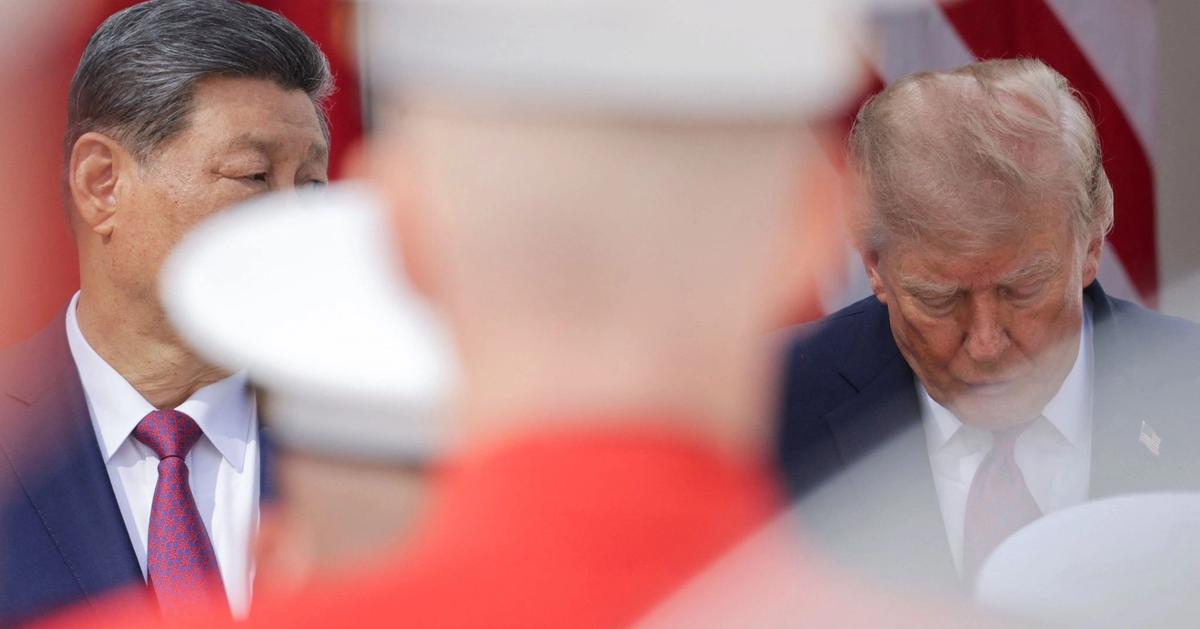
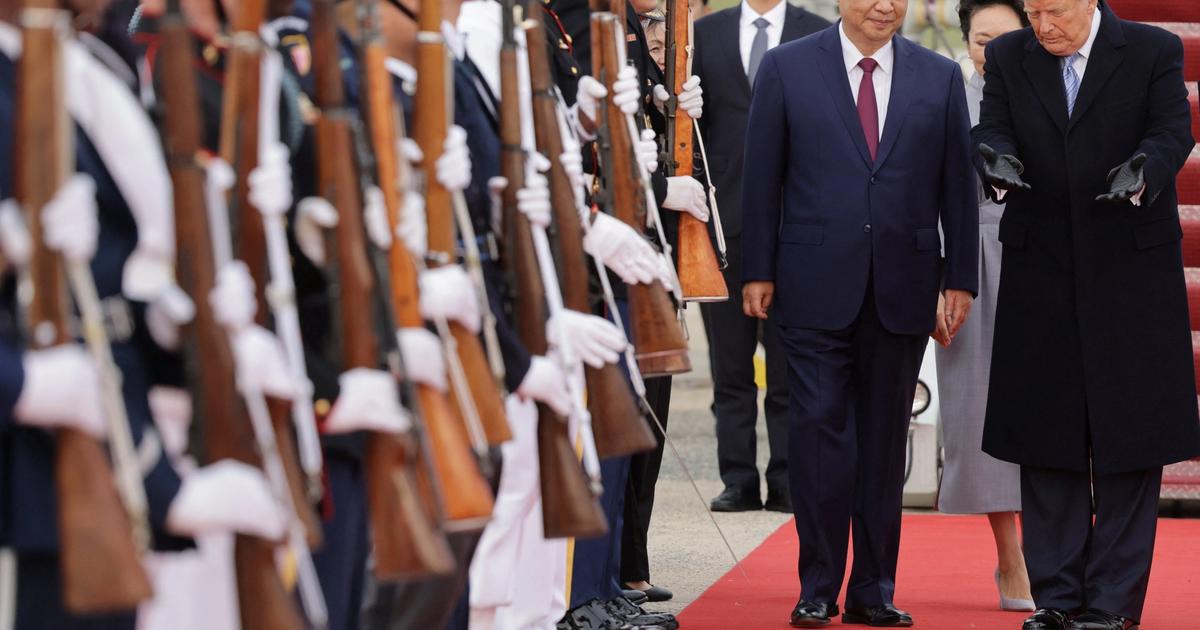
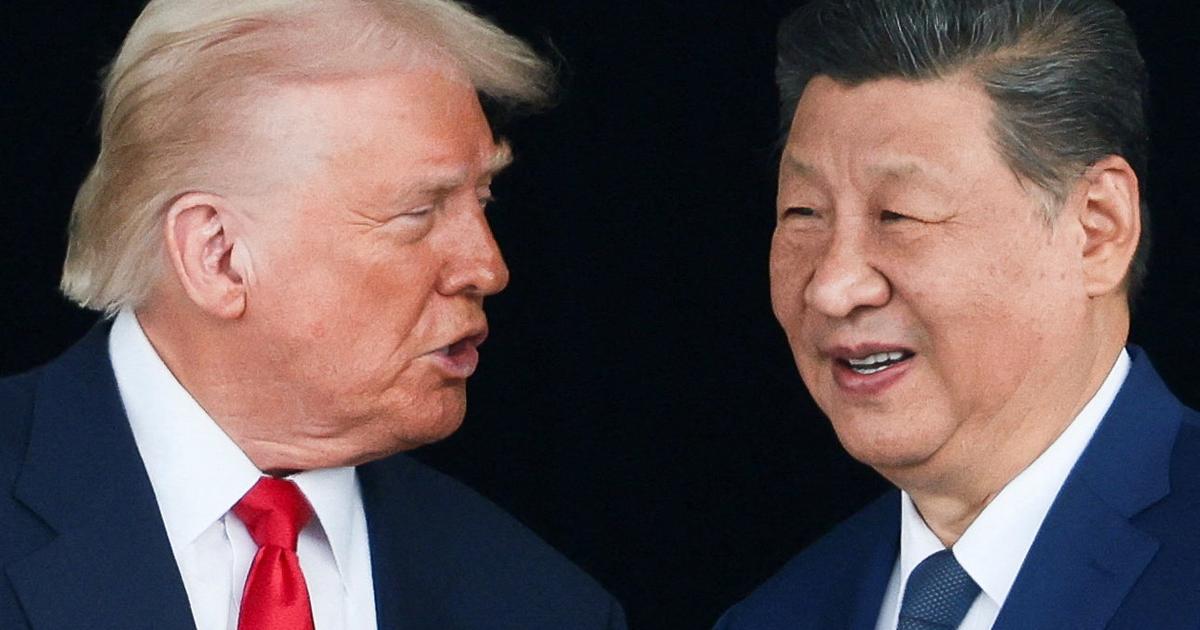
Trump boasts of a “great friendship” with the Chinese strongman — they’ve held two summits so far this year, with plans of another meeting in Shenzhen this month, and a fourth in Miami in December — speaks of a G2 to manage global affairs, and waves away strategic concerns that might strain the bromance. uncertain
that → boast → bromance
(Asked about reports that Chinese satellite imagery was used by Iran to kill US troops, Trump told reporters on Air Force One: “They basically do what we do. asserted
we → ask → what
Yet US policy on China remains very much in play, and debates will surely heat up after the midterms as the race to succeed Trump gets under way across both parties. asserted
race → remain → parties
Although Republican hawks have largely fallen silent in Trump’s second term, within the Beltway a bipartisan tough-on-China consensus is intact. asserted
consensus → fall → China
Foreign policy elites complain that Trump is ceding the Western Pacific to Beijing (Evan Feigenbaum of the Carnegie Endowment mocks the administration″s “reverse pivot from Asia” as the Pentagon diverts warships and marines to the Gulf.) asserted
Pentagon → complain → Gulf
Tech hawks accuse Trump of throwing away the US lead in AI by greenlighting exports of advanced Nvidia chips to China, or turning a blind eye to illicit transfers. asserted
hawks → accuse → transfers
Moreover, such criticisms are likely to intensify if an angry Trump, smarting from midterm defeats, focuses even more of his attention on deal-making with Xi. asserted
Trump → intensify → Xi
Ali Wyne, a US-China specialist at the International Crisis Group, sees bipartisan frustration at Trump’s China policy winding up like a coil, ever more tightly as he gives ground to Xi, and eventually unspooling “violently and unpredictably.” asserted
he → see → Xi
The next president, Wyne told me, will inherit a weaker hand vis-à-vis China and is likely to be “far more permissive of competitive and even confrontational actions.” asserted
Wyne → tell → actions
Certainly, Trump’s successor — from either party — won’t have nearly the same latitude to manage China ties; one former American diplomat calls the president “his own China desk officer.” asserted
diplomat → have → president
(Of course, there’s always a chance that Trump himself will flip before he steps down, as he did at the end of his first term when he blamed Xi for unleashing the pandemic on the world and wrecking his reelection chances. asserted
he → ’ → chances
The late Henry Kissinger, the architect of Nixon’s 1972 opening to China, observed that “America has no permanent friends or enemies, only interests.” asserted
America → observe → friends
In Trump’s ardent pursuit of Xi, critics suggest the US president forgot that lesson. asserted
president → suggest → lesson
Once Trump goes, a return to a colder, harder, more calculating realpolitik is in the cards. asserted
return → go → cards
Notable - In a recent op-ed for The New York Times, Thomas L. Friedman argues that as the world’s leading AI superpowers, with shared interests in safeguarding against AI’s risks, the US and China may be pushed toward “mutually assured collaboration.” uncertain
US → argue → collaboration

💬Give feedback
🕘History 🎫Support