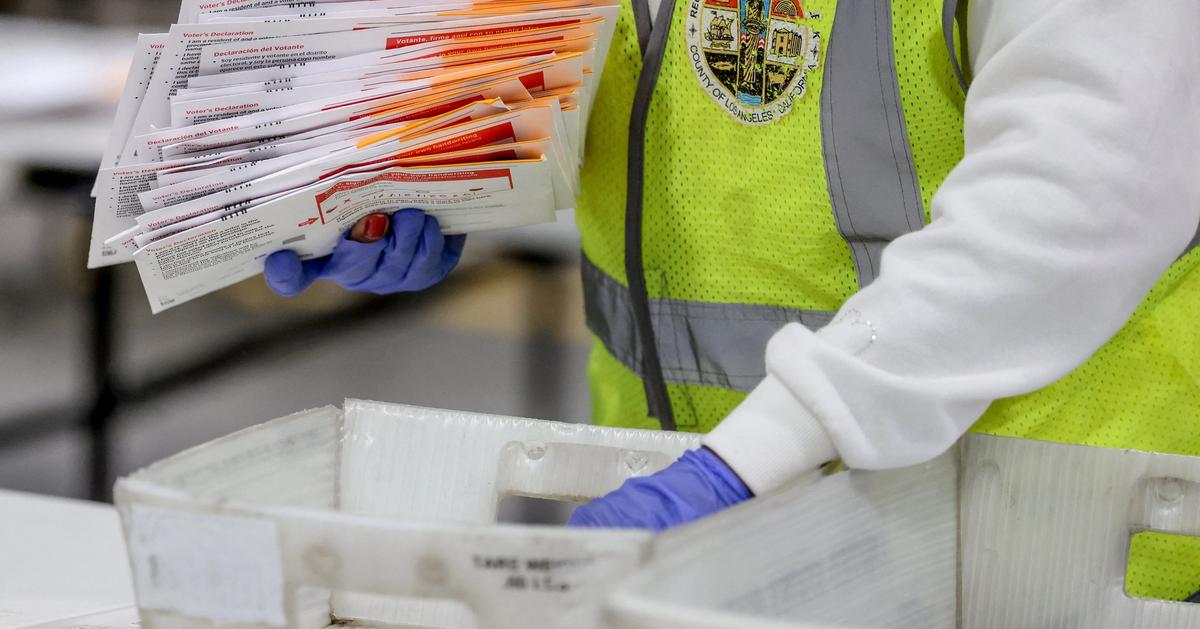
Hundreds of millions of people are watching TV and YouTube closely, chattering and analyzing on social media.
asserted
millions → watch → media
Media companies — like ours — will be there to keep you company, of course, in our case with superb analysis and a thoughtful afternoon livestream.
asserted
companies → keep → analysis
And yet: There’s no other day where the volume of nonsense so outweighs the quantity of new information.
asserted
volume → ’ → information
In the old days of print journalism, before websites, social media, and even cable news required that reporters broadcast nonstop, Election Day was a blast.
asserted
Day → require → journalism
Political reporters could sleep late, have a long lunch, even catch a movie.
uncertain
reporters → sleep → movie
In the afternoon, you’d drop by a polling place for a little “B-matter” — some color and an ambiguous quote or two to bulk out a story in the early edition.
asserted
you → drop → edition
“Voters lined up around the block at P.S. 87 on the Upper West Side to cast their ballots.
asserted
Voters → line → ballots
‘It sure is crowded here,’ said Bob Smith, 70.”
asserted
Smith → say → ?
The modern Election Day media contains three things: anecdotes about how many people are voting; anecdotes about chicanery and hoaxes; and, long after that, results.
asserted
people → contain → that
Early voting trends and stories about how long the lines are in reliably red or blue districts are tempting to use as data points — but are notoriously misleading.
asserted
lines → use → points
You can only vote once, and it doesn’t count more if it comes in early, rather than if you wait until Tuesday to stand on line.
asserted
you → vote → line
X, in particular, is now hyper-charged to reward engagement.
asserted
X → hyper → engagement
A video — real or manipulated — of a machine in Pennsylvania or Arizona appearing to refuse to accept votes for one candidate is engagement gold.
asserted
video → manipulate → candidate
When you see these posts, remember that the US election system is wildly decentralized, secure, and largely offline, and that this story circulates every year.
asserted
story → see → posts
Both parties have a maximal incentive to play up anything like this, both as an early warning in case it’s real, and to motivate voters in any case.
asserted
it → have → case
This is a global phenomenon: Recent elections in Israel and Brazil were marked by wildly viral claims of misconduct — foreign funding of Arab voters in Israel’s case, polls being kept open too late in Brazil’s — that evaporated the next day when they were no longer relevant.
uncertain
they → mark → Brazil
Media companies, of course, have our own incentives to keep you engaged.
asserted
companies → have → you
There will be nonstop panels on TV and livestreams, analysts repeating analysis of days-old polls, and — come afternoon — figures from exit polls suggesting that Hispanics are voting in large numbers, or that the economy is a major issue.
asserted
economy → repeat → numbers
(These exit poll analyses are both largely useless and often corrected in the days after the election, but they fill the air.)
asserted
they → correct → air
So, Election Day is a good day to sleep late, see You Can See Everything (if you haven’t yet), and, of course … watch our livestream.
asserted
you → sleep → livestream
Then when the polls start closing at 6 pm EST, the news arrives: Numbers start rolling in to replace the chatter.
asserted
Numbers → start → chatter
There could be substantive news to follow if the Trump administration acts to disrupt voting on Election Day, as some suspect will happen.
uncertain
some → follow → Day
A group of Democratic state officials and voting rights advocates “have been planning how to respond if, indeed, there is real federal interference.
asserted
group → plan → officials
The group has ‘war-gamed’ how to react if government agents attempt to commandeer voting equipment or ballots,” ProPublica reports.
asserted
ProPublica → game → equipment
 The Aporia