How NPR makes race calls in the 2026 election
asserted
NPR → make → election
How NPR makes race calls in the 2026 election
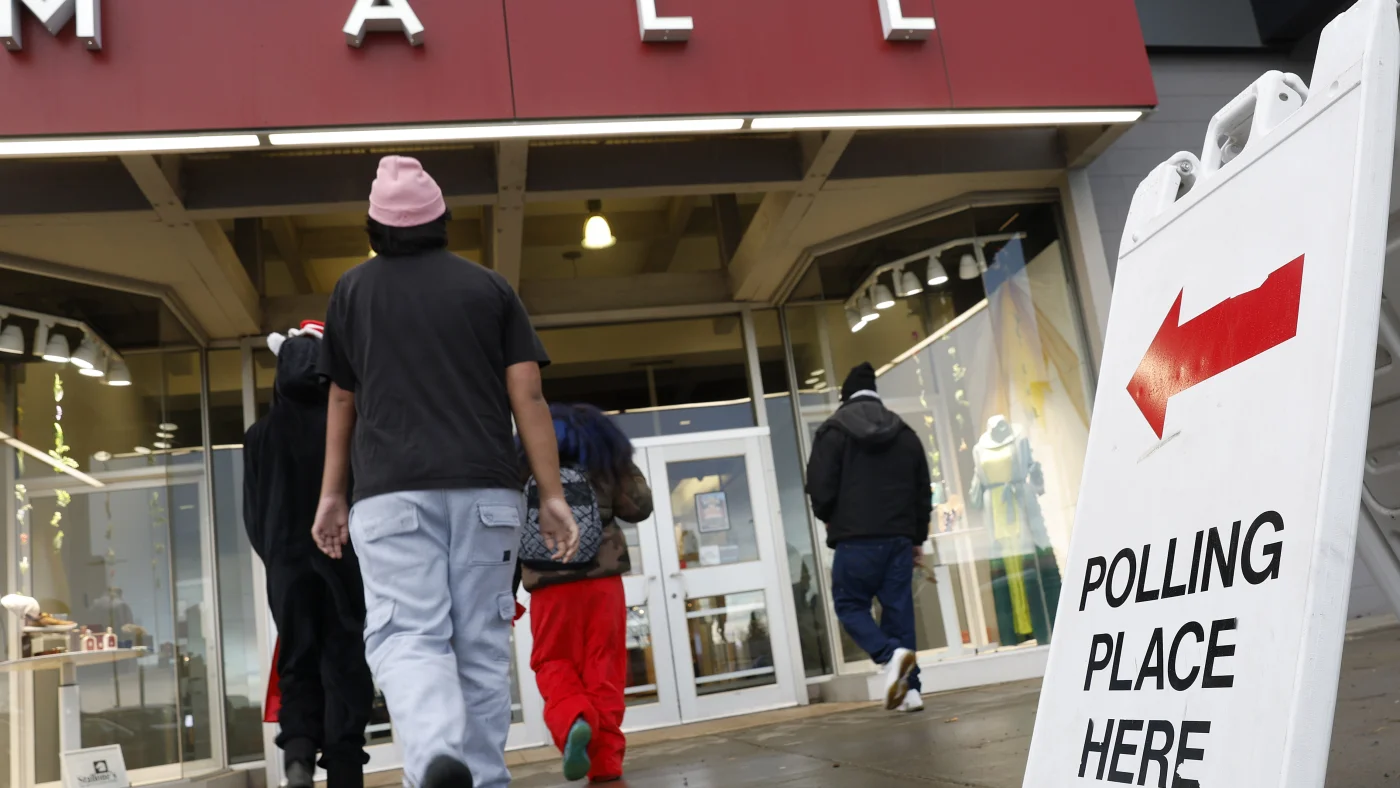
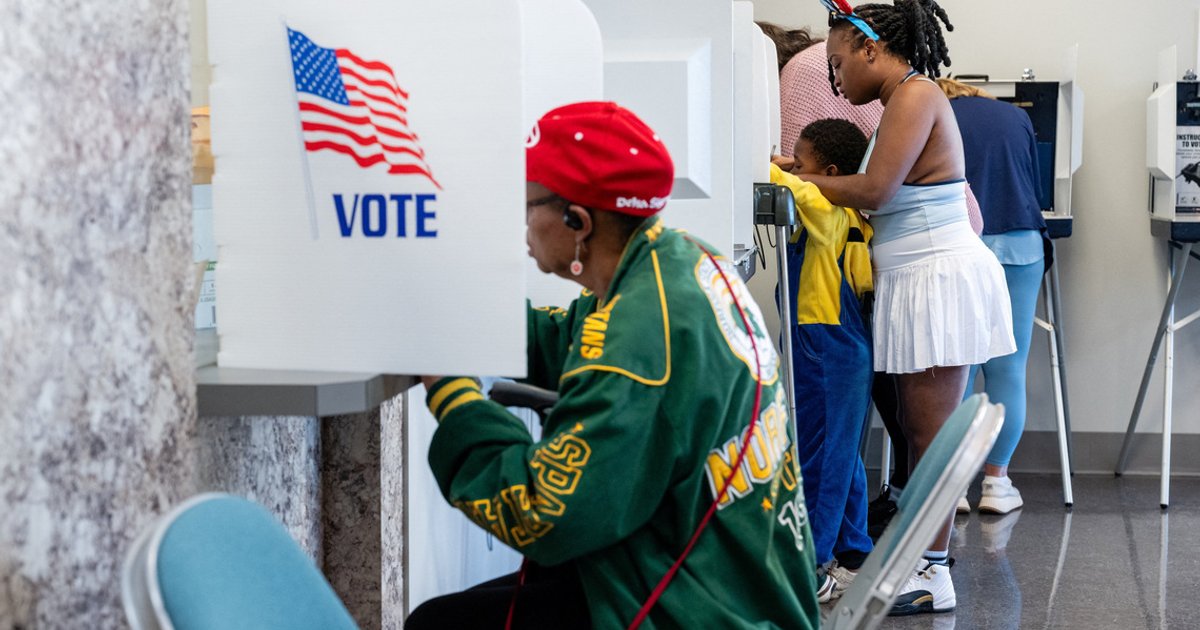
Voters are voting, ballots are being counted and results are starting to come in for 435 House races, 35 Senate races and 36 gubernatorial contests as well as ballot measures and thousands of state legislative seats.
asserted
results → make → seats
But how will NPR call races on election night?
asserted
NPR → call → night
Determining a winner in any of the many races across the country is a big job.
asserted
Determining → determine → country
That's why NPR partners with the Associated Press — and has for many years — to ensure that races are called accurately.
asserted
races → partner → years
The Associated Press has been calling races since 1848 and even now, nearly 180 years later, the process for making those calls is pretty simple.
asserted
process → call → calls
Here's how the AP explains its race calling process:
asserted
AP → explain → process
Race callers collaborate with analysts who focus on statewide races, such as those for U.S. Senate and governor, and elections for the U.S. House of Representatives.
asserted
who → collaborate → Representatives
The decision editors on AP's Decision Team sign off on every race call for president, U.S. Senate and governor, as well as races of significance for U.S. House.
asserted
editors → sign → House
Together, they are looking at far more than just the overall vote totals.
asserted
they → look → totals
They study the incoming vote county by county.
asserted
They → study → county
In states where the information is available, they look at the vote by type of ballot: cast in person at polling places, or in advance by mail or in person.
asserted
they → look → person
They are also in constant contact with AP's vote count team, in search of the latest information about what's been counted so far and how many ballots may still be left to count.
uncertain
ballots → count → information
Once AP has an idea of how many ballots are outstanding versus how many have been counted, their staff can start to tabulate the likelihood of a certain winner being victorious in a certain contest based on a lot of different factors: where the ballots that are outstanding are coming from, what the makeup of those communities looks like and even, how the individual chose to vote.
asserted
individual → have → communities
For NPR's part, once the AP calls a race, we will alert our broadcast and digital audiences on air as part of special coverage and online through digital stories.
asserted
we → call → stories
We also ensure that our hundreds of member stations also have access to that information.
asserted
hundreds → ensure → information
We will use AP's data to populate our election results pages so viewers can keep track, in real time.
asserted
viewers → use → time
How are races called when not all votes have been counted?
But sometimes, races might be called without all — or even most — of the vote counted.
uncertain
all → call → vote
The Associated Press explained in 2024 that it uses that same calculation of ballots, external factors and other data to inform its decisions.
asserted
it → explain → decisions
In almost all cases, races can be called well before 100% of the votes have been counted.
asserted
% → call → votes
The AP's team of election journalists and analysts will call a race as soon as a clear winner can be determined.
asserted
winner → call → race
That may sound obvious, but it is the guiding principle that drives the organization's election race-calling process.
uncertain
that → sound → process
The AP's race calls are not predictions and are not based on speculation.
asserted
calls → base → speculation
They are declarations based on an analysis of vote results and other election data that one candidate has emerged as the winner and that no other candidate in the race will be able to overtake the winner once all the votes have been counted.
asserted
votes → base → winner
It sounds simple, right?
asserted
It → sound → ?
The AP won't call races until "a clear winner can be determined."
asserted
winner → call → races
But that doesn't always require all of the votes for every precinct for every race.
asserted
that → require → race
Sometimes it's all about the math: can this candidate feasibly win with the votes outstanding in the places they are yet to be counted?
asserted
they → win → places
And that raises another, really important point.
asserted
that → raise → point
The AP – and therefore NPR – will not project races.
asserted
AP → project → races
The team at the AP will wait until it has certainty to call raises and that is why its race calls are trusted by hundreds of news organizations, including NPR.
asserted
calls → wait → NPR
Because they wait until there is surety, even if it means waiting just a bit longer to be sure.
asserted
it → wait → ?
On an ethical note, NPR will not make race calls just because a candidate declares victory, nor will NPR use a concession speech or statement to make a race call either.
asserted
NPR → make → call
AP does not make projections or name apparent or likely winners.
asserted
AP → make → winners
If our race callers cannot definitively say a candidate has won, we do not engage in speculation.
asserted
we → say → speculation
For example, AP did not call the closely contested race in 2000 between George W. Bush and Al Gore – we stood behind our assessment that the margin in Florida made it too close to say who won.
asserted
who → call → Florida
AP only calls a race when we are fully confident that race has been won – defined most simply as the moment the trailing candidates no longer have a path to victory.
asserted
candidates → call → victory
When AP makes a race call, we back it up with transparent reporting into the research and analysis that led us to say with certainty who has won.
asserted
who → make → certainty
This explanatory journalism is as much a hallmark of our coverage of U.S. elections as the race calls themselves.
asserted
race → call → themselves
Counting voters can take a while.
asserted
voters → count → while
…and 2 more, not listed.
 The Aporia