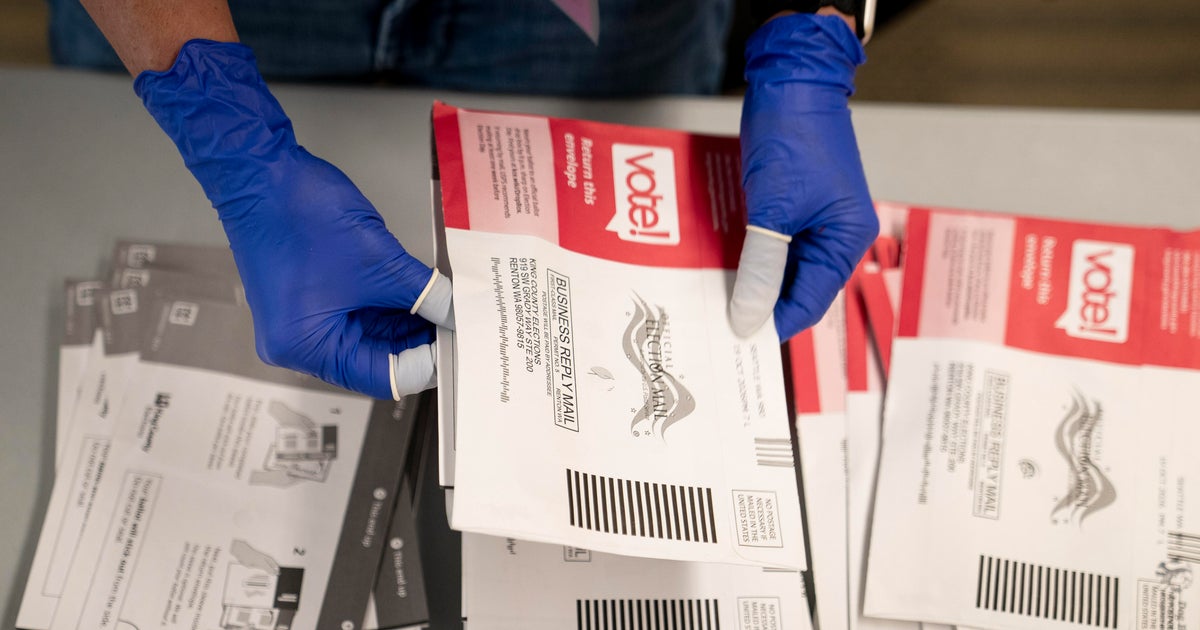
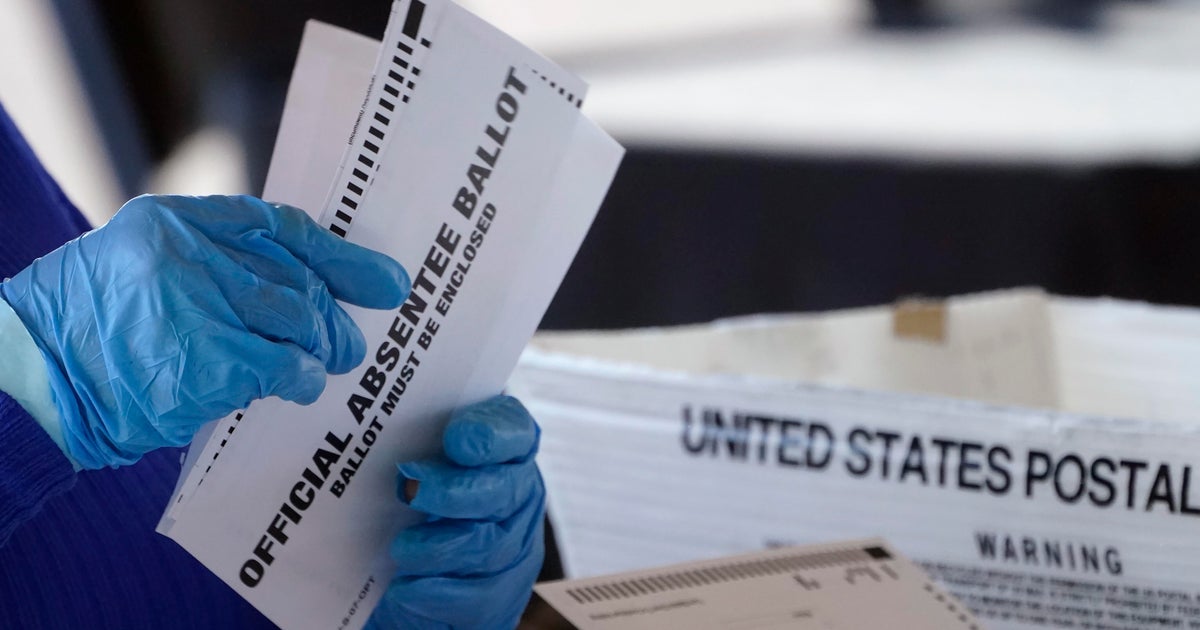
Voters in Alaska are going to the polls to cast their ballots in key races, including a Senate election that has garnered widespread attention amid scrutiny over the presence of a
as the sitting senator, Dan Sullivan.
asserted
that → go → senator
Alaska's election system itself has also been in the spotlight in recent years, since the state instituted a top-four nonpartisan primary and ranked choice voting in the general election.
asserted
state → institute → election
Here's what to know about Alaska's voting system:
What is ranked choice voting?
Ranked choice voting allows voters to rank as many or as few candidates as they'd like in order of preference, rather than selecting a single candidate on the ballot.
asserted
they → know → ballot
First implemented in 2022, the unique system aims to stymie polarization by moving the state away from party primaries.
asserted
system → implement → primaries
Instead, the top four candidates in the nonpartisan primary move on to the general election.
asserted
candidates → move → election
On Tuesday, if any candidate secures support from more than 50% of voters as their top choice, they win.
asserted
they → secure → choice
But if nobody wins an outright majority, the count goes to a second round.
asserted
count → win → round
The candidate with the fewest votes is eliminated, and their supporters' votes are redistributed to their second choice.
asserted
votes → eliminate → choice
That process continues until one candidate wins a majority.
asserted
candidate → continue → majority
For example, say 100 people voted in the Alaska Senate race.
asserted
people → say → race
Fifty of those voters ranked Candidate A as their top choice, 40 picked Candidate B, seven picked Candidate C and three picked Candidate D.
asserted
three → rank → D.
Since no candidate reached 51 votes in the first round, Candidate D — the one with the fewest votes — would be eliminated in the second round of counting.
asserted
D → reach → counting
The voters who ranked Candidate D first would then have their second-choice candidates tabulated.
asserted
candidates → rank → D
If one of those three votes went to Candidate A, Candidate A would have 51 votes and win.
asserted
A → go → votes
If not, the process would repeat.
asserted
process → repeat → ?
In 2022, a special election was held to fill a vacancy in the House, and three candidates faced off under the new system.
asserted
candidates → hold → system
No candidate won more than 50% of first-choice votes, and the contest went to the ranked choice tabulation.
asserted
contest → win → tabulation
Democrat Mary Peltola secured a majority in results that came 15 days after Election Day.
asserted
that → secure → Day
Later that year, as she sought election to a full term, Peltola also won on the second round, with 55% of the voters after an initial 48.8%.
asserted
Peltola → seek → %
Alaska's Senate race could be key to determining control of the upper chamber.
uncertain
race → determine → chamber
Voters will be presented with four choices: Sen. Dan S. Sullivan, the GOP incumbent; Daniel J. Sullivan, a candidate with nearly the same name; Gerald Heikes, another Republican; and Peltola.
asserted
Voters → present → name
Sen. Sullivan is a second-term senator and a Marine veteran who worked at the State Department during the George W. Bush administration.
asserted
who → work → administration
His main opponent is Peltola, who became the first Democrat to represent the state in the House in 50 years in 2022.
asserted
who → become → 2022
But Daniel J. Sullivan has added a wrinkle to the race.
asserted
Sullivan → add → race
The second Sullivan is a former teacher who announced he was challenging the sitting senator in June, prompting an unsuccessful push to remove him from the ballot.
asserted
he → announce → ballot
Daniel J. Sullivan's decision to run sparked a legal fight over his eligibility to appear on the primary ballot that played out in state court over the summer.
asserted
that → run → summer
The state supreme court eventually
to remain on the ballot and directed Alaska's Division of Elections to determine how he should be listed.
asserted
he → remain → Elections
During
in August, Peltola garnered 49.5% of the vote, followed by Dan Sullivan, the senator, at 41.4%.
asserted
Peltola → garner → %
The retired teacher, Daniel J. Sullivan, won just 2.5%.A sample ballot for the general election shows the senator listed as "Sullivan, Dan S. (Registered Republican) Incumbent."
asserted
senator → retire → Sullivan
Daniel J. Sullivan has no identifiers beyond his name.
asserted
Sullivan → have → name
Still, the candidacy of Daniel J. Sullivan raised concerns that it could lead to voter confusion and
by the Justice Department to intervene.
uncertain
it → raise → Department
The Trump administration filed a lawsuit late last month that sought to block Alaska election officials from certifying the results of the Senate election if Dan S. Sullivan, the Republican incumbent, loses to Peltola.
asserted
Sullivan → file → Peltola
But on Sunday, a federal judge
, finding that the federal government did not have the legal right to sue.
asserted
government → find → right
The Justice Department has said it will appeal.
asserted
it → say → ?
Amid the litigation, the New York Times reported last week that there was a secret effort by political operatives aligned with Peltola's campaign to help recruit Daniel J. Sullivan to peel voters away from the senator.
asserted
Times → report → senator
Peltola has denied any involvement in the alleged plan.
asserted
Peltola → deny → plan
How long could counting votes in Alaska's ranked choice voting system take?
uncertain
counting → count → system
Conducting the election in Alaska is expected to take some time, experts have warned, emphasizing the need for patience as the Senate race holds the potential to play a key role in the balance of power in Washington.
asserted
race → conduct → Washington
Part of the lengthy process could come from Alaska's sprawling geography, remote locations and mail ballots, since Alaska counts mail ballots received 10 days after Election Day, or 15 days in some cases.
uncertain
Alaska → come → cases
Tabulation rounds in Alaska's ranked choice voting system also begin after the last counting of ballots 15 days after Election Day, meaning if one candidate does not secure more than 50% of first-place support on the ballot, the process could drag on for weeks.
uncertain
process → rank → weeks
…and 2 more, not listed.
 The Aporia