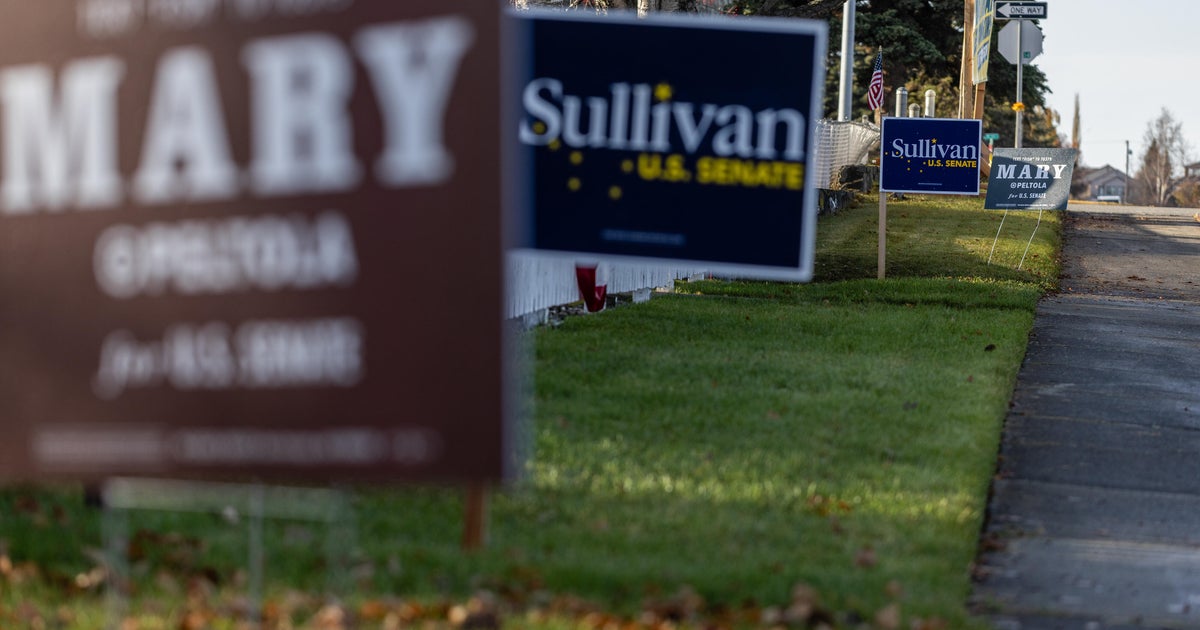
An underappreciated facet of the controversy that has rocked the Alaska Senate race: Voting reforms adopted by the state in 2020 will likely blunt the effectiveness of an apparent Democratic scheme to place a second candidate named Dan Sullivan on the ballot.
asserted
reforms → rock → ballot
And an additional twist: Voters in the state have a chance to undo those election reforms on Tuesday night.
asserted
Voters → undo → night
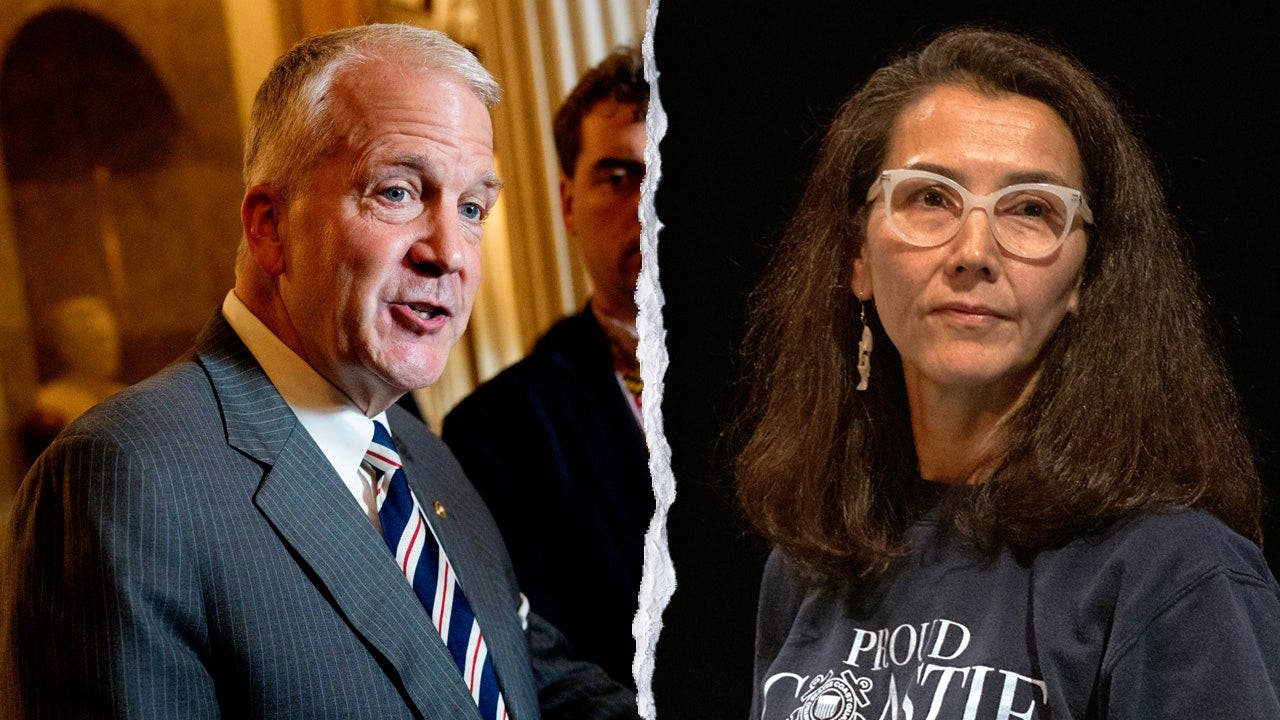
Alaskans may determine which party controls the Senate, but the race has been complicated by a second candidate with nearly the same name as incumbent Sen. Daniel S. Sullivan (R–Alaska).
uncertain
race → determine → Sullivan
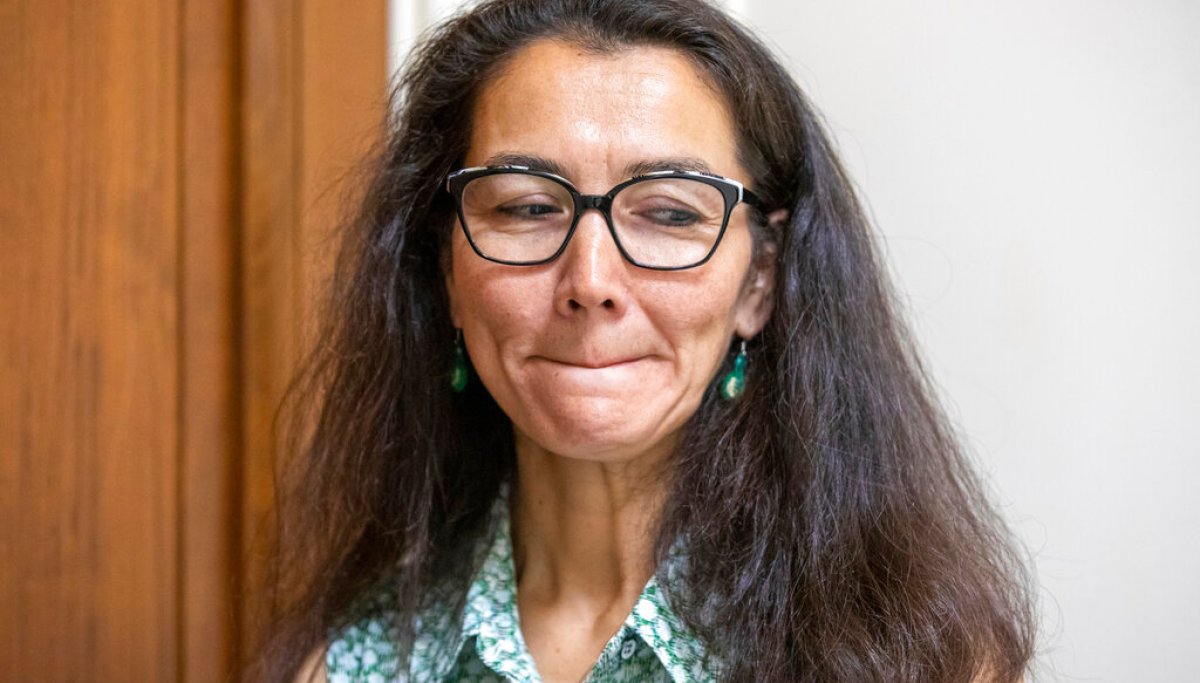
The New York Times reported last week that Democratic challenger Mary Peltola's campaign was behind the maneuver to get Dan J. Sullivan, a retired teacher, on the ballot.
asserted
campaign → report → ballot
Peltola denies the accusation, but the Times' reporting looks sound, and the potential impact seems clear—the incumbent may lose some share of votes meant for him because voters mistakenly tab the wrong Sullivan.
uncertain
voters → deny → Sullivan
A federal judge on Sunday dismissed a Trump administration lawsuit that sought to block the certification of results in the race preemptively.
asserted
that → dismiss → race
The scheme is playing out against the backdrop of Alaska's unusual electoral system.
asserted
scheme → play → system
The state has an open primary, and its top four vote-getters then advance to the general election—a model more similar to a "regular season" and "playoffs" format familiar to sports fans than to the process most states use.
asserted
states → have → process
In the primary round, held in August, Peltola and the incumbent Sullivan were the clear frontrunners.
asserted
Peltola → hold → August
The other Sullivan finished third.
asserted
Sullivan → finish → ?
The fourth-place finisher, a Democrat, withdrew from the general election and was replaced on the ballot by the fifth-place finisher, Republican Gerald Heikes.
asserted
finisher → withdraw → finisher
Critics of the top-four primary might see this controversy as an indictment of that electoral reform model.
uncertain
Critics → see → model
After all, the second Sullivan may not have been on the general election ballot if there had been a more typical partisan primary that could have eliminated him.
uncertain
that → eliminate → him
That conclusion, however, misses the other half of Alaska's new electoral system.
asserted
conclusion → miss → system
The general election uses ranked choice voting to determine a winner.
asserted
election → use → winner
That ought to limit the second Sullivan's ability to sway the outcome.
asserted
That → limit → outcome
To illustrate why, let's assume for the sake of argument that every single vote cast for Daniel J. Sullivan is an accident.
asserted
vote → illustrate → Sullivan
He got 2.5 percent in the primary, so let's also assume that he repeats that performance.
asserted
he → get → performance
Voters who are confused by the two Sullivans are likely to list the incumbent, Daniel S. Sullivan, as their second choice on the ranked choice ballot.
asserted
who → confuse → ballot
As the votes are tallied, the candidate with the fewest first-place votes is eliminated, and his or her ballots are redistributed according to voters' second choice.
uncertain
ballots → tally → choice
When one Sullivan is eliminated, you'd expect most of his votes to be reallocated to the other Sullivan.
asserted
most → eliminate → Sullivan
Not every confused voter will list both Sullivans.
asserted
voter → list → Sullivans
But without the ranked choice system, he'd lose all of that 2.5 percent of the vote.
asserted
he → rank → vote
Thanks to Alaska's ranked choice system, the effect will be much smaller.
asserted
effect → rank → system
Of course, Peltola may get an outright majority on the first round of counting, as she nearly did in the primary.
uncertain
she → get → primary
If so, then Sullivan has nothing to complain about.
asserted
Sullivan → have → nothing
He would have lost no matter how the votes are counted.
asserted
votes → lose → ?
Amid all this controversy, Alaskans are also deciding this week whether to keep those electoral reforms.
asserted
Alaskans → decide → reforms
Ballot Measure 2 asks voters if they want to repeal the current voting system and revert to the old model of partisan primaries and first-past-the-post general elections.
asserted
they → ask → post
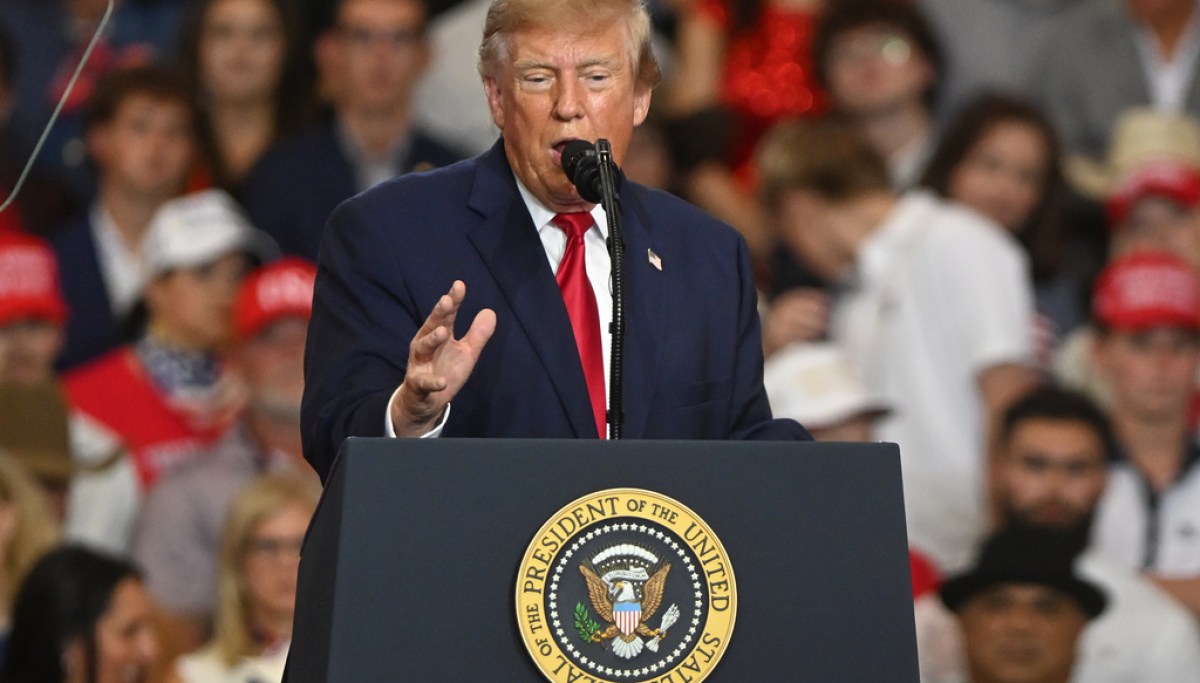
Both President Donald Trump and Alaska Gov. Mike Dunleavy have campaigned for the repeal.
asserted
Trump → campaign → repeal
Many top state officials oppose the ballot measure, as does the Libertarian Party of Alaska.
asserted
Party → oppose → Alaska
On the other side of the country, voters in Massachusetts are also being asked about election reforms on this year's ballot.
asserted
voters → ask → ballot
Question 3, if approved, would eliminate party primaries for statewide offices and implement a single ballot primary, with the top two candidates in the primary round advancing to the general election.
asserted
candidates → approve → election
A top-two primary versus a top-four primary (as Alaska uses) would eliminate the sort of shenanigans that the Peltola campaign has allegedly tried to pull.
uncertain
campaign → use → that
On the other hand, a top-two primary effectively freezes out smaller parties and independent candidates—as has happened in California since the state adopted that model in 2011.
asserted
state → freeze → 2011
Despite becoming a lightning rod for controversy this year, the ranked choice approach is part of the solution, not the problem.
asserted
approach → become → solution
 The Aporia