Iran said Monday it had a two-day plan to reopen the Strait of Hormuz and resume nuclear talks with the United States, shortening a process originally expected to take seven days.
asserted
it → say → days
The U.N. migration agency said more than 300,000 people in Yemen had fled renewed fighting.
asserted
people → say → fighting
China, meanwhile, is sending a special envoy to Iran, Saudi Arabia and Oman.
asserted
China → send → Iran
Iran's 2-day plan to reopen the Strait of Hormuz, resume nuclear talks
Iran said it had a two-day plan to reopen the Strait of Hormuz and resume nuclear talks with the U.S. if Washington meets its demands.
asserted
Washington → reopen → demands
The announcement came as the region braces for possible renewed fighting, even as Iran’s top diplomat said Sunday that he hoped the U.S. would choose “diplomacy over other paths.”
asserted
U.S. → come → paths
Iran previously said the plan could be implemented within a week if the U.S. met seven conditions, including lifting its blockade of Iranian ports.
uncertain
U.S. → say → ports
Iran now says ships passing through the reopened strait would have to follow a route agreed upon by Iran and Oman and travel under Iranian supervision.
asserted
ships → say → supervision
Separately, Iranian officials have said the U.S. must lift sanctions on Iranian oil sales and agree to a ceasefire that would include Lebanon.
asserted
that → say → Lebanon
Iranian Foreign Ministry spokesperson Esmail Baghaei said the plan remained the basis for negotiations with Washington through mediators, despite the shorter implementation timeline.
asserted
plan → say → timeline
“This once again demonstrates Iran’s good-faith approach,” he added.
asserted
he → demonstrate → approach
Baghaei gave no indication that Tehran had changed its demands or that Washington had accepted its proposal.
asserted
Washington → give → proposal
President Donald Trump has alternated between pursuing diplomacy and threatening heavy bombing of Iran in his public comments.
asserted
Trump → alternate → comments
More than 300,000 Yemenis have fled fighting, UN says
The U.N. migration agency said the people are struggling to find shelter and life essentials, as aid groups face limited access to those in need.
asserted
groups → flee → need
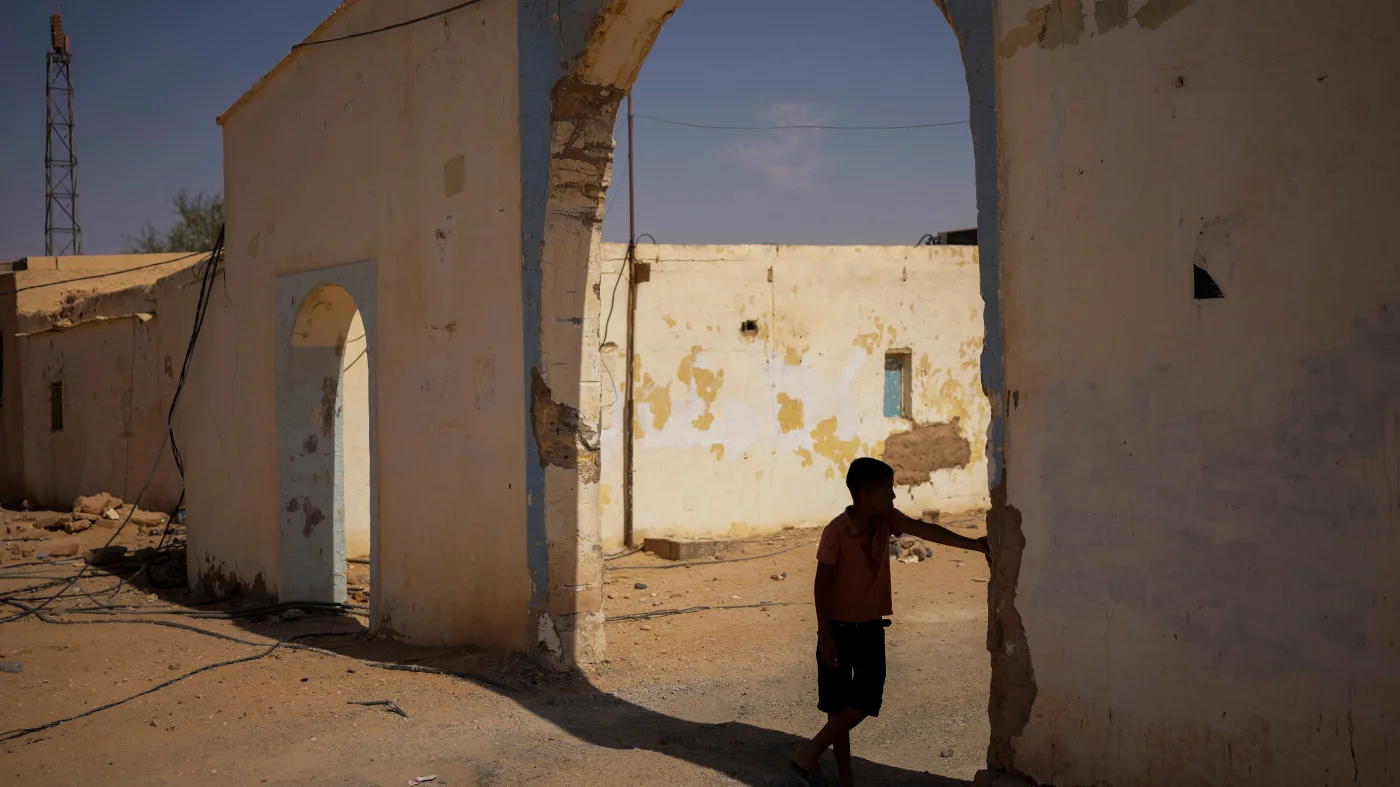
They have fled as renewed fighting between Iran-backed Houthi rebels and the Saudi-backed government forces broke a four-year truce, exacerbating an already dire humanitarian situation in one of the Middle East's poorest countries.
asserted
fighting → flee → countries
Taiz province, in southwestern Yemen, continues to take in displaced families, but many are fleeing south to Aden, which has now received more than 56,000 people, according to the latest figures by the International Organization for Migration.
uncertain
which → continue → Migration
“After years of conflict, families in Yemen are being forced to flee yet again, often with little more than the clothes on their backs,” Abdusattor Esoev, head of the IOM's mission in Yemen, said Sunday.
asserted
Esoev → force → Yemen
“They urgently need shelter, food, clean water and health care.
asserted
They → need → shelter
Without more funding, thousands of families could be left without the help they urgently need,” he added.
uncertain
he → leave → help
China to send special envoy to Iran and the Gulf
asserted
China → send → Iran
China said Monday it plans to send a special envoy to Iran, Oman and Saudi Arabia in early to mid-November.
asserted
it → say → November
Foreign Ministry spokesperson Mao Ning told reporters the envoy would focus on easing tensions and promoting regional stability.
asserted
envoy → tell → stability
The Gulf region “should not become an arena for great-power rivalry and geopolitical conflict,” Chinese President Xi Jinping told Oman’s Sultan Haitham bin Tariq Al Said on Monday, according to a readout of their meeting.
uncertain
Jinping → become → meeting
The move comes as China seeks to expand its influence in the rapidly changing region, which it depends on for a large share of its oil.
asserted
it → come → oil
Strikes on Gaza kill 2
Two Israeli airstrikes killed two men in southern Gaza early Monday, according to Nasser Hospital, where their bodies were taken.
uncertain
bodies → kill → Hospital
One strike killed a man in his home; the other killed a man in a tent.
asserted
other → kill → tent
The Israeli military did not immediately respond to a request for comment.
asserted
military → respond → comment
Major fighting between Israel and Hamas largely halted under the October 2025 ceasefire.
asserted
fighting → halt → ceasefire
Israel continues to launch near-daily strikes on Gaza that it says target militants, though the strikes regularly kill or injure women and children.
asserted
strikes → continue → women
Israel says Hamas uses civilians as human shields.
asserted
Hamas → say → shields
About 1,580 Palestinians have been killed since the ceasefire began, bringing the overall death toll to more than 74,500, according to Gaza’s Health Ministry.
uncertain
ceasefire → kill → Ministry
The ministry, part of the Hamas-run government, does not distinguish between civilians and militants.
asserted
ministry → distinguish → civilians
This report will be updated throughout the day as new developments emerge.
asserted
developments → update → day
 The Aporia