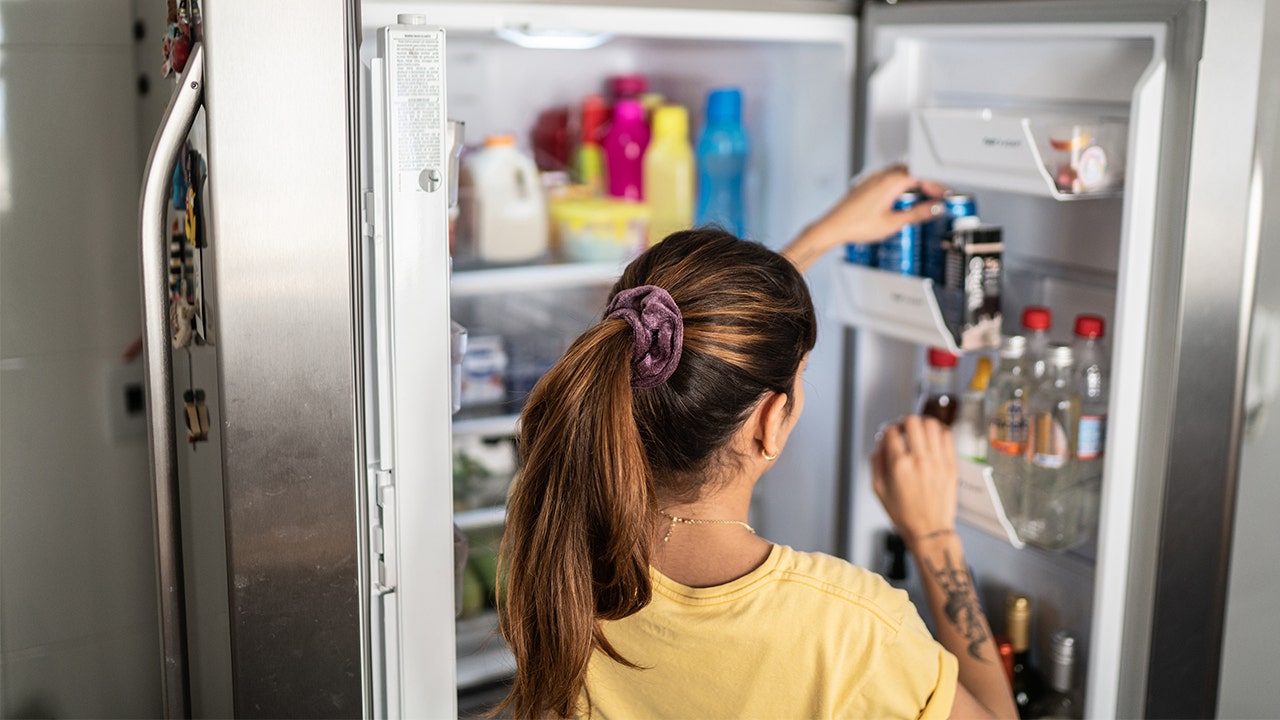
A year after Diet Coke's "fridge cigarette" nickname took hold on social media, Coca-Cola's CEO is weighing in — and he doesn't seem bothered by it.
asserted
he → take → it
During a recent interview with Yahoo Finance, Coca-Cola CEO Henrique Braun was asked whether he liked the viral nickname.
asserted
he → ask → nickname
"The nickname ... the consumers call it ... the way they want to call it," Braun said.
asserted
Braun → call → it
"The most important thing to us is that we don't position Diet Coke in that way," he added.
asserted
he → position → way
"What we do is that it's a great tasting product which connects with the consumer in a very unique way."
asserted
which → taste → way
Braun also pointed to Coca-Cola's growing use of social media and digital technology, though he did not directly link those efforts to the viral nickname.
"
asserted
he → point → nickname
We have been incorporating digital tech and AI into our plans and communicating with consumers," he said.
asserted
he → incorporate → consumers
He added that the company is "really excited about the prospects of growth."
Fox News Digital reached out to Coca-Cola for comment and more information.
asserted
Digital → add → comment
The company's latest earnings figures show that Diet Coke is gaining momentum.
asserted
Coke → show → momentum
"The crisp sound, the carbonation and the cold hit all offer a quick, reliable burst of stimulation or relief."
asserted
sound → offer → stimulation
The company's latest quarterly earnings report, released Oct. 27, indicated that global sales volume for Diet Coke and Coca-Cola Light increased 6% in the third quarter of 2026, driven by growth in North America and Asia Pacific.
asserted
volume → release → America
The brands also recorded volume growth of 6% in the first quarter and 7% in the second quarter, following a year of flat global volume in 2025.
But the viral nickname has also raised questions about the habits behind Diet Coke's popularity.
asserted
nickname → record → popularity
Jonathan Alpert, a New York City-based psychotherapist, previously told Fox News Digital that the appeal of the "fridge cigarette" trend is rooted partly in the sensory experience of drinking Diet Coke.
asserted
appeal → base → Coke
"The crisp sound, the carbonation and the cold hit all offer a quick, reliable burst of stimulation or relief, especially during stressful or transitional moments in the day," Alpert said.
asserted
Alpert → offer → day
Alpert described Diet Coke as a potential "emotional stand-in," but cautioned against relying on it as a coping mechanism.
asserted
Alpert → describe → mechanism
While opting for soda is "certainly a healthier choice than cigarettes," Alpert warned that the trend is not totally harmless.
asserted
trend → opt → cigarettes
"When Diet Coke becomes a daily emotional crutch, it can reinforce dependency patterns, particularly if it is being used to manage anxiety, suppress appetite or avoid discomfort," he said.
asserted
he → become → discomfort
Debra Muth, a Wisconsin-based naturopathic doctor, previously expressed concerns about the potential effects of artificial sweeteners on the brain's reward system.
asserted
Muth → base → system
"Your brain isn't asking for aspartame or nicotine.
asserted
brain → ask → aspartame
It's asking for dopamine," Muth told Fox News Digital.
asserted
Muth → ask → Digital
"That artificial sweetener crosses your blood-brain barrier and actually makes the neurotransmitter depletion worse.
asserted
depletion → cross → barrier
You're literally borrowing from tomorrow's brain chemistry."
asserted
You → borrow → chemistry
She added, "Both nicotine and Diet Coke hijack your dopamine pathways."
Muth argued that replacing cigarettes with soda amounts to "trading one bad habit for another."
Instead, she recommended giving "your brain what it actually needs, such as amino acids like L-tyrosine for natural dopamine production, balanced blood sugar and real stress management that restores your brain's reward system."
asserted
that → add → system
 The Aporia