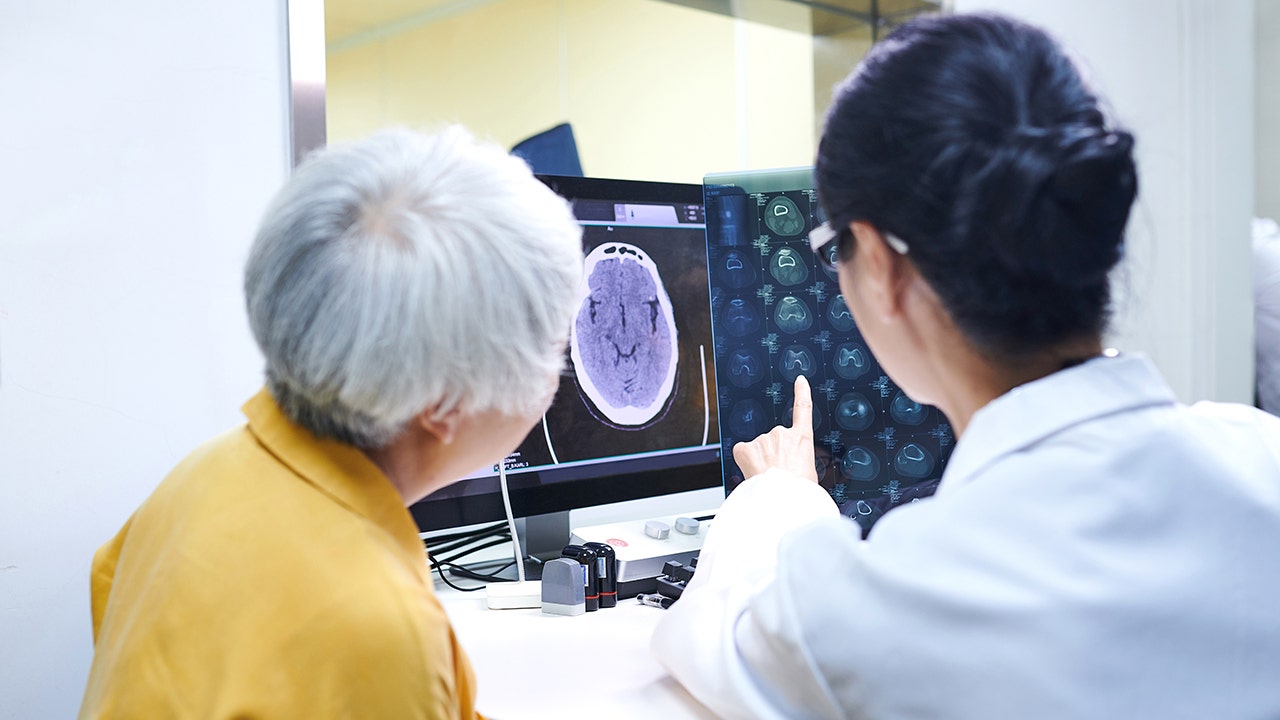
Maybe you've gone through several tests, only to hear that your doctor still isn't sure what's causing your symptoms.
asserted
what → go → symptoms
That uncertainty can be exhausting, especially when you want answers.
asserted
you → want → answers
Now, Microsoft says its new artificial intelligence system could help doctors solve some of medicine's toughest diagnostic puzzles.
uncertain
doctors → say → puzzles
In a study published on Oct. 22 in the journal Science, Microsoft's AI diagnostic system correctly identified 83% of complex medical cases, compared with 36% for generalist physicians who could consult reference materials.
uncertain
who → publish → materials
The research took place in a simulation, and the doctors weren't specialists working together on difficult cases.
asserted
doctors → take → cases
Still, the findings raise a fascinating question about how artificial intelligence could change your next visit to the doctor.
uncertain
intelligence → raise → doctor
Our free CyberGuy LIVE class, 5 Ways to Travel Smarter and Save Money, has ended, but you can still watch the full replay.
asserted
you → travel → replay
Kurt "CyberGuy" Knutsson walks you through five practical ways to protect your phone and personal information, avoid common travel scams, find better deals, save money on bookings and use technology to make your travels easier and less stressful.
asserted
travels → walk → technology
No technical experience is needed.
asserted
experience → need → ?
How Microsoft's AI diagnostic system works
Microsoft calls its technology the MAI Diagnostic Orchestrator, or MAI-DxO. The system uses multiple AI agents that work together much like a panel of doctors discussing a difficult medical case.
asserted
that → work → case
Instead of jumping to an immediate answer, the AI begins with limited information.
asserted
AI → jump → information
It asks follow-up questions and considers which medical tests might help identify the problem.
uncertain
tests → ask → problem
Then, its AI agents challenge one another's conclusions as new information becomes available.
asserted
information → challenge → conclusions
Think about someone who has unexplained fatigue and several unusual lab results.
asserted
who → think → fatigue
A doctor might consider one possible explanation before ordering additional tests.
uncertain
doctor → consider → tests
Microsoft's system can examine multiple possibilities and reconsider its initial assessment as the evidence changes.
asserted
evidence → examine → assessment
That approach could prove especially useful when symptoms overlap across different diseases.
uncertain
symptoms → prove → diseases
According to Microsoft's published findings, researchers evaluated the technology using 304 complex medical cases from The New England Journal of Medicine .
uncertain
researchers → accord → Medicine
These cases often involve unusual illnesses that challenge even experienced physicians.
asserted
that → involve → physicians
MAI-DxO correctly diagnosed approximately 83% of those cases.
asserted
DxO → diagnose → cases
Generalist physicians working alone achieved 36% accuracy when they could use reference materials.
uncertain
they → work → materials
Without those resources, their accuracy dropped to 22%.
asserted
accuracy → drop → %
Researchers also tested the system using historical emergency department cases.
asserted
Researchers → test → cases
There, the AI achieved approximately 80% accuracy, compared with 47% for the physician comparison group.
asserted
AI → achieve → group
Why the AI versus doctors comparison needs a closer look
Before anyone starts canceling doctor appointments, there's something important to understand about this research.
asserted
anyone → need → research
The physicians in the comparison were generalists, including primary care doctors and general internists.
asserted
physicians → include → doctors
They evaluated cases individually, even when they had access to medical reference materials.
asserted
they → evaluate → materials
However, hospitals typically involve specialists when patients develop particularly difficult medical problems.
asserted
patients → involve → problems
Those specialists may work together and review additional evidence before reaching a diagnosis.
uncertain
specialists → work → diagnosis
Microsoft did not directly compare its system against teams of medical specialists.
asserted
Microsoft → compare → specialists
Microsoft's AI was evaluated across 304 complex cases, while physicians worked through a smaller set of 56 cases held out from the system's development process.
asserted
physicians → evaluate → process
That means the headline percentages don't represent two groups completing exactly the same number of cases.
asserted
percentages → mean → cases
That limits how broadly we can interpret the findings.
asserted
we → limit → findings
The researchers also relied on existing medical cases rather than treating patients in real time.
asserted
researchers → rely → time
While those cases provide a useful challenge, actual medical care can be far more unpredictable.
asserted
care → provide → challenge
Patients sometimes struggle to describe symptoms.
asserted
Patients → struggle → symptoms
Medical records may contain gaps, and physical examinations can reveal clues that never appear in a written case summary.
uncertain
that → contain → summary
The simulation also relied on an AI system to supply information from existing case reports.
asserted
simulation → rely → reports
When certain details weren't available, it could generate plausible responses.
uncertain
it → generate → responses
That helped researchers create diagnostic conversations, although those interactions cannot fully reproduce the uncertainty doctors encounter with actual patients.
asserted
doctors → help → patients
…and 80 more, not listed.
 The Aporia