That is 0 articles you have read today.
The Aporia is free and carries no advertising, so readers are the only
thing paying for it. If you are getting this much out of it, a small
donation is what keeps it independent.
Daily limit reached
You have read 0 articles today.
That is more than the 15 a day The Aporia gives away,
and well past what it can carry on nothing. Your allowance resets at
midnight.
There is no advertising here and nothing about you is sold, so readers
are the only thing paying for it. If the site is worth this much of
your day, it is worth a few dollars.
Everything else stays open: the
maps, the
directory and
search do
not count against this, and neither does re-opening something you have
already read today.
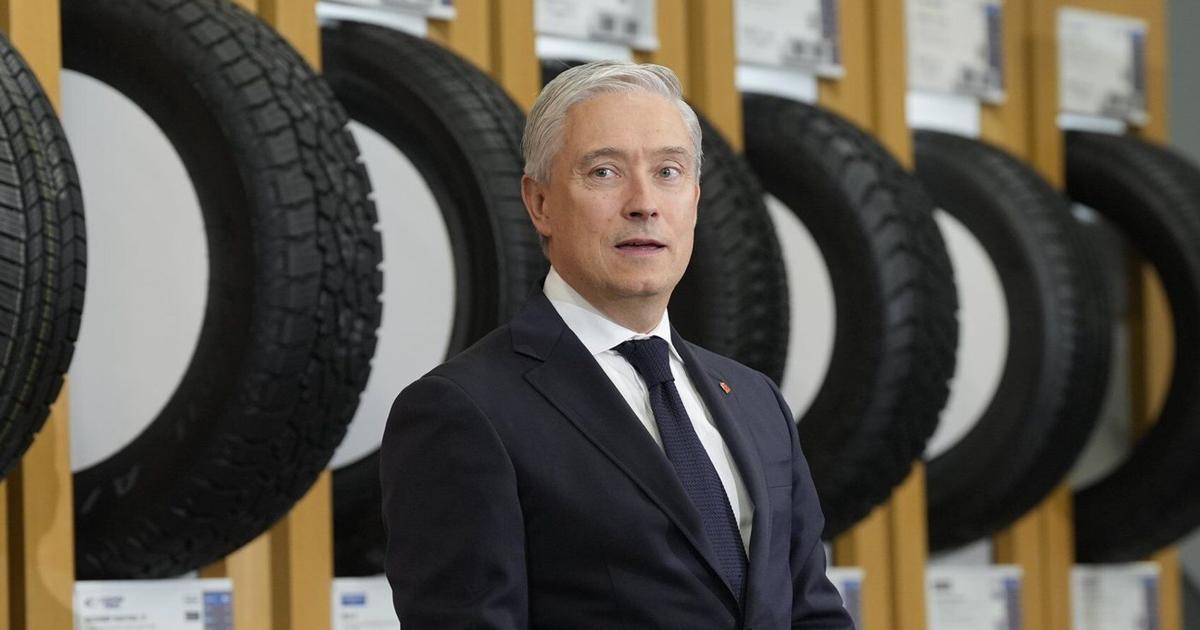
Prime Minister Mark Carney's government announced a new mega-deduction tax measure at the Canada Investment Summit aimed at increasing business investment by allowing companies to expense total costs for new investments in sectors like machinery, equipment, clean energy, and zero-emission vehicles. This expansion covers two-thirds of assets eligible for immediate write-offs, down from 15% under previous measures, reducing Canada’s marginal effective tax rate to the lowest among G7 nations at 6.4%. The initiative is expected to cost $36 billion over five years but could help mitigate risks associated with trade wars and encourage businesses to stay in or invest more in Canada.
Written locally by qwen2.5:14b on 2026-09-15,
using this article's own text rather than the other coverage of the
same event (that is the story summary below).
Story summary
Prime Minister Mark Carney hosted the Canada Investment Summit in Toronto from September 13-14, aiming to attract over $1 trillion in investments across 167 projects in Canada over five years. The summit coincided with the Toronto International Film Festival and a minor league baseball game, creating significant security challenges for local authorities. Over 1,000 protesters, including activists from World Beyond War, rallied against the investment summit on September 14, arguing that outside investments might not benefit everyday Canadians who are already struggling with rent and living costs. Activists were particularly concerned about projects expanding fossil fuel infrastructure and increasing military production. The Carney government also announced its plans to seek private investment for Canada’s four largest airports—Toronto Pearson, Calgary International, Vancouver International, and Montreal Trudeau—while retaining ownership of the land and assets. This move has drawn criticism from labor unions and environmental groups who fear the potential negative impacts on public resources without guaranteed returns.
Written for “Carney Investment Summit Protests” on 2026-10-05,
grounded in this article and the 33 other(s) covering the same event.
Claims extracted
13
claim-shaped sentences
Uncertain
23%
3 of 13 hedged
Leaning
Leans right
of the writing, not the subject · beta estimate
Correction & hedging signals
76.7
corrections and hedging in what we collected;
not a measure of accuracy
Outlets on this story
34
Politics
Narrative spread
1
articles carrying this framing
Carney government introduces mega-deduction tax measure to spur more investment
Announcement expands on previous tax deduction announced in last year's budget
The government announced a major tax reform at the Canada Investment Summit that will allow businesses to write off investments in a number of sectors.
asserted
businesses → introduce → sectors
The productivity mega-deduction will allow companies to expense the total cost of new investments across a number of sectors, including machinery, equipment, clean energy, zero-emission vehicles and more.
asserted
companies → allow → machinery
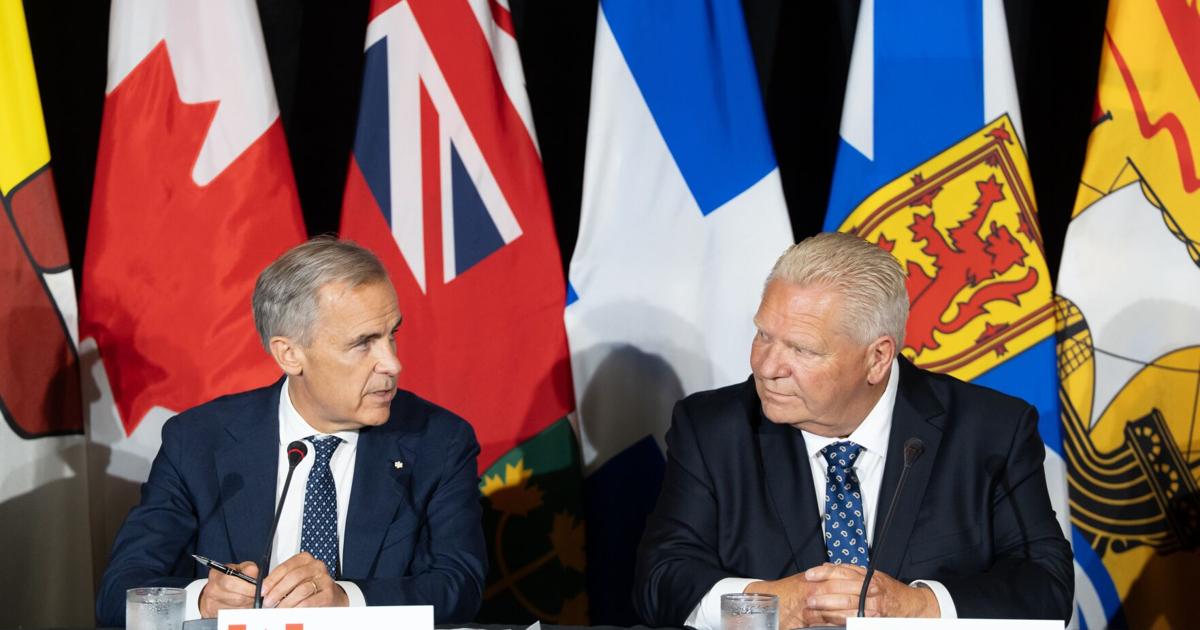
"Our goal is simple to make Canada the most attractive place in the G7 to invest," Prime Minister Mark Carney said at the summit.
asserted
Carney → make → summit
The program is an expansion of the government's earlier productivity super-deduction outlined in last year's budget, which initially extended to a limited selection of investments in things like equipment, machinery and technology.
asserted
which → outline → equipment
That meant only about 15 per cent of possible investments were covered initially, but the prime minister said the expansion means two-thirds of assets will now be eligible.
asserted
thirds → mean → assets
In the past, Canadian companies have been able to recoup costs over the lifetime of a project, said Randall Bartlett, deputy chief economist at Desjardins.
asserted
Bartlett → recoup → Desjardins
But this program gives that money back immediately, which could free up investors to put more money into new projects.
uncertain
which → give → projects
"This is meant to provide significant incentives for companies to invest and invest very quickly," Bartlett said.
asserted
Bartlett → mean → incentives
He said that makes Canada very competitive on the tax front compared to other countries.
asserted
Canada → say → countries
The government says the change would slash Canada's marginal effective tax rate — a measure of tax on businesses used to compare tax competitiveness between nations — from 13 per cent down to 6.4, making it the lowest of any country in the G7.
asserted
it → say → G7
And that could be a big help especially amid the trade war, Bartlett said.
uncertain
Bartlett → say → war
It could give companies a reason to stay in Canada, rather than moving production south of the border, and help them make investments they've been holding off on due to uncertainty.
But it will also cost an estimated $36 billion over five years.
uncertain
it → give → years
Bartlett said revenue brought in from high oil prices means the extra government spending isn't too much of an issue in the short run, but the government will have to make sure it has the coffers to sustain that kind of spending long-term.
asserted
it → say → spending
 The Aporia