In December 1943, US President Franklin D. Roosevelt donated his family home at Springwood in Hyde Park, New York, along with 33 surrounding acres, to the US government while retaining life-estate rights for his family.
asserted
Roosevelt → donate → family
According to the National Park Service, Roosevelt had spent decades expanding and developing the property.
uncertain
Roosevelt → accord → property
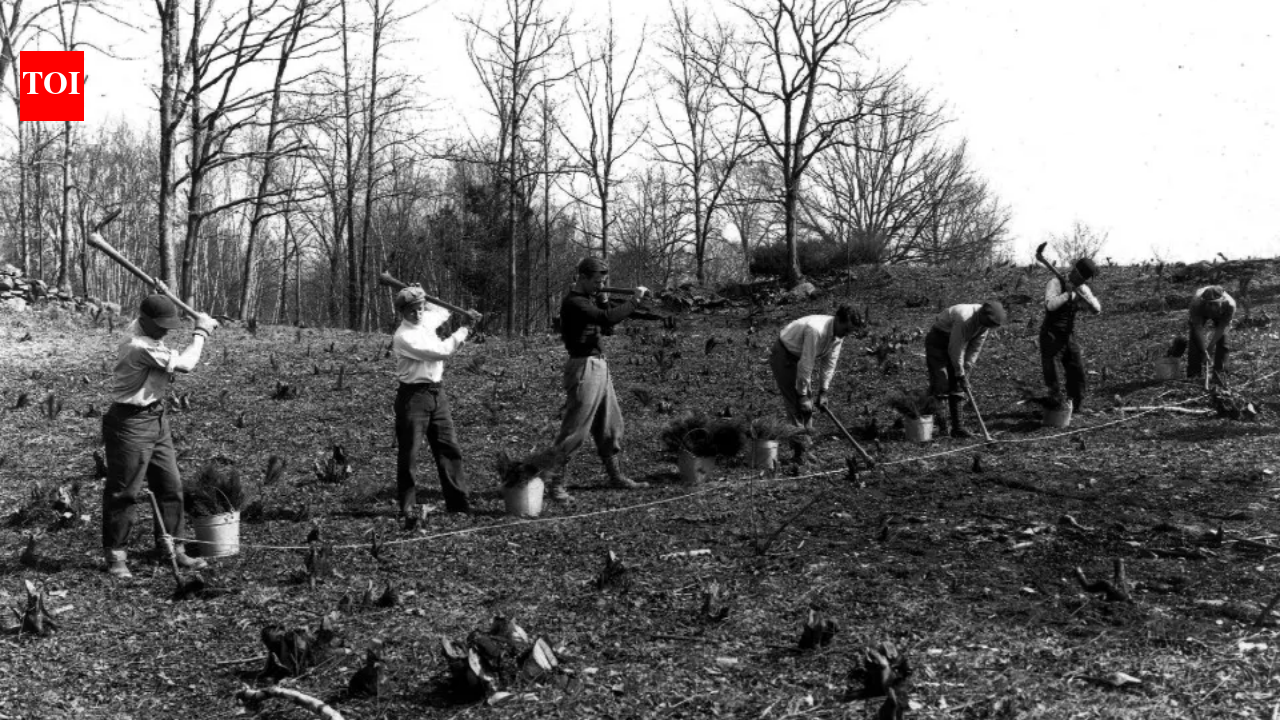
By 1939, the estate covered about 1,521 acres, and his forestry efforts had led to more than 500,000 trees being planted over the years.
asserted
trees → cover → years
The donation ensured that the central part of the Roosevelt family's historic property would eventually be preserved for the public.
asserted
part → ensure → public
It also reflected Roosevelt's deep connection with Springwood, where he was born and which remained his family home throughout his life.
asserted
which → reflect → life
He was born there in 1882 and continued to regard the Hyde Park property as his home even after entering politics and becoming president.
asserted
He → bear → politics
After inheriting the property from his father in 1900, Roosevelt began acquiring additional farmland and woodland around the original estate.
asserted
Roosevelt → inherit → estate
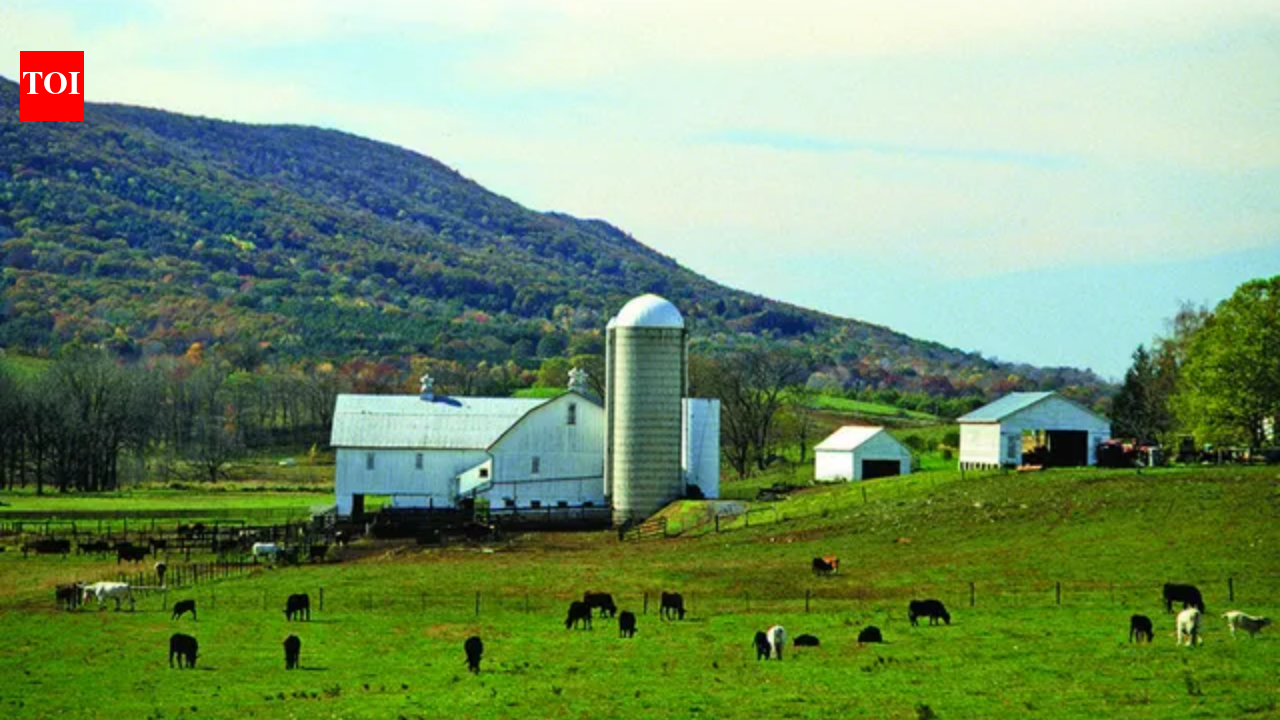
He gradually transformed Springwood from a family residence into a much larger agricultural and forestry landscape.
asserted
He → transform → landscape
Building a vast estateRoosevelt's interest in the land went beyond simply owning it.
asserted
interest → build → it
In 1911, he purchased the 194-acre Bennett Farm and began establishing forest plantations.
asserted
he → purchase → plantations
By 1928, 16 plantations had been created across parts of the estate, containing more than 42,000 trees.
asserted
plantations → create → trees
Roosevelt continued buying farms and woodland, including the Dumphy, Hughson and Rohan farms.
asserted
Roosevelt → continue → farms
By 1939, his holdings had grown to approximately 1,521 acres.
asserted
holdings → grow → acres
More than 500,000 treesForestry became an important part of Roosevelt's work at Springwood.
asserted
treesForestry → become → Springwood
He was interested in reforestation and experimented with planting trees on land previously cleared for agriculture.
asserted
He → experiment → agriculture
Roosevelt worked with forestry specialists and established plantations that served both practical and experimental purposes.
asserted
that → work → purposes
Over the course of his life, more than 500,000 trees were planted on the Roosevelt properties.
asserted
trees → plant → properties
The extensive tree planting meant that Roosevelt was actively reshaping the landscape around his childhood home rather than simply preserving it as he had inherited it.
asserted
he → mean → it
The presidential libraryThe move toward preserving Springwood for the public began before Roosevelt donated the house.
asserted
Roosevelt → preserve → house
In 1939, Congress passed legislation allowing the federal government to receive portions of the Roosevelt property.
asserted
government → pass → property
Roosevelt donated land for his presidential library, which opened in 1940.
asserted
which → donate → 1940
The Franklin D. Roosevelt Presidential Library became the first presidential library in the United States.
asserted
Library → become → States
Its location near Springwood connected Roosevelt's political legacy with the place that had remained his personal home.
asserted
that → connect → place
The 1943 donationIn December 1943, Roosevelt donated the Springwood house and 33 surrounding acres to the federal government.
asserted
Roosevelt → donate → government
However, he did not immediately give up all rights to the property.
asserted
he → give → property
The agreement included a life estate, allowing Roosevelt and members of his family to continue living at Springwood during their lifetimes.
asserted
Roosevelt → include → lifetimes
The decision came while Roosevelt was still president and serving his unprecedented fourth term during World War II.
asserted
Roosevelt → come → II
The donation meant that the government would eventually preserve the house and its immediate surroundings as a historic site while allowing the family to retain its connection with the property.
asserted
family → mean → property
From private estate to historic siteSpringwood was designated the Franklin D. Roosevelt National Historic Site in January 1944.
asserted
siteSpringwood → designate → January
Roosevelt died in April 1945.
asserted
Roosevelt → die → April
After his death, the remaining family members eventually surrendered their life-estate rights, allowing the government to take full control of the property.
asserted
government → remain → property
Springwood opened to the public in 1946.
asserted
Springwood → open → 1946
The house, its furnishings and parts of the surrounding landscape were preserved so visitors could experience the place associated with Roosevelt's life.
uncertain
visitors → surround → life
What happened to the rest?Roosevelt
asserted
What → happen → ?
donation covered only the house and 33 acres, not the entire 1,521-acre estate.
asserted
donation → cover → house
After his death, other parts of the property were sold or transferred.
asserted
parts → sell → property
Much of the original estate eventually passed into private ownership, although the National Park Service later acquired additional portions of the historic landscape.
asserted
Service → pass → landscape
Today, the preserved site represents part of the much larger estate Roosevelt assembled during his lifetime.
asserted
Roosevelt → preserve → lifetime
A lasting legacyThe 1943 donation ensured that Springwood, the place where Roosevelt was born and spent much of his life, would remain connected to the nation's history.
asserted
Roosevelt → last → history
It also preserved a lesser-known part of Roosevelt's legacy: his long interest in forestry and land management.
asserted
It → preserve → forestry
…and 3 more, not listed.
 The Aporia