Thousands of people are gathering in Berlin and more than 30 other German cities as the nation becomes the latest European country to be hit by a wave of student protests sweeping the continent.
asserted
nation → gather → continent
Recommended Stories
list of 3 items- list 1 of 3France braces for ‘very high risk’ of disorder at Halloween protests
- list 2 of 3Thousands protest across Italy over living costs and military spending
- list 3 of 3Protest at India university where no students’ union vote held for 20 years
asserted
vote → brace → years
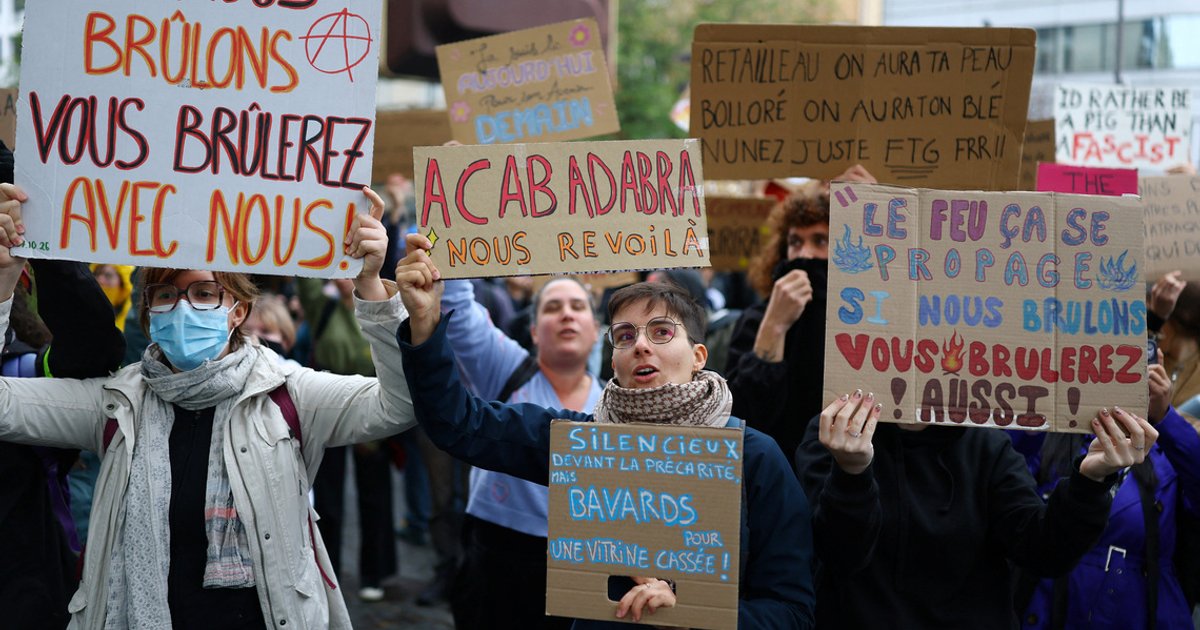
Anti-fascist activists smoking hand-rolled cigarettes and wearing keffiyehs waited patiently alongside students dressed in Halloween outfits, smartly dressed grandmothers donning “omas gegen rechts” (grandmothers against the right) badges, and camera crews, ahead of the 2pm (13:00 GMT) rally start.
asserted
activists → smoke → start
The protests were organised by a loose alliance called Gen Z Regelt (Gen Z sorts it), and by Saturday morning, nearly 180,000 people across 34 cities had signed up to participate – with the main host cities including Frankfurt, Cologne, Munich and the capital Berlin.
asserted
cities → organise → Frankfurt
Nearly 12,000 people had signed up to join in the German capital, and people were continuing to stream into the square well into the demonstration to listen to speakers in what was so far a calm afternoon in the capital.
asserted
what → sign → capital
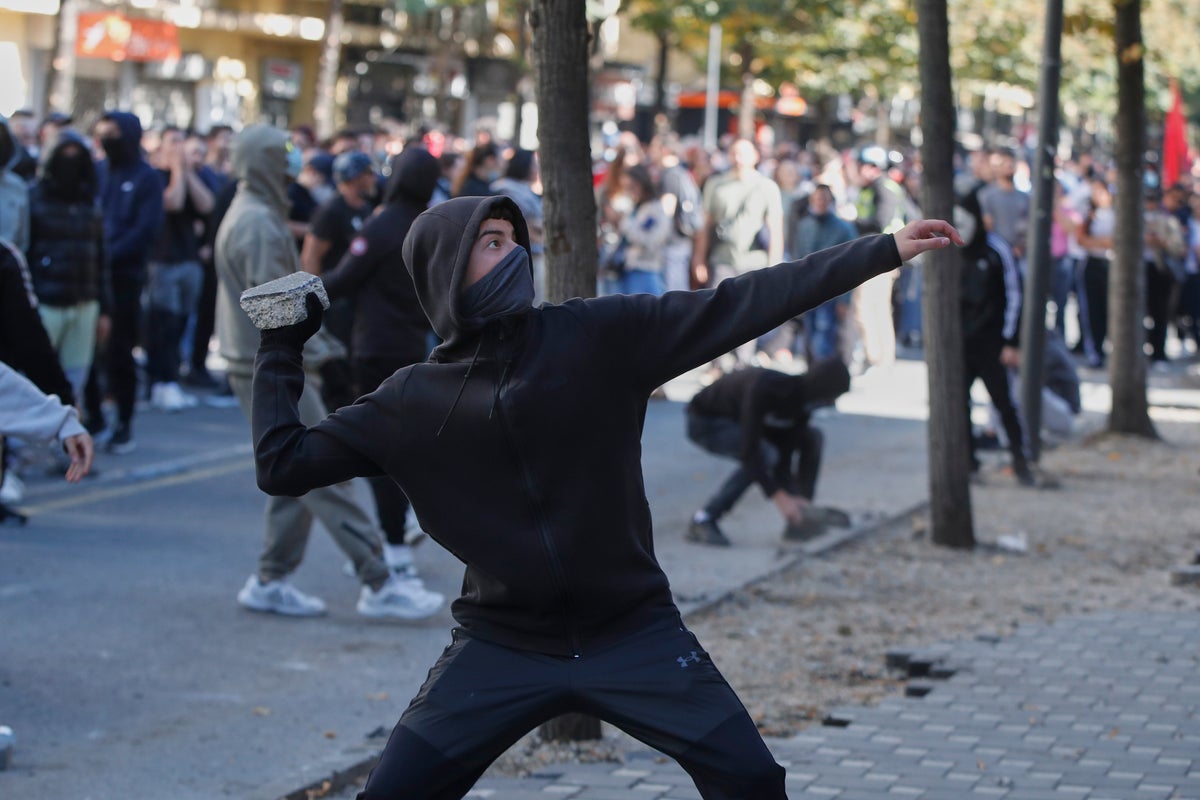
However, at a rally in the western city of Cologne, scuffles broke out between protesters and police, who moved in to contain a march there.
asserted
who → break → march
The protest organisers had outlined six key issues that took them to the streets on Saturday, including the rising cost of living, education cuts and military conscription.
asserted
that → outline → living
‘Political failure’ of government
Students told Al Jazeera that they are both angry and frustrated by ongoing funding cuts, even as the government invests heavily in the military.
asserted
government → tell → military
Yet they also said they feel a sense of hope after seeing student protests in different parts of Europe in recent weeks.
asserted
they → say → weeks
Veronika Dinter travelled to Berlin on Friday night from Hannover to participate in the protest.
asserted
Dinter → travel → protest
The 23-year-old political science student said that due to high living costs, she had to take on a part-time job to fund her studies.
asserted
she → say → studies
“I wanted to start studying to develop critical thinking and learn something new, but I didn’t realise how much it would cost to do so.
asserted
it → want → much
I think this is something a lot of people in my generation are experiencing right now,” she said.
asserted
she → think → generation
“Funding for education and social services are being cut, while the cost of living keeps rising.
asserted
cost → cut → living
Universities are struggling, institutes are closing, teachers are losing their jobs and education facilities are literally falling apart.
asserted
facilities → struggle → jobs
And instead of solving it, Chancellor Friedrich Merz and his rich friends are funding the military with billions of euros.
asserted
Merz → solve → euros
This is a sentiment that Emma Heymann, a 24-year-old student living in Berlin, resonated with.
asserted
Heymann → live → Berlin
“Our generation feels very angry at the government because they are making these huge cuts that are affecting our quality of life here.
asserted
that → feel → life
And at the same time, they are spending billions on the military and spending money to fund the genocide in Gaza,” she said.
asserted
she → spend → Gaza
Protesters should be ‘listened to’
asserted
Protesters → listen → ?
Phil Tziartzianis travelled eight hours from his hometown of Kassel to join his friend Jan Chrominski and other young people at the demonstration.
“It feels important for me to be here among other young people who feel the same way,” he said.
asserted
he → travel → people
The protesters join a wave of demonstrations that have swept across Europe in recent weeks, including in France, Belgium, Italy, Spain and Serbia.
asserted
that → join → France
He says other demonstrations are having an impact on young Germans.
asserted
demonstrations → say → Germans
“The frustration itself has been building for years, but this is definitely part of a wave we are seeing across Europe, and young people here are feeling that they can actually take their worries and problems to the streets,” he said.
asserted
he → build → streets
“Many of their concerns, in particular around poor educational infrastructure, are legitimate, and it’s important that they are listened to.”
asserted
they → ’ → infrastructure
The Berlin demonstration is expected to last two hours, with another one planned at 5:30pm (16:30 GMT) in a different part of the German capital.
asserted
one → expect → capital
In the past week, political figures have raised concerns about the protests turning violent.
asserted
protests → raise → concerns
Yet demonstrators say they see the narrative of violence distracting from the issues they want to raise.
asserted
they → say → issues
“We urge the police to not confront our demonstrations with any kind of violence,” Dinter, the student from Hannover, said.
asserted
Dinter → urge → Hannover
“We stand in solidarity with all the people around the world who are fighting for an affordable life, for more investment in the education system, and against wars and military buildup.”
asserted
who → stand → wars
 The Aporia