The Aporia
The Canadian Press. (2026, October 31). Clocks from coast to coast to coast: A breakdown of time change rules across Canada. Toronto Star. https://www.thestar.com/news/clocks-from-coast-to-coast-to-coast-a-breakdown-of-time-change-rules-across-canada/article_75327b4c-c3b1-5e8e-9eab-4d596673c1c2.html
The Canadian Press. “Clocks from coast to coast to coast: A breakdown of time change rules across Canada.” Toronto Star, 31 Oct. 2026, https://www.thestar.com/news/clocks-from-coast-to-coast-to-coast-a-breakdown-of-time-change-rules-across-canada/article_75327b4c-c3b1-5e8e-9eab-4d596673c1c2.html.
The Canadian Press. “Clocks from coast to coast to coast: A breakdown of time change rules across Canada.” Toronto Star, October 31, 2026. https://www.thestar.com/news/clocks-from-coast-to-coast-to-coast-a-breakdown-of-time-change-rules-across-canada/article_75327b4c-c3b1-5e8e-9eab-4d596673c1c2.html.
Dated from the outlet's own feed. Check the original for its byline.
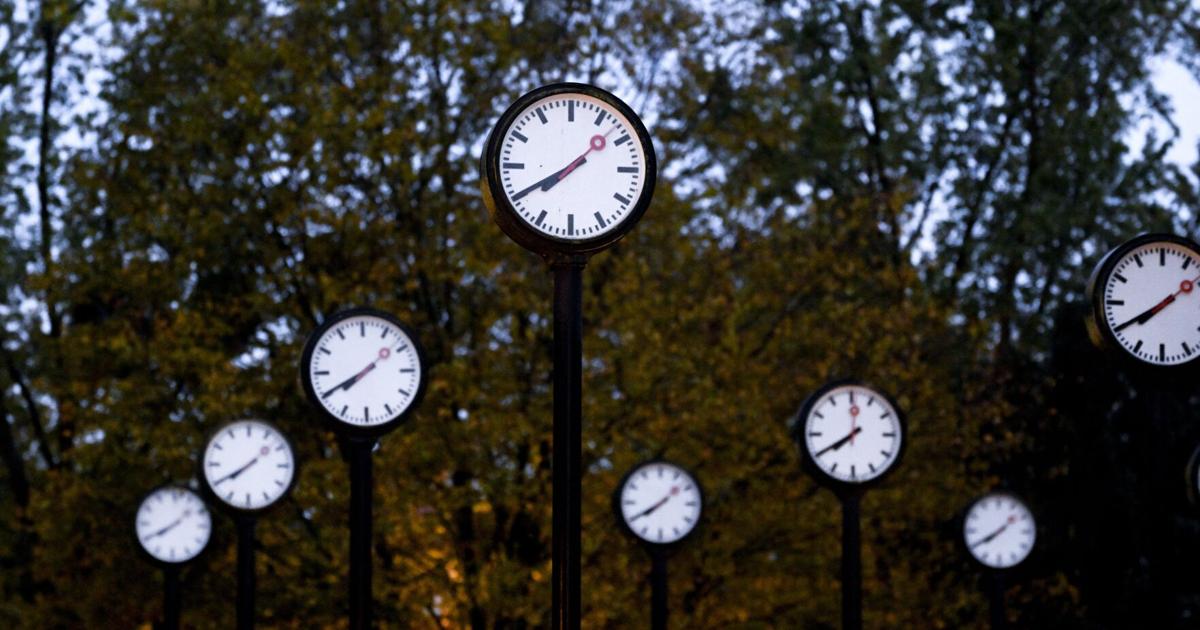
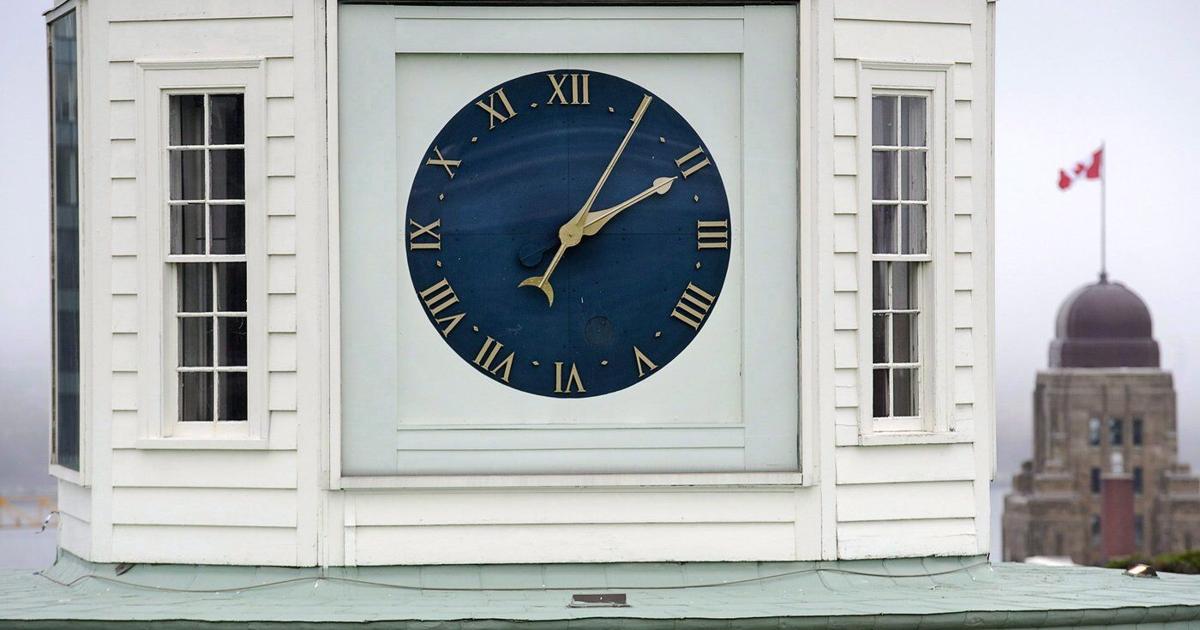
As of October 31, 2026, much of eastern Canada switched their clocks back, while western provinces did not change due to differing time zone policies. British Columbia moved to permanent Pacific daylight time, aligning northeastern parts with the rest of the province and Washington State in summer months. Alberta, also in mountain time, adopted permanent daylight time called "Alberta time." Saskatchewan remains on permanent central standard time since 1966. Notably, Manitoba decided to keep daylight time year-round but will be one hour ahead of the other Prairie provinces during winter and one hour behind in summer. Ontario, which passed a law in 2020 to end clock changes if Quebec and New York agreed, awaits further developments.