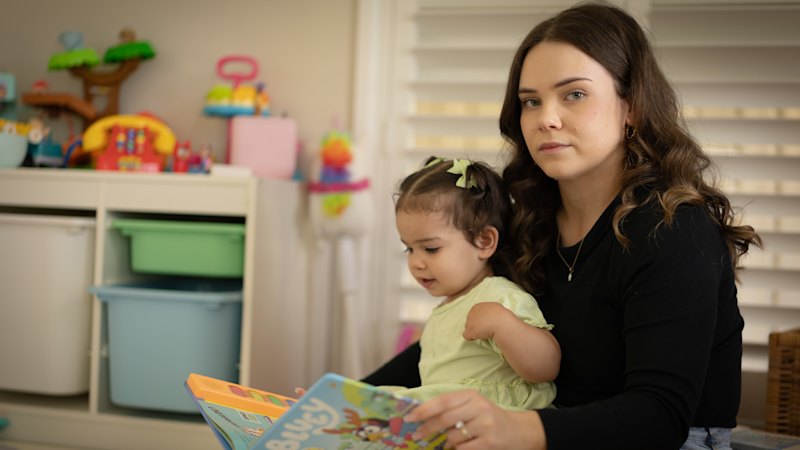
Bethany Luna-Riley did everything she could to prepare for the birth of her first child.
uncertain
she → do → child
She attended all the courses, researched online, listened to podcasts and peppered midwives with questions to avoid being blindsided by labour.
“I think where it unravelled for me was I was not prepared, and no one discussed with me what would happen, if all of the things that I didn’t want to happen happened at once,” she says.
asserted
she → attend → that
Luna-Riley’s trust in the system first ruptured when her preeclampsia symptoms were dismissed.
asserted
symptoms → rupture → system
The then-26-year-old first-time mum ultimately had an emergency c-section, despite having dreamed of a vaginal birth, and was then separated from her daughter, who went into intensive care because she was having trouble breathing.
asserted
she → have → trouble
Breastfeeding was supposed to be Luna-Riley’s saving grace, after feeling like she had lost control of her entry into motherhood.
asserted
she → suppose → motherhood
But her daughter Sydney had trouble latching, and the hospital’s lactation consultant scolded Luna-Riley for “confusing” the baby with a bottle.
asserted
consultant → have → bottle
The Penrith mother’s confidence was shattered, and she felt like a failure.
asserted
she → shatter → failure
She says the repeated dismissal by healthcare providers led her down a dark path – even more so than the emergency cesarean itself.
asserted
dismissal → say → cesarean
She was later diagnosed with PTSD and anxiety.
asserted
She → diagnose → PTSD
“I genuinely thought ... I wasn’t meant to be a mum,” she says.
asserted
she → think → ?
“I thought that my daughter hated me.”
asserted
daughter → think → me
Luna-Riley is one of thousands who have made submissions to a Senate inquiry into women’s health, with a focus on postpartum care, ahead of its first hearing on Monday in Sydney.
asserted
who → make → Sydney
One in five women develop a mental health condition in the perinatal period – between conception and a year post-birth – every year.
asserted
women → develop → conception
Suicide is a leading cause of maternal death in Australia, with social stigma around those struggling with early parenthood exacerbating a lack of access to support.
asserted
Suicide → lead → support
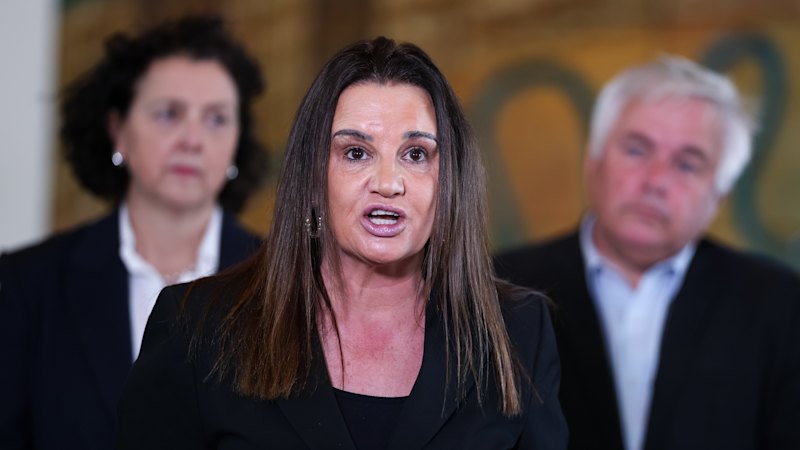
South Australian senator Marielle Smith is shepherding the committee after her own challenges with breastfeeding and postnatal anxiety following the birth of her first child.
asserted
Smith → shepherd → child
The Labor MP says she was fortunate to have secured help from a private lactation consultant after suffering recurrent mastitis, but not every parent was so lucky.
asserted
parent → say → mastitis
“I don’t think good quality postpartum healthcare should ever come down to a matter of luck, and shouldn’t come down to where you live, or certainly not what you can afford,” she says.
asserted
she → think → what
Her committee will examine how to improve services while empowering parents to access existing resources.
asserted
committee → examine → resources
It will also consider women’s pain, and access and affordability of fertility treatments.
asserted
It → consider → treatments
States have held inquiries into birth trauma, but the federal committee will travel around the country to put the issue of postpartum health into a national frame, with support services saying they are overwhelmed by the level of need.
asserted
they → hold → need
Arabella Gibson, the chief executive at Gidget Foundation Australia, says waitlists for the not-for-profit’s 10 free mental health sessions – granted with a GP referral – have grown to up to three months.
asserted
waitlists → say → months
The foundation, whose namesake is a new mother who died by suicide, has made 32 recommendations to the committee, including boosting funding, establishing nationally consistent care pathways, and broadening mental health referral powers to other healthcare professionals, not just GPs.
asserted
who → die → professionals
“Service investment is critical,” says Gibson, who is also a director for Motherland Australia and the chair of Perinatal Mental Health Australia.
asserted
who → say → Australia
“We can’t actually deliver the services unless we have the workforce, and the allied health professionals within the mental health space are few and far between,” she says.
asserted
she → deliver → space
“There’s nothing worse than someone being screened, being diagnosed, and having nowhere to go.”
asserted
someone → ’ → nowhere
Gibson also makes an economic case: the foundation reports perinatal ill health costs Australia $877 million annually, while for every $1 invested in Gidget services, $3.70 is returned to the economy.
asserted
3.70 → make → economy
Luna-Riley, now 28, says getting the mental health support she needed through the Gidget Foundation saved her life.
asserted
she → say → life
Meeting other advocates and realising she wasn’t alone also fostered conversations with friends about their own struggles.
asserted
she → meet → struggles
“People opened up to me a bit more about, oh no, it wasn’t all sunshine and rainbows,” she says.
asserted
she → open → me
“I realised, oh, this is actually such a common problem.”
asserted
this → realise → ?
Luna-Riley wants greater trauma-informed care in hospitals and says a standard six-week check-up for new parents is inadequate.
asserted
up → want → parents
“It might take six weeks for some women to just get out of the haze of shock of what happened to them,” she says.
uncertain
she → take → them
She points to the meticulous tracking of a baby’s development in their first year, which in NSW is recorded in what is known as the “blue book”.
asserted
what → point → book
“Where’s the blue book for the mother?
asserted
book → ’ → mother
Like, are we checking in on her?” she says.
asserted
she → check → her
“You’re not just done and healed in six weeks.”
asserted
You → do → weeks
If you or anyone you know needs support, call Lifeline on 131 114 or Beyond Blue on 1300 224 636.
asserted
you → know → 636
 The Aporia