This article first appeared on our partner site, Independent Persian
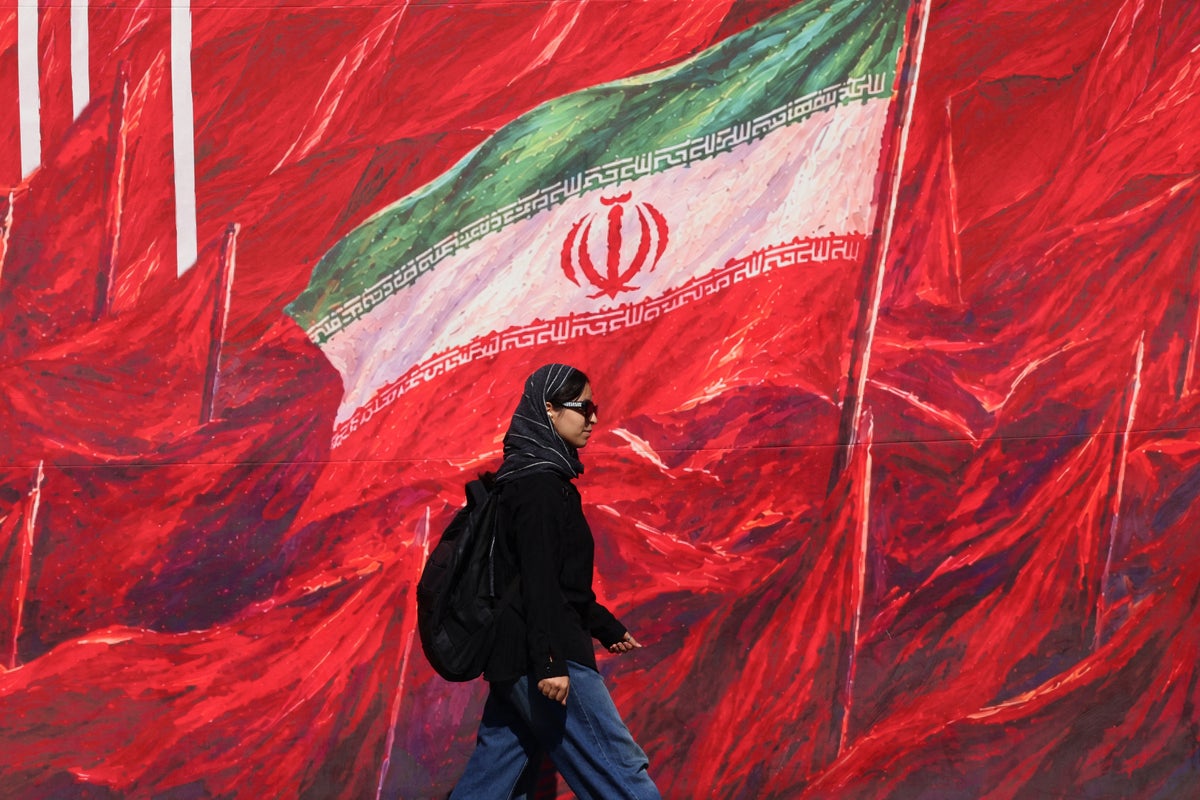
At a time when the Islamic Republic of Iran remains at odds with the international community over its nuclear programme, and repression and censorship show no signs of easing, some have begun to speculate that Iran is heading towards becoming another North Korea.
asserted
Iran → appear → easing
Some argue that this transformation has already taken place.
asserted
transformation → argue → place
Others point to Iran’s geography, geopolitical position and strategic importance as reasons why a North Korean-style system would be impossible to replicate.
asserted
system → point → reasons
Yet another voice is emerging: Iran’s Gen Z, who believe that regardless of how determined the Islamic Republic may be to tighten its grip through repression, isolation and social control, it will always face a population unwilling to accept such a fate without a fight.
uncertain
it → emerge → fight
For these young Iranians, theirs is a society shaped by protest, resistance and acts of defiance carried out at considerable personal cost, a society no longer prepared to submit to the restrictions imposed by its rulers.
asserted
theirs → shape → rulers
This report brings together the accounts of seven young Iranians born in the 2000s who tell Independent Persian that “Iran will never become North Korea”, not because the Islamic Republic lacks the desire to make it so, but because society will not let it happen.
asserted
it → bring → desire
‘This generation will never remain silent’
asserted
generation → remain → ?
Milad*, a 23-year-old business management student is among those who dismiss the possibility outright.
asserted
who → dismiss → possibility
Having consistently taken part in anti-government protests, he is convinced Iran will never follow that path.
asserted
Iran → take → path
“Iranian youth have courage, intelligence and an overwhelming desire to live,” he says.
asserted
he → have → courage
“Our generation wants things that previous generations might have considered ambitious, but for us, they are simply about living freely and enjoying our basic rights.
uncertain
they → want → rights
This generation does not accept just any kind of life, whatever the cost.”
asserted
cost → accept → life
Milad believes that his generation refuses to accept a government that dictates every aspect of their lives and imposes new restrictions on them day after day.
asserted
that → believe → day
Ghazal, a final-year secondary school student is equally adamant: “Our generation will not easily forget what has happened to us, to our parents, our friends and our fellow Iranians.
asserted
what → forget → parents
“So many people in this country have had their youth and their lives stolen from them and that is not something we can overlook.
asserted
we → have → them
“Despite all the executions, repression, injustice and cruelty, so many young people and teenagers are still standing up to oppression and refusing to give up.”
asserted
people → stand → oppression
She continues: “That determination alone shows that Iranian society cannot be silenced through fear and violence.”
asserted
society → continue → fear
‘No country becomes North Korea overnight’
asserted
country → become → ?
Amirali, a 24-year-old computer science student, believes that if current trends continue, conditions in Iran could become considerably worse: “The gap between rich and poor will widen dramatically, and the country’s economy and resources will fall even further under the control of mafia-like networks.”
uncertain
economy → believe → networks
However, he is emphatic that economic hardship will not break people’s spirit.
“Iranians may become poorer by the day, but that doesn't mean the government can do whatever it wants while everyone stays silent.
uncertain
everyone → break → whatever
People may not be able to enjoy a decent life themselves, but they won't let the regime have an easy time of it either.”
uncertain
regime → enjoy → it
Referring to the bloody crackdown on protests in January 2026, Shayan, a 23-year-old architecture student, stressed that the apparent silence of society should not be mistaken for acceptance of the status quo.
asserted
silence → refer → quo
“No country becomes North Korea overnight,” he says.
asserted
he → become → ?
Freedoms are restricted step by step, channels of communication with the outside world are progressively closed off, and the government tries to shut down every possible route to change or reversal.
asserted
government → restrict → change
“But the real question is how far society is prepared to tolerate these restrictions.
asserted
society → prepare → restrictions
I have no doubt that young Iranians will not allow this process to reach a point where every possibility of change has been eliminated.”
asserted
possibility → have → change
Shayan also believes that the lack of visible protests following January’s crackdown is not proof of the regime’s success in instilling fear.
asserted
lack → believe → fear
“Perhaps many people outside Iran imagine that after the January killings, young people became frightened and no longer dare to take to the streets,” he says.
asserted
he → imagine → streets
“But what I see is completely different.
asserted
see → see → what
The fear hasn't disappeared; it has changed form, turning into deep anger.
asserted
it → disappear → anger
In my view, society has neither forgotten what happened nor come to terms with the current situation.
asserted
what → forget → situation
“People are desperately waiting for another opportunity to rise up.
asserted
People → wait → opportunity
And that is what makes Iran different from North Korea.”
asserted
Iran → make → Korea
‘Iranian society has already made its choice’
Ehsan, a 20-year-old barista, tells Independent Persian: “Looking at the social restrictions, sanctions and the direction the government is taking, I can understand why many people might think Iran will soon become North Korea.
uncertain
Iran → make → restrictions
“But just walk through different neighbourhoods of Tehran these days and see for yourself how young people stand up to government forces and Basij militiamen who are out on the streets every night.”
asserted
who → walk → streets
Ehsan argues that the willingness to confront government forces despite the risks demonstrates that intimidation and repression have failed to make society accept the status quo.
asserted
society → argue → quo
“These young people know exactly who they're dealing with,” he continued.
asserted
he → know → who
“They know the forces confronting them are authorised to shoot, that they could be shot, arrested or subjected to any other form of violence.
uncertain
they → know → violence
Yet they still refuse to back down.
asserted
they → refuse → ?
“That tells you Iranian society has moved beyond the point where the government can impose whatever restrictions it likes simply by frightening people.”
asserted
it → tell → people
…and 12 more, not listed.
 The Aporia