LAST month, I argued in this space that Iran is emerging as a big regional power to our west.
asserted
Iran → argue → west
The question I left hanging was whether it would use its newfound centrality to avenge the past or to build a future.
asserted
it → leave → future
Last week offered the first real glimpse of an answer.
asserted
week → offer → answer
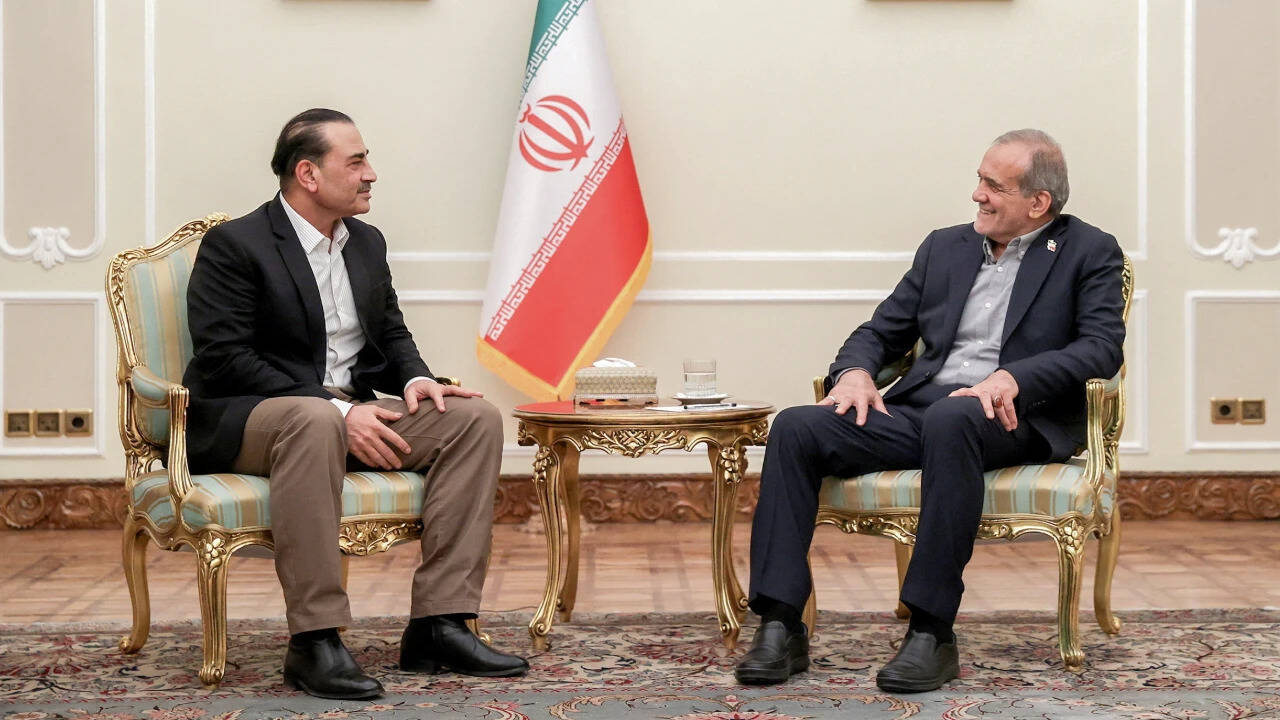
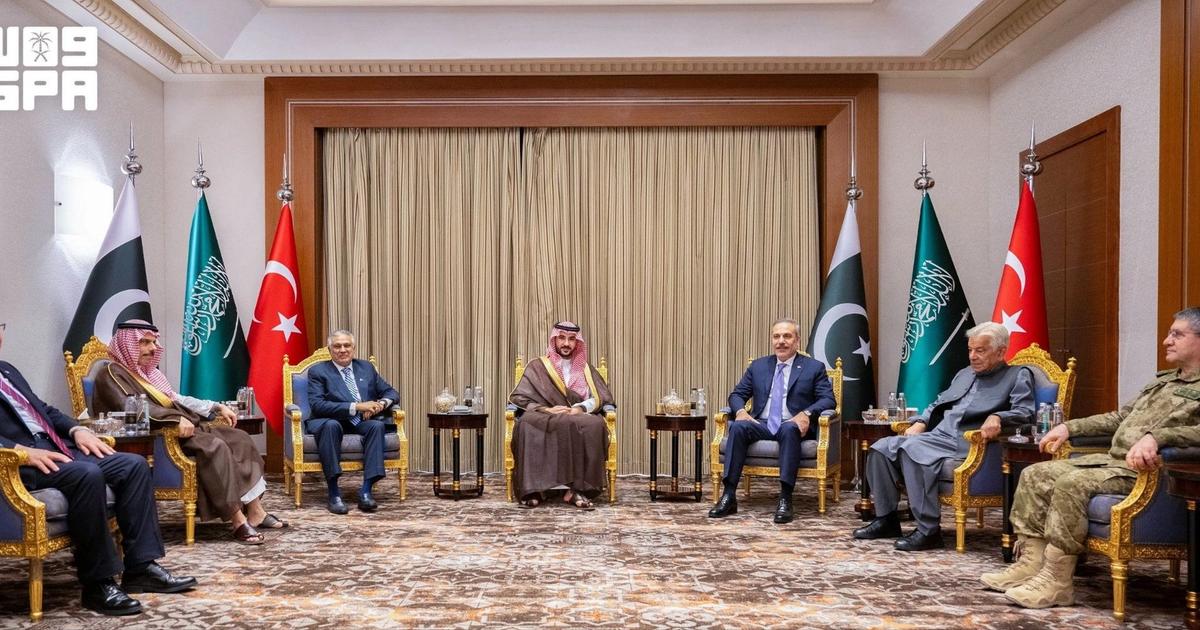
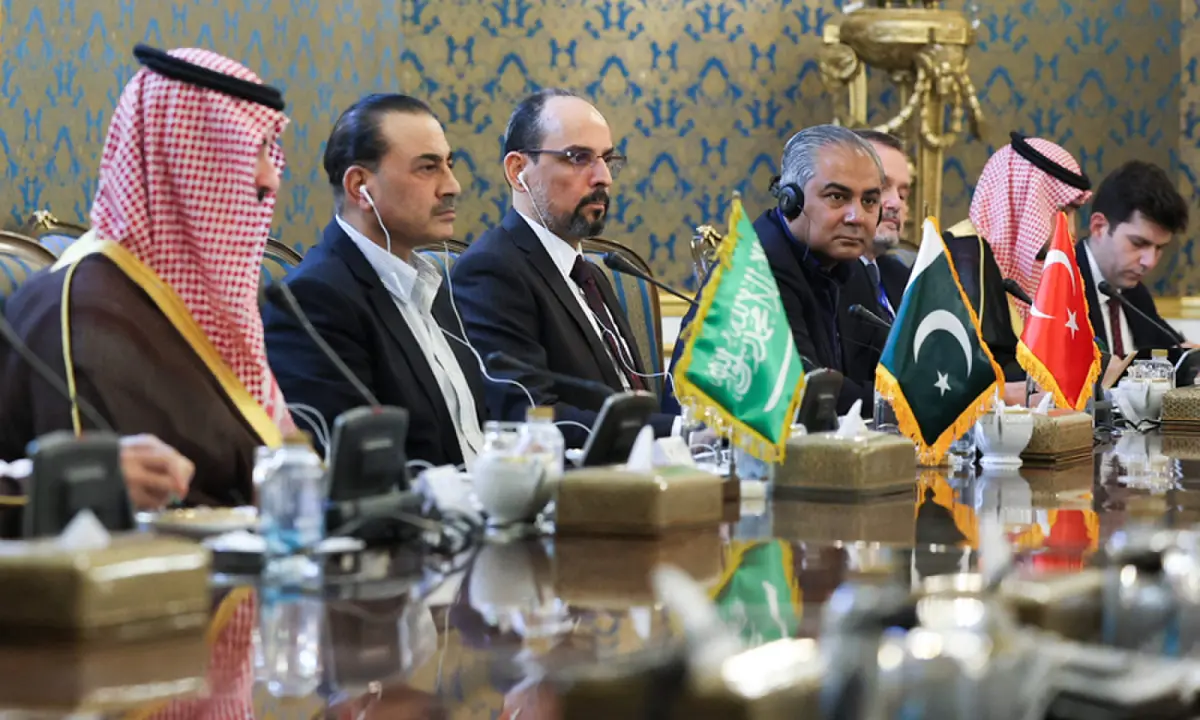
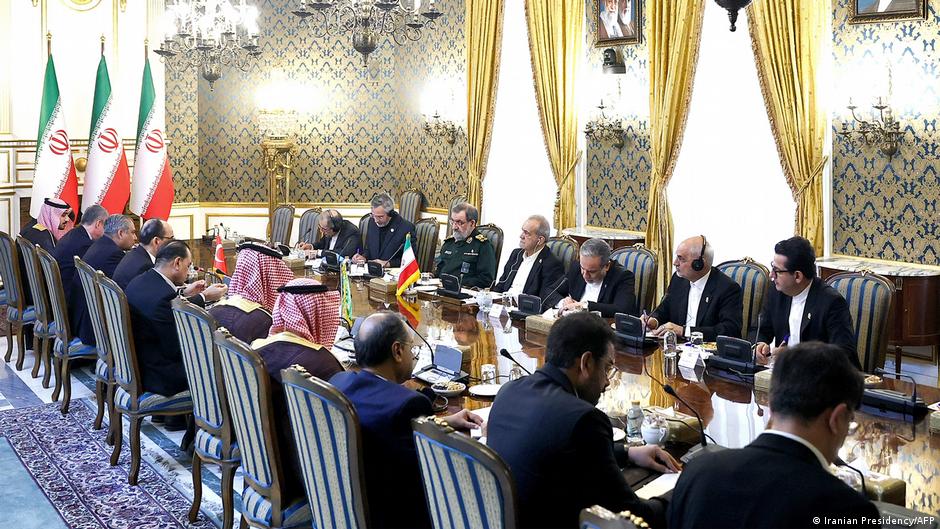
On Oct 26, Saudi Arabia’s defence minister, Pakistan’s defence chief, and Turkiye’s intelligence chief sat down in Tehran with Mohsen Rezaei, secretary of Iran’s Supreme National Security Council.
asserted
minister → sit → Council
The joint statement that followed was thin, pledging only continued dialogue on regional peace and security.
asserted
that → follow → peace
But the significance of the Tehran huddle lies less in what was said than in the fact that it happened at all, and where.
asserted
it → lie → fact
Consider who came.
asserted
who → consider → ?
The three visitors are the signatories of the Makkah Joint Defence Agreement, signed in August, a pact many read as a hedge against precisely the kind of Iran I described last month.
asserted
I → sign → Iran
Saudi Arabia was struck repeatedly by Iran during the war, hosted American forces that attacked Iran, and is under fire from the Houthis even now.
asserted
that → strike → Houthis
Yet, the Saudi defence minister led the delegation, and they travelled to Tehran.
asserted
they → lead → Tehran
When three of the region’s largest military powers, one of them nuclear-armed, come to your capital to talk about regional security, they are acknowledging that no regional security arrangement is possible without you, and that the road to one runs through your door.
asserted
road → arm → door
For a country that spent four decades behind a wall of sanctions and was treated as a problem to be contained rather than a party to be consulted, this is a milestone.
asserted
this → spend → problem
The significance of the Tehran huddle lies less in what was said than in the fact that it happened at all, and where.
asserted
it → lie → fact
It also happened in the teeth of American pressure.
asserted
It → happen → pressure
Washington was openly weighing a fresh round of strikes, US forces were reportedly ready to move within 96 hours of an order, and a naval blockade was choking Iran’s southern ports.
uncertain
blockade → weigh → ports
The region’s middle powers came anyway, having concluded that Iran would still be standing after this war and that they need a working relationship with it whatever Washington decided.
asserted
Washington → come → whatever
The second thing worth noticing is what Iran chose to emphasise.
asserted
Iran → notice → what
Rezaei told state television that Tehran and its three guests had agreed that the region’s security is to be achieved through the countries of the region.
asserted
security → tell → region
A senior Pakistani security official told Reuters the meeting’s primary aim was a regional mechanism to prevent military attacks between them.
asserted
aim → tell → them
Foreign Minister Abbas Araghchi has said for months that Tehran will welcome any regional security arrangement that excludes foreign forces.
asserted
that → say → forces
Put these together and the outline of the order Iran wants comes into view.
asserted
Iran → put → view
It rests on three pillars: non-aggression among the states of the region, an alignment of their interests, and the exit of outside powers, above all America, from the business of guaranteeing Gulf security.
asserted
It → rest → security
This is a window into the kind of power Iran wants to project.
asserted
Iran → want → power
Last month, I worried that once the Americans were gone, the Iranian military machine would turn its gaze to the riches of the Gulf monarchs and present bill after bill.
asserted
machine → worry → bill
That risk has not gone away.
asserted
risk → go → ?
But the posture on display in Tehran was not that of a power seeking to dominate its neighbours by force.
asserted
posture → seek → force
It was that of a power seeking to become the indispensable centre of a regional system it helps design.
asserted
it → seek → system
In 1954, with Beijing still shunned by much of the world, Zhou Enlai put forward the Five Principles of Peaceful Coexistence in negotiations with India.
asserted
Enlai → shun → India
Mutual non-aggression sat at their heart, alongside non-interference in internal affairs.
asserted
aggression → sit → affairs
Non-aggression is the language of a power confident of its own weight, which wants its neighbours to accommodate it rather than fear it.
asserted
neighbours → want → it
A non-aggression architecture without foreign forces is the one in which Iran’s advantages count most.
asserted
advantages → count → which
Take American bases and carriers out of the Gulf, and Iran’s hold over Hormuz, its missile arsenal, and its network of allies make it the pre-eminent power on the Gulf littoral by default.
asserted
it → take → default
In that setting, a non-aggression pact is not a concession but a way of having one’s pre-eminence ratified by one’s neighbours.
asserted
eminence → have → neighbours
Nor did the idea originate in Tehran.
asserted
idea → originate → Tehran
In May, Saudi Arabia itself floated a non-aggression pact between Iran and the states of the region, reportedly modelled on the 1975 Helsinki Accords.
uncertain
Arabia → float → Accords
Iran is now taking an idea its rivals put on the table and making it the organising principle of an order with itself at the centre.
asserted
it → take → centre
That, too, is what emerging powers do.
asserted
powers → emerge → what
None of this is settled.
asserted
None → settle → this
The factional contest I described last month is playing out in plain sight.
asserted
I → describe → sight
The hard-line daily Kayhan treated oil above $115 a barrel as proof that pressure on shipping works better than diplomacy, while moderate papers warn of a wave of bankruptcies in Isfahan, Tabriz, and Arak as the blockade bites.
asserted
blockade → treat → Isfahan
…and 7 more, not listed.
 The Aporia