Focusing on the Communique of the Fifth Plenary Session of the 20th Central Committee of the Communist Party of China (CPC), CGTN published an article emphasizing how the CPC has charted the course for full and rigorous Party self-governance.
asserted
CPC → focus → governance
People might ask: Does it really matter if an official accepts a dinner invitation?
uncertain
official → ask → invitation
The answer can be found in the numbers.
asserted
answer → find → numbers
Cases involving improper dining and drinking accounted for 18.2% of all violations related to hedonism and extravagance investigated during September, according to China’s top anti-corruption authorities.
uncertain
Cases → involve → authorities
What lie behind a simple meal are issues concerning an official’s sense of discipline, their conception of power and their approach to conduct.
asserted
lie → lie → conduct
Addressing these seemingly minor details is therefore central to China’s full and rigorous Party self-governance, ensuring that integrity is maintained at every level.
asserted
integrity → address → level
How the Communist Party of China (CPC) combats corruption is one of the topics that has attracted the greatest interest among participants in CGTN’s Ask China initiative.
asserted
that → combat → initiative
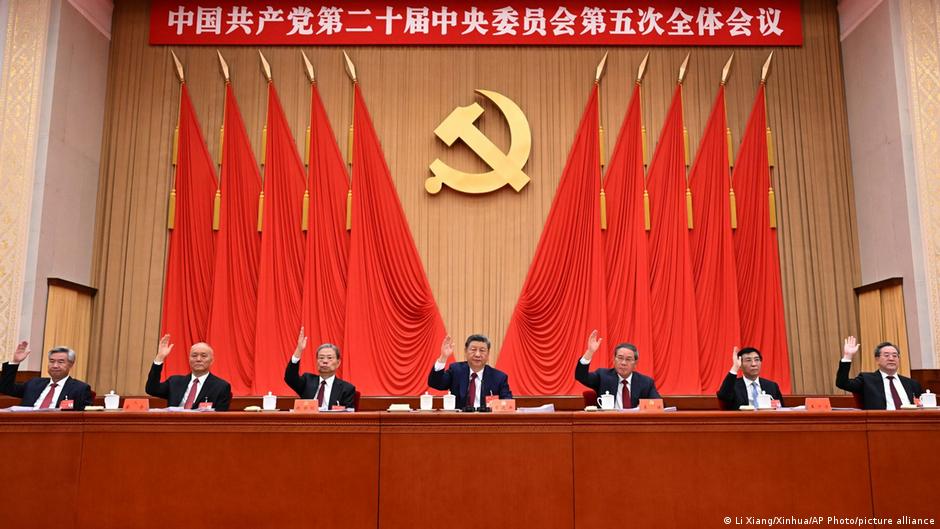
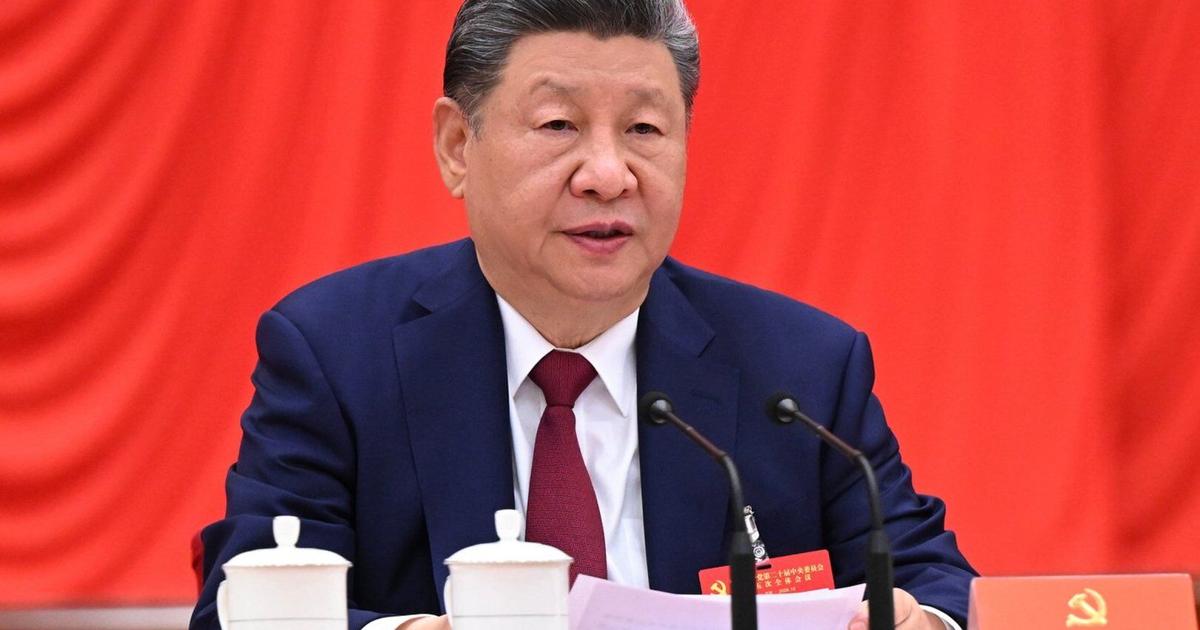
The 20th Central Committee of the CPC held its fifth plenary session from Monday to Thursday in Beijing, adopting a resolution on persevering with full and rigorous Party self-governance, which also highlighted the importance of combating corruption.
asserted
which → hold → corruption
Fighting corruption to safeguard public interests
The fight against corruption is not simply about punishing officials who break the rules.
asserted
who → fight → rules
It is also about strengthening the Party’s ability to govern and ensuring that public power serves the interests of the people.
asserted
power → strengthen → people
The endeavors to advance full and rigorous governance over the Party in the new era have broken new ground in the self-reform of the century-old Party and brought about historic achievements and transformations in the cause of the Party and the country, according to a communique of the session released on Thursday.
uncertain
endeavors → advance → Thursday
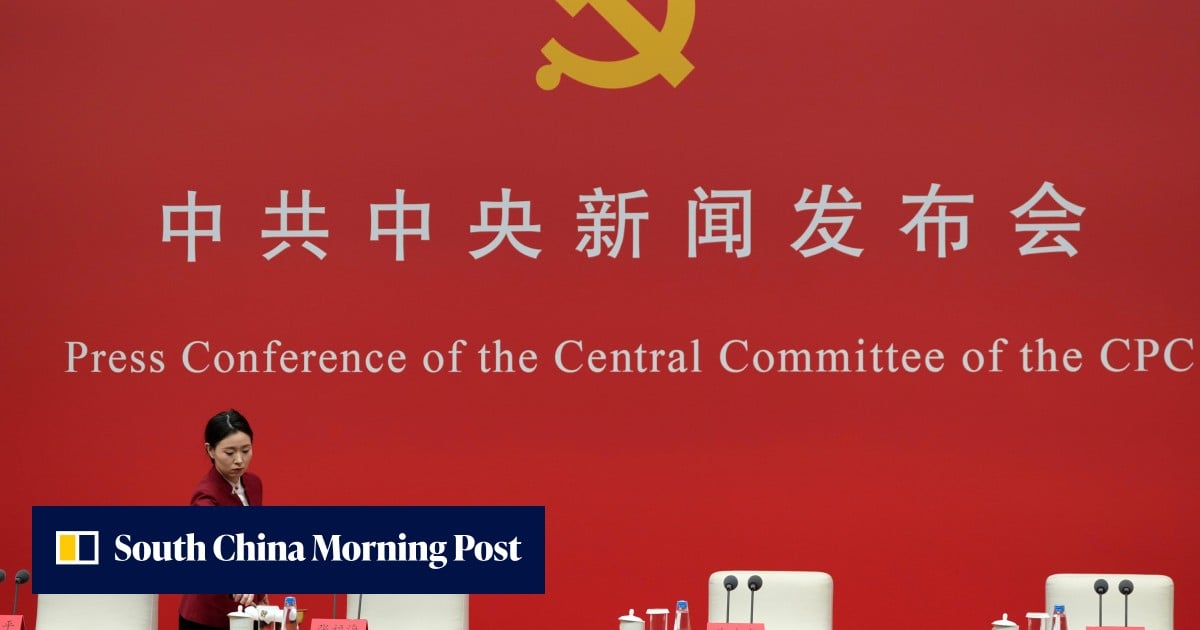
Zhang Fuhai, deputy secretary of the Central Commission for Discipline Inspection of the CPC, said the CPC has outlined four areas of focus for steadfastly pursuing a distinctive Chinese path to combating corruption at a press conference on the guiding principles from the fifth plenary session of the 20th CPC Central Committee.
asserted
CPC → say → Committee
Among them, Zhang stressed strengthening efforts to tackle corruption in sectors where power is concentrated and large amounts of funds and resources are involved, with a focus on cases involving intertwined political and economic interests, collusion between officials and businesses, and the infiltration of political circles by capital.
asserted
amounts → stress → capital
Zhang also said greater attention will be paid to uncovering new and concealed forms of corruption, while misconduct and corruption affecting people at the grassroots level will be addressed on a regular basis.
asserted
misconduct → say → basis
The scale of the campaign is reflected in the figures.
asserted
scale → reflect → figures
Since the 18th CPC National Congress in 2012, discipline inspection and supervisory organs across the country have filed 8.105 million cases and punished 7.922 million people, according to Zhang.
uncertain
organs → file → Zhang
China’s approach also seeks to address the institutional and ideological roots of corruption.
asserted
approach → seek → corruption
Xie Maosong, a senior researcher at the National Institute of Strategic Studies under Tsinghua University, said the CPC regards corruption as a major threat to its governing foundation and considers combating it a long-term task that requires both determination and institutional safeguards.
asserted
that → say → determination
“A central principle of this approach is to address corruption through three interconnected measures: making officials afraid to engage in corruption, making it impossible for them to do so and fostering an unwillingness to do so,” said Xie.
asserted
Xie → address → unwillingness
Specifically, the first relies on strict enforcement and credible deterrence, the second focuses on improving institutions, tightening oversight and placing checks on the exercise of power, while the third emphasizes education, ethical awareness and a stronger commitment to public service, added Xie.
asserted
Xie → rely → service
Turning organizational strength into effective governance
With China in its 15th Five-Year Plan period (2026-2030), the question of how to translate the CPC’s organizational strength into effective governance and development momentum has taken on added significance.
The CPC has more than 100 million members and over 5.4 million primary-level Party organizations, giving it a powerful advantage unmatched by any other political party in the world, said Huang Jianfa, deputy head of the Organization Department of the CPC Central Committee.
asserted
Jianfa → turn → Committee
But the size of an organization alone does not guarantee effective governance.
asserted
size → guarantee → governance
The key lies in how its members are selected, managed, trained and held accountable.
asserted
members → lie → ?
Full and rigorous Party self-governance requires strict management of officials, according to the communique.
uncertain
governance → require → communique
It calls for building a high-caliber cadre workforce with strong political commitment, professional competence, sound work styles and strict discipline.
asserted
It → call → commitment
Huang outlined five priorities in strengthening cadre management, ranging from upholding the right criteria for selecting and appointing officials to strengthening the officials’ ability to take initiative and deliver results.
asserted
Huang → outline → results
These priorities reflect a broader recognition that China’s development goals require not only sound policies but also officials capable of implementing them effectively.
asserted
goals → reflect → them
Xia Lu, an expert on Party building at Renmin University of China, said, “The quality of the ruling party directly shapes a country’s capacity to achieve modernization, forming a clear causal chain: Party self-governance leads to effective governance, which delivers development, paves the way for modernization and ultimately brings about national rejuvenation.
asserted
which → say → rejuvenation
Xia also said a country’s long-term development requires organizational continuity, as infrastructure, industrialization, education, technological upgrading and poverty reduction often depend on policies that endure across decades rather than the lifespan of a single administration.
asserted
that → say → administration
So the selection and evaluation of officials matters enormously, as development depends on a bureaucracy capable of learning, implementing and adapting, not merely one that follows procedures, Xia said.
asserted
Xia → matter → procedures
 The Aporia