The Aporia
Connolly, P. (2026, October 30). How to perform CPR: why compressions are vital. The Sydney Morning Herald. https://www.smh.com.au/national/how-to-perform-cpr-why-compressions-are-vital-20261031-p616sd.html?ref=rss&utm_medium=rss&utm_source=rss_feed
Connolly, Paul. “How to perform CPR: why compressions are vital.” The Sydney Morning Herald, 30 Oct. 2026, https://www.smh.com.au/national/how-to-perform-cpr-why-compressions-are-vital-20261031-p616sd.html?ref=rss&utm_medium=rss&utm_source=rss_feed.
Connolly, Paul. “How to perform CPR: why compressions are vital.” The Sydney Morning Herald, October 30, 2026. https://www.smh.com.au/national/how-to-perform-cpr-why-compressions-are-vital-20261031-p616sd.html?ref=rss&utm_medium=rss&utm_source=rss_feed.
Dated from the outlet's own feed. Check the original for its byline.
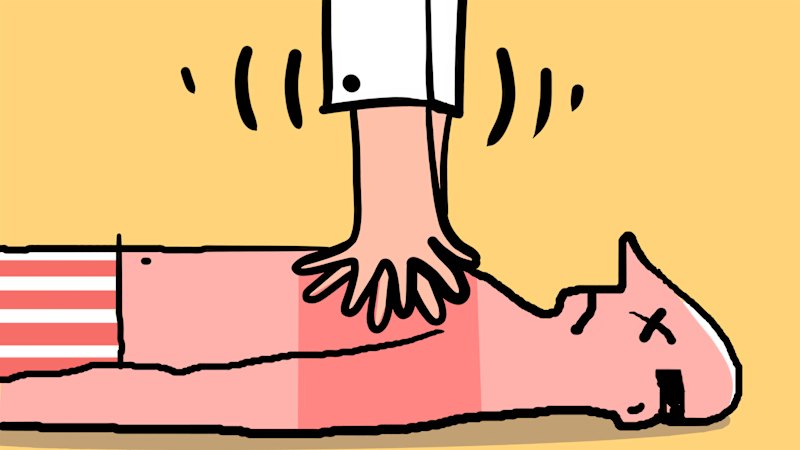
Simon Cowie, a former paramedic and current cardiac-arrest spokesperson at the Heart Foundation, emphasizes that performing CPR on someone who is unconscious and not breathing is crucial because they are essentially dead without intervention. According to the Heart Foundation, only one in ten people survive a cardiac arrest outside of hospital settings, but this survival rate doubles if CPR begins early. Survival chances increase to 60-70 percent if both CPR and an automated external defibrillator (AED) are used within three to five minutes.
The Heart Foundation now recommends that untrained rescuers should focus solely on compressions—pressing hard and fast in the center of the chest—unless instructed otherwise by emergency services. This approach is based on evidence that rescue breaths, which require specific techniques, were often not being performed effectively. Cowie stresses that any attempt at CPR is better than no action at all, as it significantly improves a person's chances of survival.