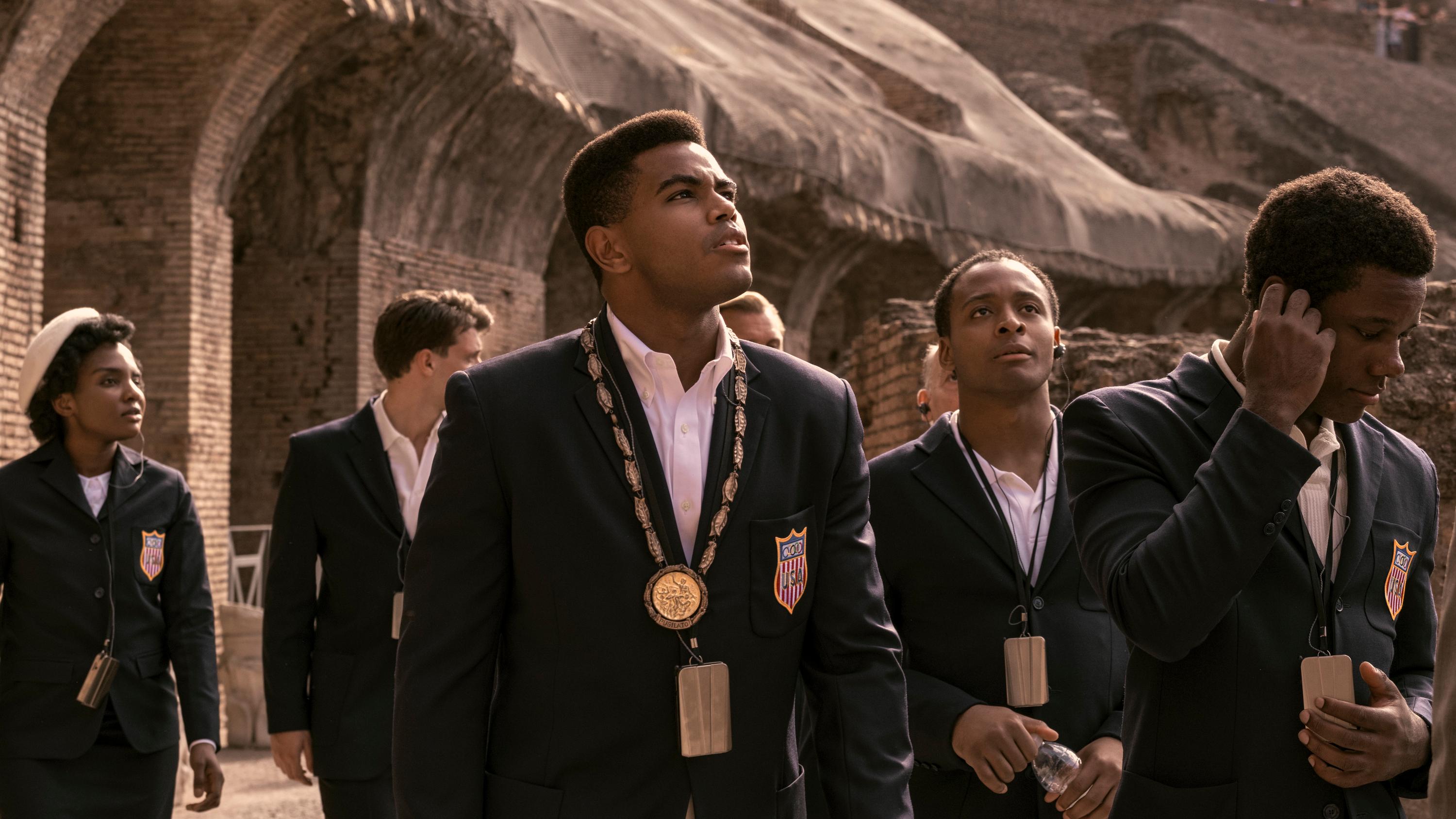
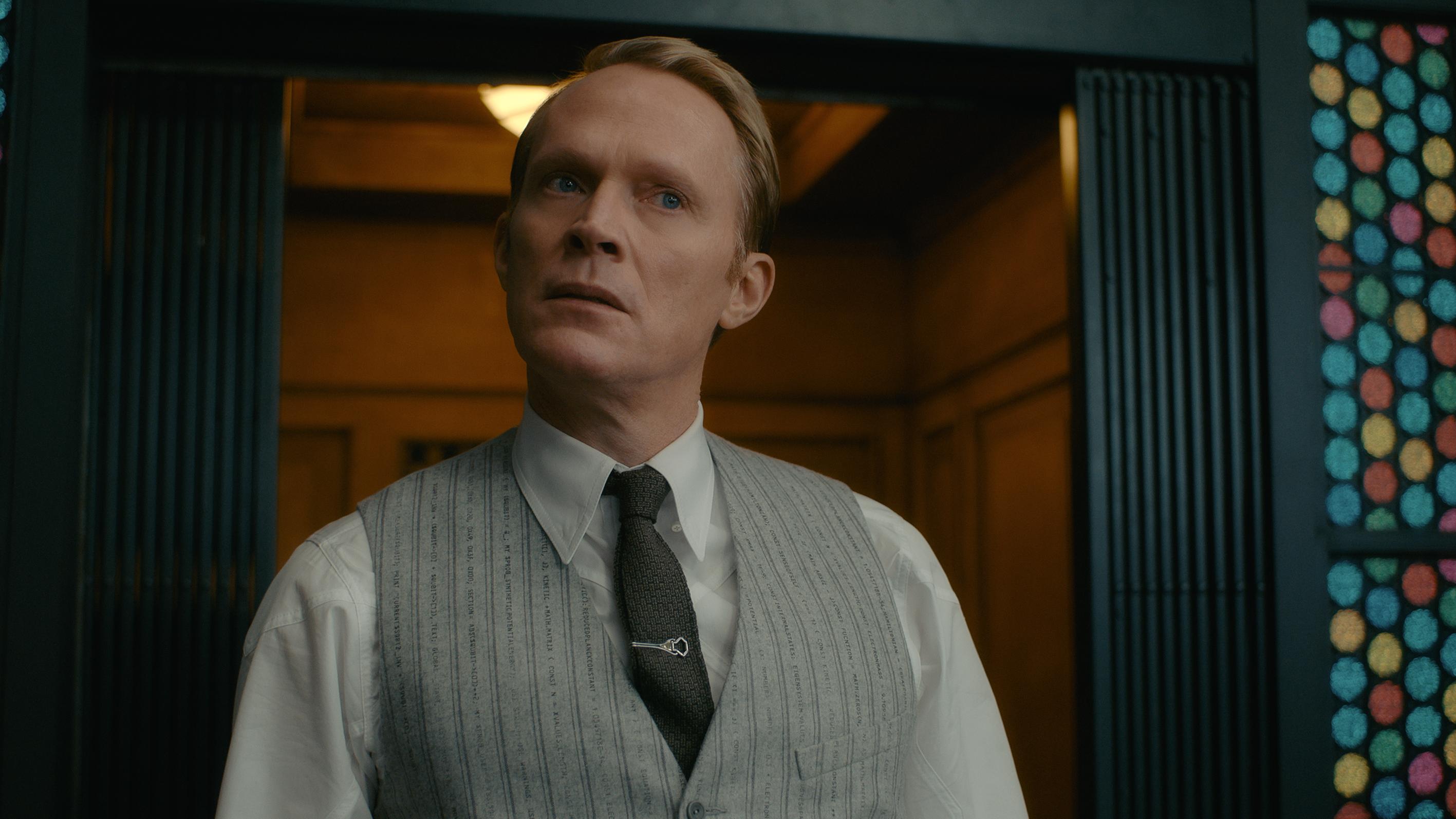
“What do you think it is about Cassius that makes him able to do things that other men find impossible?” Malcolm X (Michael Ealy) asks Muhammad Ali’s stalwart trainer, Angelo Dundee (Giovanni Ribisi), in Prime Video’s stylistically conventional yet unusually insightful The Greatest.
asserted
X → think → Greatest
“What spark inside him makes him so different from other people?”
asserted
him → make → people
These questions fuel the series, streaming in full on Nov. 4, which finds in the relative newcomer Jaalen Best an ideal young Cassius Clay, a bold boxing phenom on a quest to become the heavyweight champion of the world—and a spiritual journey that will change both his faith and his name.
asserted
that → fuel → faith
It counts his widow, Lonnie Ali, among its executive producers.
asserted
It → count → producers
(Michael B. Jordan, who played the Ali-esque title character in the Creed movies, is another.)
asserted
who → play → movies
Such projects can default to hagiography.
asserted
projects → default → hagiography
And Ali has already been portrayed many times on screen.
asserted
Ali → portray → screen
But creator Ben Watkins (Cross) doesn’t dodge the tougher aspects of his subject’s life.
asserted
Watkins → dodge → life
What justifies this retelling is not only the care he and Best take in recounting what Ali achieved, but also conveying what made him capable of greatness.
asserted
him → justify → greatness
The Greatest is bookended by career highlights: the 1960 Rome Olympics, where Ali won gold at 18, and his first heavyweight championship in 1964.
asserted
Ali → bookende → 1964
That fight, against Sonny Liston, must be his most extensively documented moment.
asserted
fight → document → Liston
Michael Mann opened his 2001 biopic Ali, starring Will Smith, with an immersive restaging of the match.
asserted
Mann → open → match
Regina King’s 2020 film One Night in Miami imagines its afterparty, a meeting of the minds between Eli Goree’s Ali, Malcolm X, Jim Brown, and Sam Cooke.
asserted
film → imagine → Ali
In ending where these predecessors begin, the series traces how the upstart Cassius Clay crafted Muhammad Ali, the legend.
asserted
Clay → end → Ali
Best’s Ali reads as a significantly younger man than the versions in Mann’s and King’s movies.
asserted
Ali → read → movies
Instead of detracting from his astonishing self-possession, Cassius’ fresh face makes those qualities seem more remarkable.
asserted
qualities → detract → possession
Upon his return from Italy, where he enjoyed a relative reprieve from anti-Black racism, to his segregated hometown of Louisville, Ky., he is again a teenager in his parents’ humble household.
asserted
he → enjoy → household
He has a mutually adoring bond with his mother, Odessa (Dana Gourrier, excellent), a domestic servant who wants nothing fancier than to give her children a better life.
asserted
who → have → life
His father, Cash (Omari Hardwick), had dreams of becoming a great artist but settled for painting signs and drowning his disappointment in alcohol and women.
asserted
father → have → alcohol
But any rivalry is outweighed by Rudy’s sincere wish to help a sibling he recognizes as a generational talent.
asserted
he → outweigh → talent
An 18-year-old rocketing to the top of a lucrative sport is sure to meet many people eager to buy stock in his future.
asserted
old → rocket → future
Especially if he is Black and working-class, he’ll be treated as though he owes them something.
asserted
he → treat → something
As he prepares to go pro, Cassius is swarmed by this type.
asserted
Cassius → prepare → type
“I knew you had the skill,” one tells the gold medalist.
asserted
one → know → medalist
“Wasn’t sure you had the work ethic.”
asserted
you → have → ethic
The prejudice underlying this comment would be obvious even if we didn’t see Cassius exhaust himself in training sessions.
asserted
Cassius → underlie → sessions
But he knows he deserves respect, and he refuses to work with anyone, Black or white, who tries to humble him.
asserted
who → know → him
This can look like arrogance, but it’s also an accurate self-assessment.
asserted
it → look → arrogance
As Angelo puts it: “You don’t teach Michelangelo how to paint.”
asserted
You → put → Michelangelo
How does a person as systemically disadvantaged as Cassius come to believe so fervently in himself?
asserted
person → come → himself
Watkins offers three compelling explanations, all implied through his behavior rather than overstated via exposition.
asserted
all → offer → exposition
One is the strength of his will—his innate ability to tune out skeptics and distractions.
asserted
One → tune → skeptics
Another is his mother and brother’s unwavering love, which counteracts the hatred he experiences.
asserted
he → counteract → hatred
Finally, in rare instances when his poise wavers, he can fall back on the rhyming, boasting showmanship he gleans from the flamboyant pro wrestling heel Gorgeous George (WWE alum Chris Jericho, in an apt cameo).
asserted
he → waver → cameo
Cassius’ singular personality is thrown into relief by Sonny (Amin Joseph), who is depicted as his antithesis in life as in the ring.
asserted
who → throw → ring
An ex-con and abuse survivor, he has internalized every monstrous caricature of Black manhood Cassius actively resists.
asserted
Cassius → internalize → manhood
Even as the champ, with the love and guidance of a canny wife (Erica Tazel), he’s poisoned by self-hatred.
asserted
he → poison → hatred
Ultimately, he behaves like the beast a racist press makes him out to be.
asserted
him → behave → beast
Watkins lets us sit in discomfort, watching Cassius use the same stereotypes (“big, ugly bear”) to taunt Sonny.
asserted
Cassius → let → Sonny
The Greatest rarely deviates from the bio-drama template, with its archetypal hero’s journey.
asserted
Greatest → deviate → journey
…and 8 more, not listed.
 The Aporia