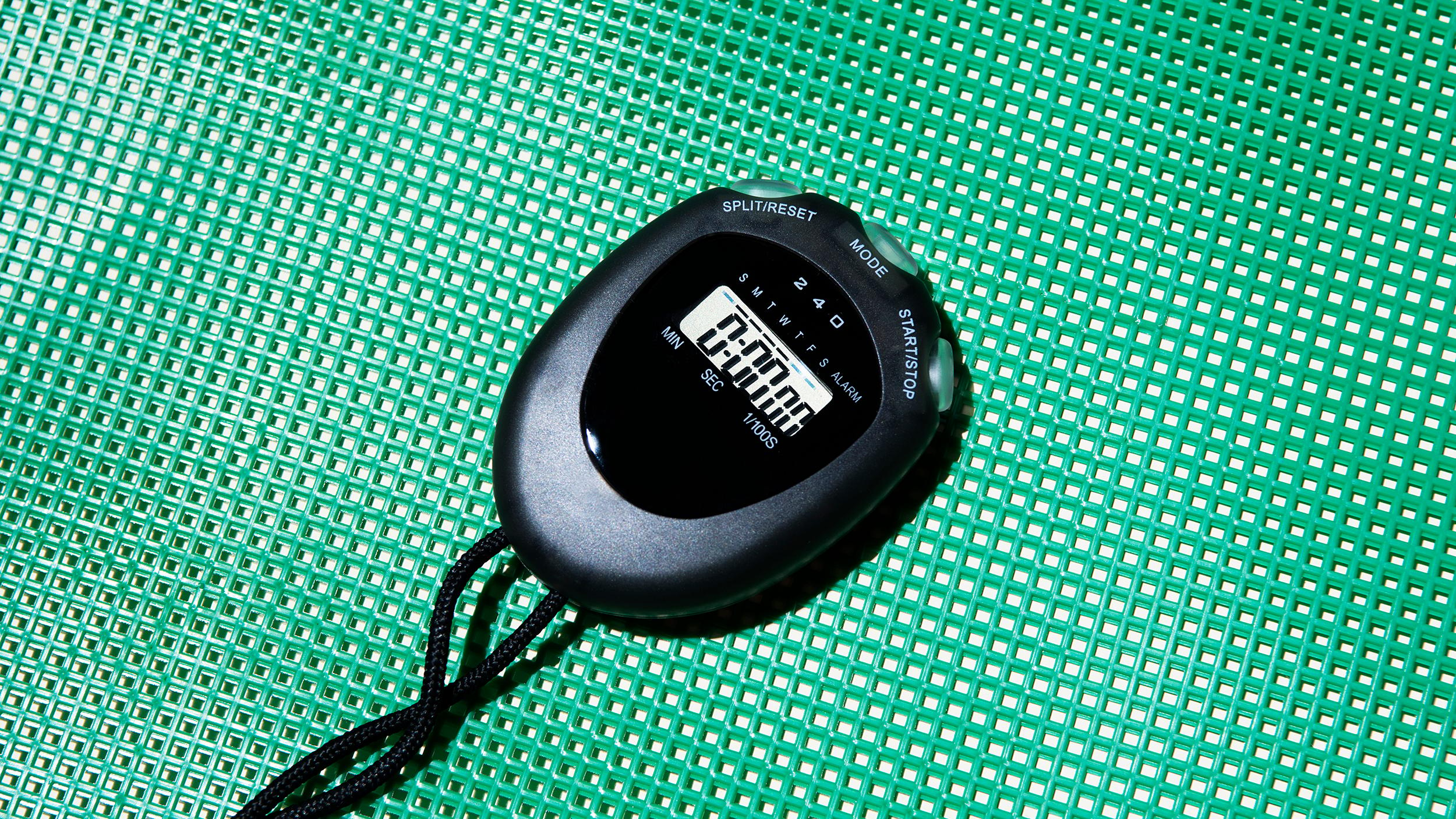
Photo via TIME

Is Running a Marathon Good for Your Heart?

Read the original at TIME ↗
Cite

Greenwood, V. (2026, October 30). Is Running a Marathon Good for Your Heart? TIME. https://time.com/article/2026/10/30/is-running-a-marathon-good-for-your-heart/

Dated from the outlet's own feed. Check the original for its byline.

TIME · collected 2026-10-30 · by Veronique Greenwood

Quick Summary

A study from 2025 reported that there were 176 cardiac arrests during long-distance running events in the U.S., despite about 29 million finishers. This rare occurrence raises questions about the health risks associated with marathons. Experts agree that while intense training and racing can temporarily stress the heart, causing elevated markers of damage which quickly return to normal levels, regular moderate-intensity exercise significantly improves cardiovascular health. They emphasize that underlying undiagnosed genetic or acquired heart diseases are typically responsible for fatalities during races, not the marathon itself.
Written by AI on 2026-11-01, from this article's own text only (the story summary below draws on all the coverage).

AI analysis

Story summary

Every so often, headlines emerge about marathon runners collapsing and dying during or shortly after races. A 2025 study documented 176 cardiac arrests among long-distance runners in the U.S., out of approximately 29 million finishers, highlighting the rare but serious risk. Despite this, experts maintain that regular exercise is beneficial for heart health. David Oxborough, a professor at Liverpool John Moores University, asserts that "exercise is good for the heart," noting its ability to improve cardiovascular risk and reduce mortality. The training process, which can span months or years, gradually builds endurance, making the marathon itself safer for most participants when approached with proper preparation.

Written for “Marathon Health Effects” on 2026-11-02, grounded in this article and the 0 other(s) covering the same event.

Story

📰 Marathon Health Effects
Health · 1 article(s) covering the same event.

Compared with similar articles

Nothing to compare against. No article is close enough to this one for the pipeline to have linked or judged the pair.
How this article was measured signals, leaning charts, publisher record, byline, topics and claims

Signals How these are calculated →

Claims extracted
42
sentences that state something as happening or true
Uncertain
10%
4 of 42 hedged ("reportedly", "may", "according to")
Leaning
not political
takes no side on a contested political question
Publisher signals
59/100
TIME's corrections and hedging, across everything collected from it. Not a measure of accuracy.
Outlets on this story
1
Health
Same framing elsewhere
1
articles that frame the event the way this one does
Analyzed 2026-11-01 · how these are computed

How this is being covered How these are calculated →

Article leaning vs. publisher reliability
Source leaning vs. consistency

Publisher

TIME · 786 article(s) · 2 correction(s) detected
Running correction rate · 2 correction(s)

Who wrote this

Veronique Greenwood
9 article(s) here · 1 carrying a prediction
🔮 Every so often, after a marathon, headlines will pop up about a marathon runner collapsing and dying during or shortly after the race.
2026-10-30 · assertive framing · Is Running a Marathon Good for Your Heart?
🔮 Uncovering the links between certain infections and cancers raises the hope that by preventing infection, one could prevent certain malignancies.
2026-10-13 · assertive framing · These Infections Are Linked to 12% of New Cancer Cases
🔮 At the same time, Russian authorities have reportedly quarantined as many as 200 people, which public-health experts say would be an unusual response to an isolated case of pneumonia.
2026-10-07 · assertive framing · What Worries Experts About the Russia 'Plague' Incident
🔮 They may include painful body aches as well as fever and can last up to 10 days.
2026-10-02 · assertive framing · What to Know About the Dengue Outbreak in the U.S.
🔮 Keeping active in older age pays dividends Encouraging older people to take it slowly might sound like reasonable advice, says Margaret Danilovich, a physical therapist and instructor at Northwestern University and an author of the new paper.
2026-09-30 · assertive framing · Walking Faster May Help Reverse Frailty
🔮 As millions of people aged 60 and older received the shots, researchers watched and waited to see whether the efficacy numbers seen in clinical trials, which were quite high, would be mirrored in the real world.
2026-09-21 · assertive framing · RSV Vaccines Are Highly Effective in Older Adults
🔮 “There might be some danger, and we need to respond.”
2026-09-21 · mixed framing · Can ‘Pink Noise’ Help You Sleep Better?
🔮 Recent research has found that might be a problem.
2026-09-12 · assertive framing · Nighttime Light Exposure Is Linked to Heart Changes
🔮 The store feels like it’s on the far side of the Amazon, or maybe the Gobi.
2026-08-28 · assertive framing · How Your Body Adapts to Changing Temperatures
Also by Veronique Greenwood
Nothing else under this byline is closely related to this article, so these are simply their most recent.
All 9 articles by Veronique Greenwood →

Topics

Liverpool John Moores University U.K. U.S. the University of Hertfordshire

Subjects

Oxborough PERSON · 4× U.K. GPE · 3× U.S. GPE · 2× Daniel Muniz PERSON · 1× David Oxborough PERSON · 1× Liverpool John Moores University ORG · 1× Muniz PERSON · 1× the University of Hertfordshire ORG · 1×

Narrative

“But if you start training and you start running for 20 minutes, or run and walk, and then transition to run for 20 minutes, 30 minutes, 40 minutes, and then you do that for a number of months, I think most people should be able to eventually run a marathon,” he says.
framing: assertive · carried by 1 article(s) · first seen 2026-11-01
🔮 Every so often, after a marathon, headlines will pop up about a marathon runner collapsing and dying during or shortly after the race.
2026-11-01 · TIME
Is Running a Marathon Good for Your Heart? · assertive framing

Claims (42 extracted, 4 hedged)

Every so often, after a marathon, headlines will pop up about a marathon runner collapsing and dying during or shortly after the race. asserted
runner → pop → race
It’s rare, but it happens: A 2025 study found records of 176 cardiac arrests during long-distance running events in the U.S. out of about 29 million people who finished the races. asserted
who → ’ → races
Deaths like these raise the question of whether such an intense physical feat as a marathon can possibly be dangerous, or at least unhealthy, for the heart. uncertain
feat → raise → heart
We asked scientists who study marathoners about long-distance races and heart health, plus what runners can do to keep themselves safe. asserted
runners → ask → themselves
“Exercise is good for the heart,” says David Oxborough, professor of echocardiography and cardiovascular physiology at Liverpool John Moores University in the U.K. asserted
Oxborough → say → U.K.
“We know that regular moderate-intensity exercise improves your cardiovascular risk, it reduces mortality, and it has real positive benefits. asserted
it → know → benefits
Of course, training for a marathon—which can take months or years of steady increases in endurance—is different from the act of running the race itself, says Daniel Muniz, senior lecturer in exercise physiology at the University of Hertfordshire in the U.K. asserted
Muniz → train → U.K.
“Running a marathon is a big physiological stress. asserted
Running → run → marathon
You're going to hurt after…and if you look at markers in your physiology, everything is going to be all over the place.” asserted
everything → go → place
(Oxborough, who has studied some of these elevated markers, says that they come back down swiftly and don’t seem to be linked to long-term damage. asserted
they → study → damage
But the consistent training that running a marathon requires carries positive effects for physical and mental health, Muniz continues. asserted
Muniz → run → health
“The benefits far outweigh the negatives. asserted
benefits → outweigh → negatives
I think that's very fair to say.” asserted
that → think → ?
Why do people die running marathons, then? asserted
people → die → marathons
Dying during a marathon is extremely uncommon, says Oxborough. asserted
Oxborough → die → marathon
What’s more, it doesn’t seem random. asserted
it → ’ → ?
People who die during endurance running events tend to fall into two categories, often identified after the fact: either younger people who have undiagnosed genetic heart problems, or middle-aged men who have heart disease without any symptoms. asserted
who → die → symptoms
“If you've got underlying disease, then there is a risk of sudden cardiac death. asserted
you → get → death
If you're under the age of 35, that is usually caused by an inherited cardiac disease, such as cardiomyopathy. asserted
that → cause → cardiomyopathy
As you go over 35, the main cause is more acquired disease, like coronary artery disease,” he says. asserted
he → go → disease
How can you find out if your heart is healthy enough for a marathon? asserted
heart → find → marathon
“You should, absolutely,” says Oxborough. asserted
Oxborough → say → ?
“We do pre-participation cardiac screening for young people in competitive sport. asserted
We → do → sport
We have charities in the U.K. asserted
We → have → U.K.
It's now becoming much more accepted in the U.S., and it wasn't before. asserted
it → become → U.S.
That’s enough to start the process of figuring out whether people might have an inherited disease, the experts say. uncertain
experts → ’ → disease
If they do, it doesn’t mean they have to stop training. asserted
they → do → training
It just might shape how they decide to train and manage their risk. uncertain
they → shape → risk
The problem with coronary artery disease is that many people have no symptoms in the early stages. asserted
people → have → stages
If you’re thinking of running a marathon and you’re over 35 or 40, here’s what Oxborough recommends: “Go speak to your GP. asserted
recommends → think → GP
Have a 12-lead ECG done. asserted
ECG → have → ?
Have your blood done. asserted
blood → have → ?
Make sure your cholesterol levels are normal. asserted
levels → make → ?
Have your blood pressure taken, and if any of them show any sign that they may be a higher risk, then we recommend an exercise stress test. uncertain
we → have → test
And if you're very lucky, if you're able to access it, a CT coronary angiogram asserted
you → access → ?
,” he says. asserted
he → say → ?
These are tests that will help establish your baseline and what is likely to be happening in your arteries before you really ramp up training. asserted
you → help → training
Not all of these are required, but “a baseline test of risk is really important, and that you can do at your GP,” he says. Can anyone run a marathon? asserted
anyone → require → marathon
“I am of the opinion that most people with training should be able to run a marathon. asserted
people → run → marathon
,” says Muniz. asserted
Muniz → say → ?
…and 2 more, not listed.

💬Give feedback
🕘History 🎫Support