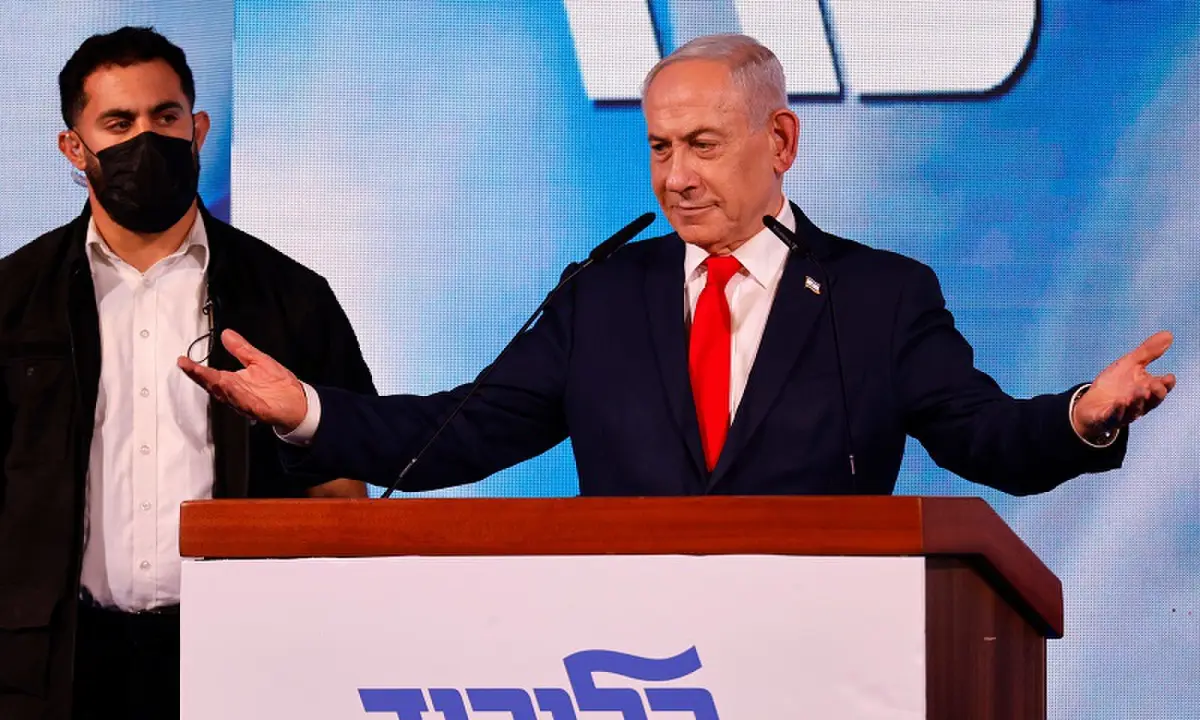
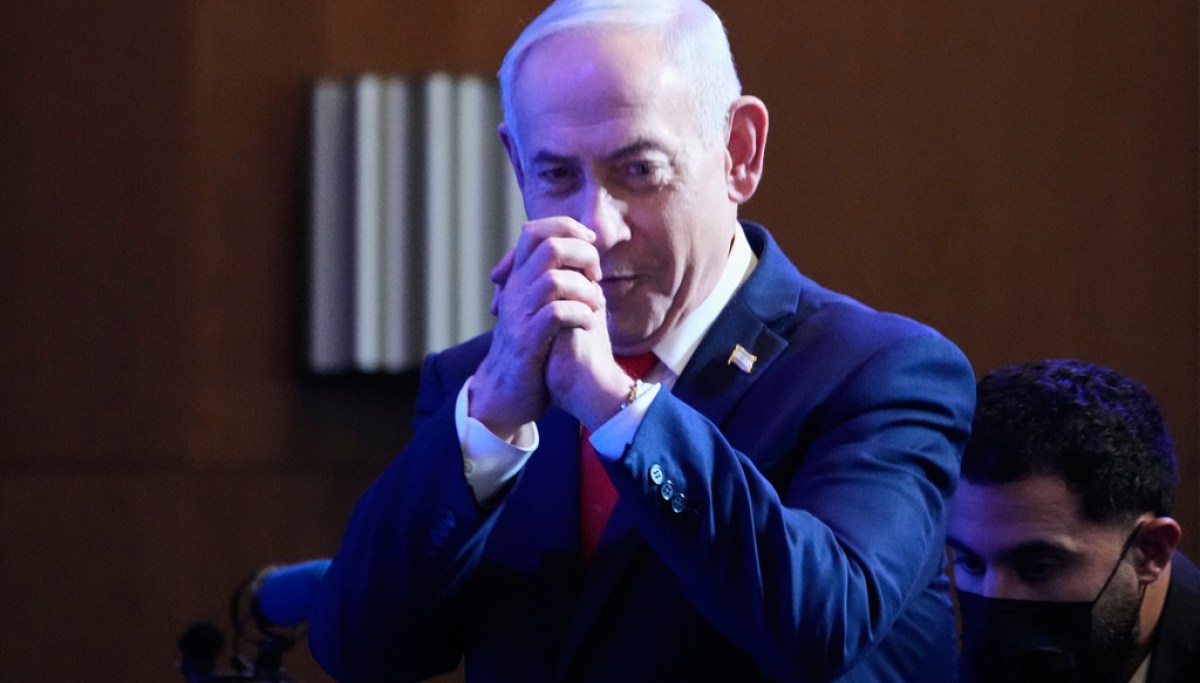
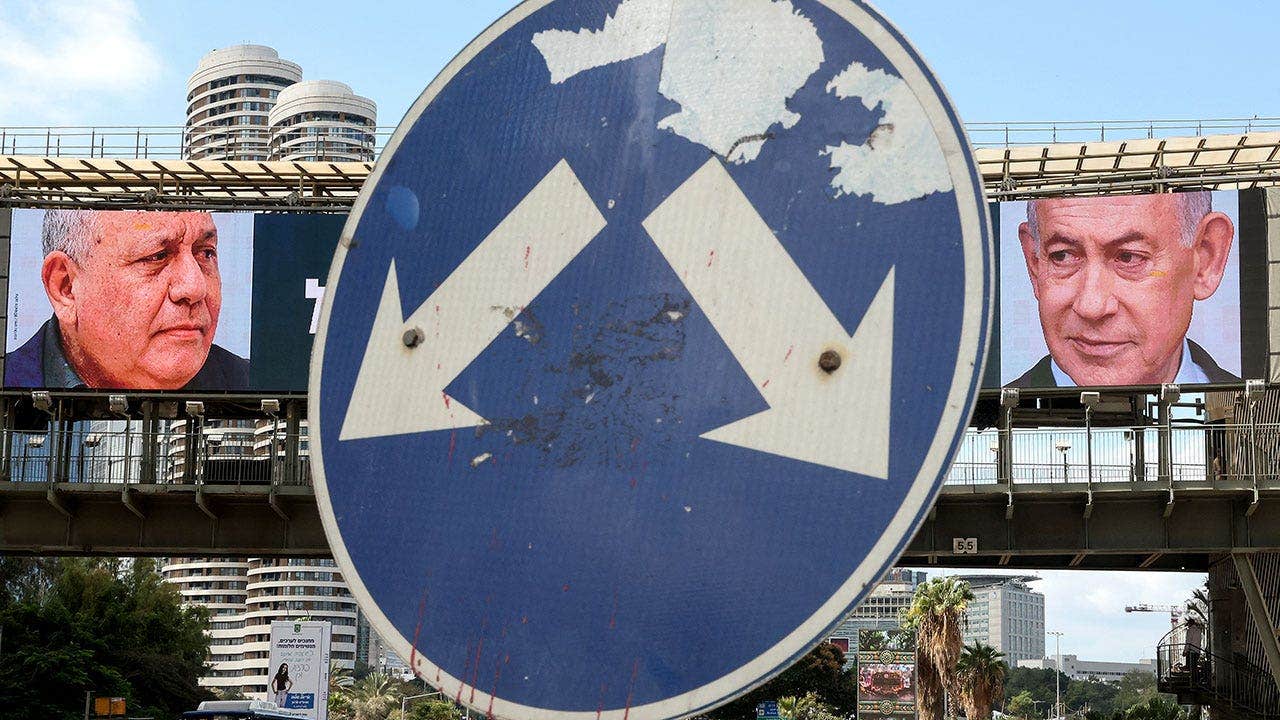
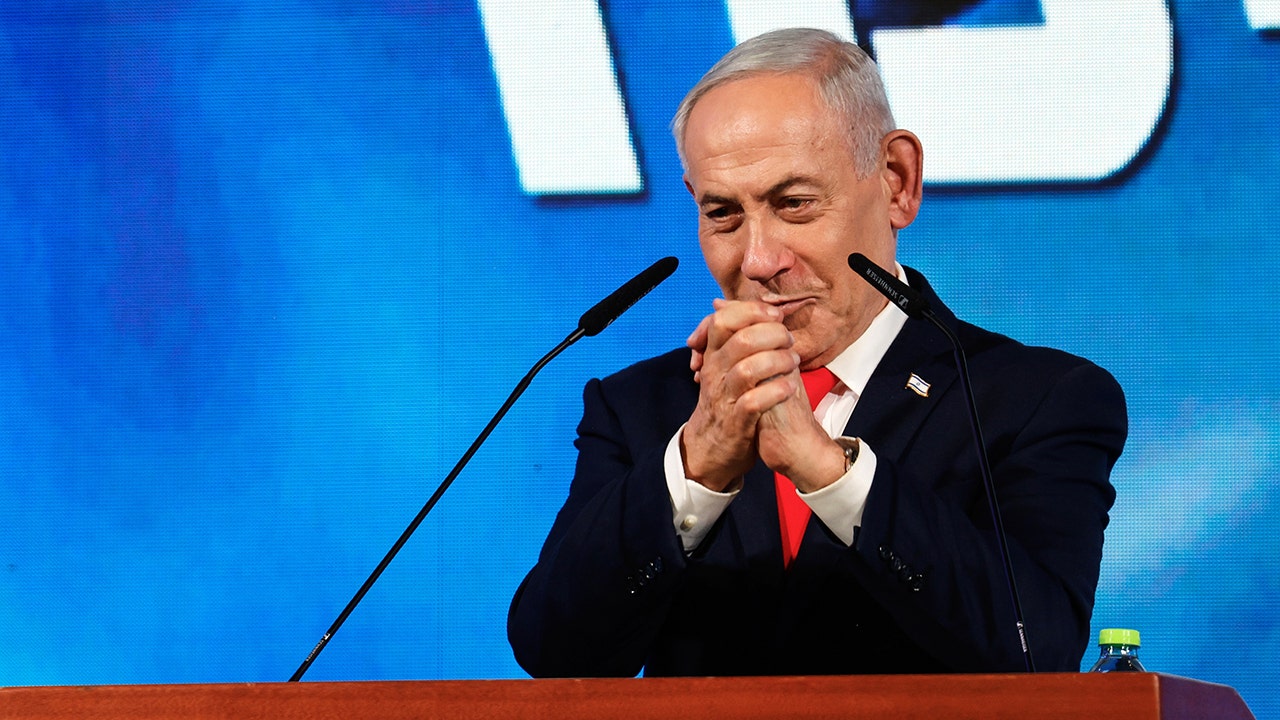
Israel's final election count has confirmed that Prime Minister Benjamin Netanyahu's bloc has lost its parliamentary majority, but whether opposition leader Gadi Eisenkot can assemble a government to replace him remains an open question as negotiations begin behind closed doors.
asserted
negotiations → confirm → doors
The completed count, published early Friday by Israel's Central Elections Committee, gave Netanyahu's bloc 53 seats in the 120-member Knesset, compared with 48 for Eisenkot's opposition alliance.
asserted
count → complete → alliance
The two predominantly Arab parties secured a historic 19 seats, placing them in a potentially decisive position.
asserted
parties → secure → position
Netanyahu's Likud emerged as the largest individual party with 27 seats, followed by Eisenkot's Yashar with 21 and former Prime Minister Naftali Bennett's Beyachad with 12.
asserted
Likud → emerge → 12
Final voter turnout reached 77.9%, according to the Central Elections Committee results.
But the numbers leave neither major bloc with the 61 seats required for a majority, opening a complex political struggle involving potential partnerships with Arab parties, ultra-Orthodox lawmakers or a unity government bringing together longtime rivals.
uncertain
numbers → reach → rivals
A source familiar with opposition discussions, who spoke to Fox News Digital on condition of anonymity, described the outcome as a "bitter stalemate," but not an impossible political situation.
asserted
who → speak → stalemate
The source said opposition leaders are approaching coalition negotiations with patience and experience rather than treating the inconclusive results as a defeat, arguing that the next government could depend on their ability to forge partnerships that previously seemed unlikely.
uncertain
that → say → partnerships
Ultra-Orthodox allies explore a break with Netanyahu
asserted
allies → explore → Netanyahu
In a potentially significant development Friday, Israeli journalist Yishai Cohen of Kikar HaShabbat reported that Rabbi Dov Lando, a leading ultra-Orthodox religious authority, had instructed lawmakers from Degel HaTorah, part of United Torah Judaism, to open discussions with the opposition.
asserted
Lando → report → opposition
According to the report, the objective is to reach an arrangement protecting the status of yeshiva students amid the longstanding dispute over mandatory military service.
uncertain
objective → accord → service
Channel 12 reported that figures within the ultra-Orthodox party were considering allowing an Eisenkot-led minority government to survive through outside parliamentary support, potentially breaking with Netanyahu.
asserted
government → report → Netanyahu
"Our votes are not in Netanyahu's pocket," party figures told Channel 12, according to a translation of the Hebrew-language report.
However, the office of United Torah Judaism Chairman Yaakov Asher denied that any instruction to begin negotiations had been issued.
uncertain
instruction → tell → negotiations
Such an arrangement would represent a significant shift from the party's longstanding alliance with Netanyahu.
asserted
arrangement → represent → Netanyahu
Eisenkot's pledge to expand military conscription among ultra-Orthodox men remains a major obstacle, although Channel 12 reported that party figures were willing to consider a compromise on the issue.
asserted
figures → expand → issue
The source familiar with opposition discussions told Fox News Digital that Eisenkot's camp had been preparing for the possibility of cooperation with ultra-Orthodox parties well before the election, suggesting that some of the options now being discussed had already been under consideration behind the scenes.
asserted
some → tell → scenes
According to the source, such an arrangement could require compromises over military service and potentially outside parliamentary support from Arab lawmakers, bringing together political factions whose positions appeared irreconcilable during the campaign.
Arab parties signal flexibility, but obstacles remain
Another possibility rests with the Arab parties, which nearly doubled their parliamentary representation from 10 to 19 seats following a surge in turnout.
But the prospects of an Arab-backed government have drawn conflicting assessments.
uncertain
prospects → accord → assessments
Channel 12 reported Thursday that Ra'am leader Mansour Abbas had expressed deep skepticism about the possibility of establishing an Eisenkot-led minority government supported by Arab lawmakers.
asserted
Abbas → report → lawmakers
Israeli political commentator Amit Segal also argued that the available options had narrowed considerably, identifying a Netanyahu-Eisenkot unity government or another election as the two principal remaining possibilities.
asserted
options → argue → possibilities
Mohammed Majadla, head of the news division at Radio Nas and a Channel 12 political commentator, offered a different assessment in an interview with Fox News Digital, arguing that both Ra'am and the Joint List were prepared to use their parliamentary influence to prevent Netanyahu from returning to power.
asserted
Ra'am → offer → power
"The two Arab lists agree on two things," Majadla said in the Hebrew-language interview.
asserted
Majadla → agree → interview
"First, they are prepared to do everything within the political process to ensure Netanyahu does not return to power.
asserted
Netanyahu → prepare → power
According to Majadla, that could include joining a coalition, providing outside parliamentary support or abstaining from key votes.
uncertain
that → accord → votes
He said their second shared priority was avoiding another election, which Arab political leaders fear could reverse their gains.
uncertain
leaders → say → gains
"The ball is now in Eisenkot's court, not in the Arab parties' court," Majadla said.
asserted
Majadla → say → court
"As far as the Arab parties are concerned, I can tell you they are truly prepared to do everything to make this happen.
asserted
this → concern → everything
"
Majadla suggested that public declarations should not necessarily be treated as final positions, particularly as parties seek leverage during coalition negotiations.
uncertain
parties → suggest → negotiations
The difficulties extend beyond the Arab parties.
asserted
difficulties → extend → parties
Eisenkot's potential partners include politicians who strongly oppose cooperation with ultra-Orthodox factions, while several opposition leaders campaigned against relying on Arab lawmakers to govern.
asserted
leaders → include → lawmakers
A national unity government involving Likud and Yashar would offer a more straightforward mathematical route to a majority, but would require Eisenkot to reconsider his campaign pledge not to join a Netanyahu-led government.
asserted
government → involve → government
For Netanyahu, the lengthy coalition formation process could provide additional opportunities.
uncertain
process → provide → opportunities
If Eisenkot receives the mandate to form a government but fails, President Isaac Herzog could assign the task to another candidate, potentially giving Netanyahu another chance to assemble a coalition.
uncertain
Herzog → receive → coalition
If successive efforts fail, Israel could face another election.
uncertain
Israel → fail → election
Despite the obstacles, the source familiar with opposition discussions pointed to Bennett and Lapid's experience navigating complex coalition negotiations as an important asset.
asserted
source → point → asset
"They've both played this game many times.
asserted
They → play → game
They know it, and they're not rattled," the source said, according to a translation of the Hebrew-language conversation.
uncertain
source → know → conversation
The source suggested that Bennett's experience working with Netanyahu gives him a particular understanding of the prime minister's negotiating tactics, while Lapid brings additional experience in coalition-building.
uncertain
Lapid → suggest → building
Former Prime Minister Yair Lapid, one of the opposition's senior figures, acknowledged Friday that forming a government would be considerably more difficult than campaigning against Netanyahu.
asserted
forming → acknowledge → Netanyahu
"Now comes the truly hard part: trying to form a government," Lapid wrote on X, urging supporters to remain patient.
"It takes place in small rooms, slowly, away from the cameras," he wrote, according to a translation of his Hebrew-language statement, emphasizing the importance of negotiations conducted out of public view.
uncertain
he → come → view
The negotiations will also unfold against the backdrop of the Trump administration's Middle East agenda.
asserted
negotiations → unfold → agenda
The source familiar with opposition discussions said understanding Washington's regional priorities could become an important consideration in shaping a future government, although no specific American role in coalition negotiations has been confirmed.
uncertain
role → say → negotiations
…and 5 more, not listed.
 The Aporia