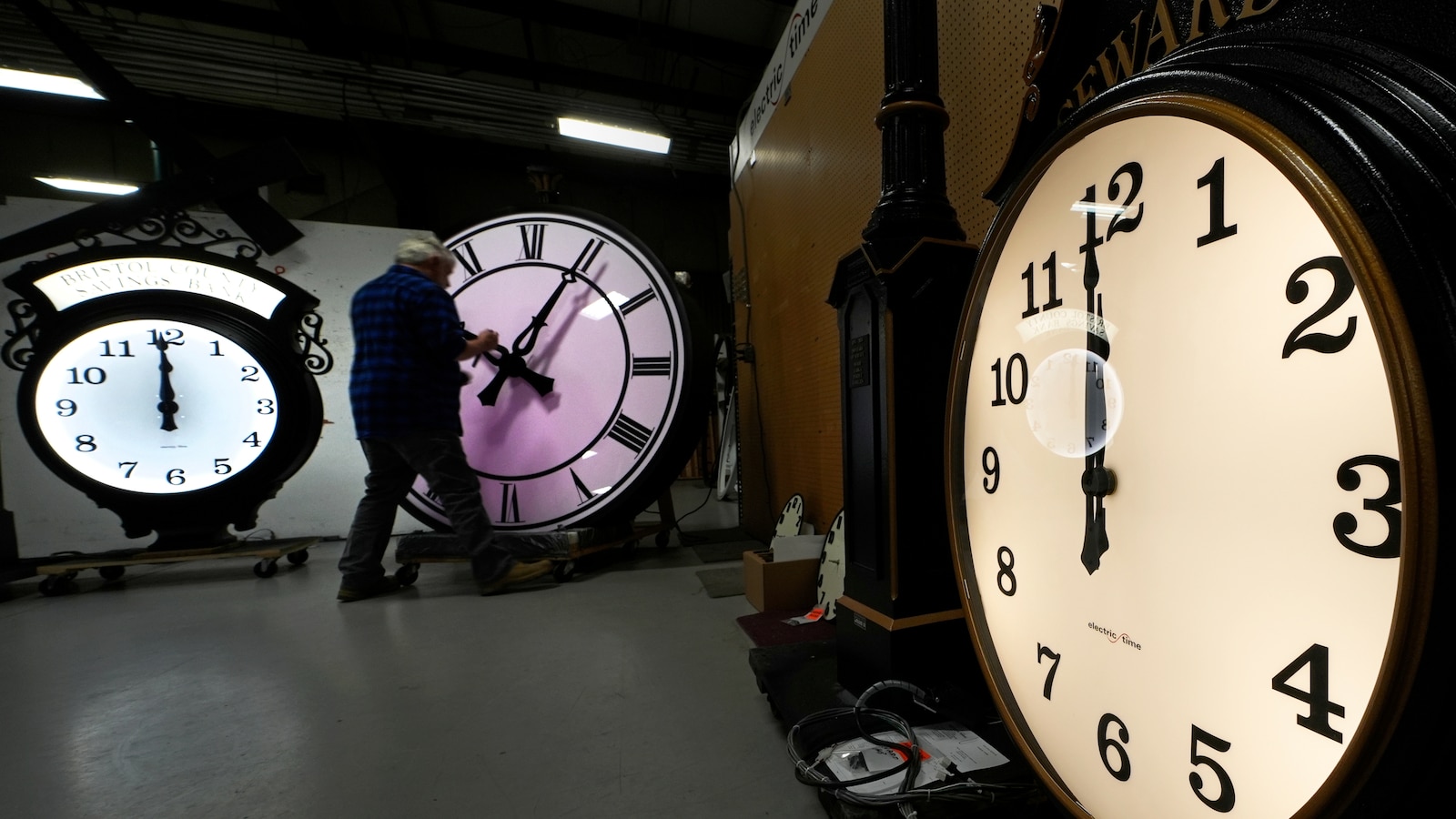
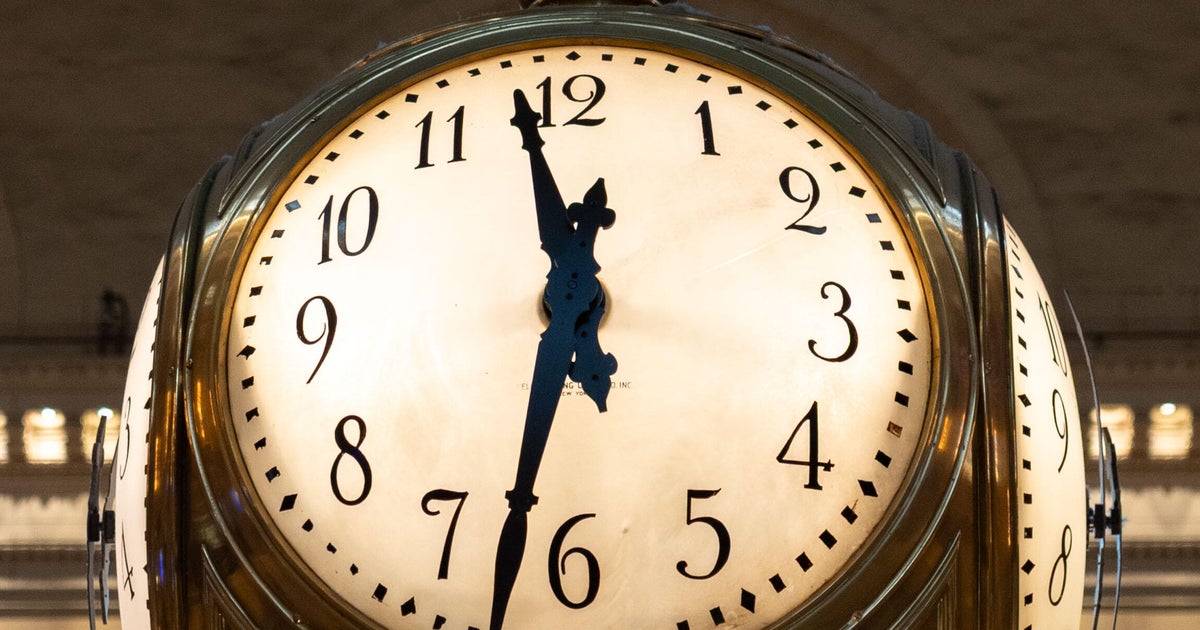
Lawmakers are one step closer to making
after the House passed a bill, with overwhelming support, that would end the twice-a-year time change that many people dread.
asserted
people → make → that
It's now up to the Senate to take up the bill, called the Sunshine Protection Act.
asserted
It → take → bill
Democratic Sen. Patty Murray of Washington, who spearheaded prior efforts in the Senate to make daylight saving time permanent, called on Senate Majority Leader John Thune to bring this latest bill to a vote "as soon as possible."
Thune told reporters Wednesday morning that the main concern is that there's "optionality for states."
asserted
concern → spearhead → states
"We're looking at it, and, you know, the House had a big vote," Thune said.
asserted
Thune → look → vote
"There's a lot of interest in it from members on our side over here — some for, some against."
asserted
some → be → side
Sen. Tom Cotton has previously expressed opposition to making daylight saving time permanent.
asserted
time → express → opposition
According to a senior Capitol Hill aide, the Arkansas Republican's concerns remain.
uncertain
concerns → accord → aide
The aide said a number of senators on both sides of the aisle have voted against making daylight saving time permanent on the Senate Commerce Committee.
asserted
time → say → Committee
That includes Republican Sens. Ted Budd of North Carolina, Deb Fischer of Nebraska, Jerry Moran of Kansas, Tim Sheehy of Montana, Dan Sullivan of Alaska, Roger Wicker of Mississippi, and Todd Young of Indiana.
asserted
That → include → Indiana
They've been joined by Democratic Sens. Lisa Blunt Rochester of Delaware, Tammy Duckworth of Illinois, Amy Klobuchar of Minnesota, Gary Peters of Michigan, and Jacky Rosen of Nevada.
asserted
They → join → Nevada
Thune has also voted against making daylight saving time permanent, making the likelihood that the legislation is brought up in the upper chamber slim.
"
asserted
legislation → vote → chamber
This isn't really a partisan issue, it's a geographic issue," the aide said.
asserted
aide → say → ?
Asked Wednesday whether he personally supports the bill, Thune said, "I'm from a northern clime."
asserted
I → ask → clime
If the Senate were to pass the bill, it would then head to the president's desk for his signature.
asserted
it → pass → signature
President Trump seems to support the measure.
asserted
Trump → seem → measure
He said in a Truth Social post Wednesday morning that the bill's passage in the House was "Great News for America!"
asserted
passage → say → America
And in May, when the bill advanced out of the House Energy and Commerce Committee, he said he would sign it into law if it makes it to his desk.
uncertain
it → advance → desk
Are we on daylight saving time now?
asserted
we → save → time
Most of the U.S. is currently observing daylight saving time, which started when the clocks
one hour on March 8.
asserted
which → observe → March
It is slated to end this year on Nov. 1, when the clocks will move back one hour and revert to standard time.
asserted
clocks → slat → time
By shifting clocks forward an hour, daylight saving time effectively moves an hour of daylight from the morning to the evening.
asserted
time → shift → evening
Supporters of making daylight saving time permanent say it will improve public safety, promote more active lifestyles and end the twice-yearly disruption to children's sleep schedules.
asserted
it → make → schedules
It would allow Americans to have more daylight hours in the evening throughout the year.
asserted
Americans → allow → year
Those against it say late sunrises are tough on farmers and early commuters and could have economic consequences.
uncertain
sunrises → say → consequences
Why do we have daylight saving time?
asserted
we → have → time
Daylight saving time was Defense Department.
in the U.S. in 1918 in an effort to conserve fuel during World War I, according to the Congressional Research Service.
uncertain
time → conserve → Service
It was used during World War II for the same reason and to "promote national security and defense," according to theThe annual time change has been in effect consistently since the '60s, but it hasn't been found to be a significant source of decreasing energy consumption.
uncertain
it → use → consumption
In 1974, the Transportation Department found it had minimal benefits when it came to energy conservation, traffic safety and reducing violent crime, according to the Congressional Research Service.
uncertain
it → find → Service
After daylight saving time's start date was moved up in 2007, the Energy Department found electricity consumption fell by 0.03%.
asserted
consumption → move → %
The time shift has also been associated with some
.Only two states
daylight saving time: Hawaii and Arizona, with the exception of the Navajo Nation in the northeast part of the Grand Canyon State.
asserted
shift → associate → State
The bill, if it becomes law, would allow states to use standard time if an exemption is in effect before the federal law is enacted.
asserted
law → become → effect
 The Aporia