A mayoral race with 2 Chows caused ballot confusion in Toronto.
asserted
race → cause → Toronto
Can that be fixed?
asserted
that → fix → ?
Braeden Chow, no affiliation to Olivia Chow, placed 3rd in the election but racked up over 8,000 votes
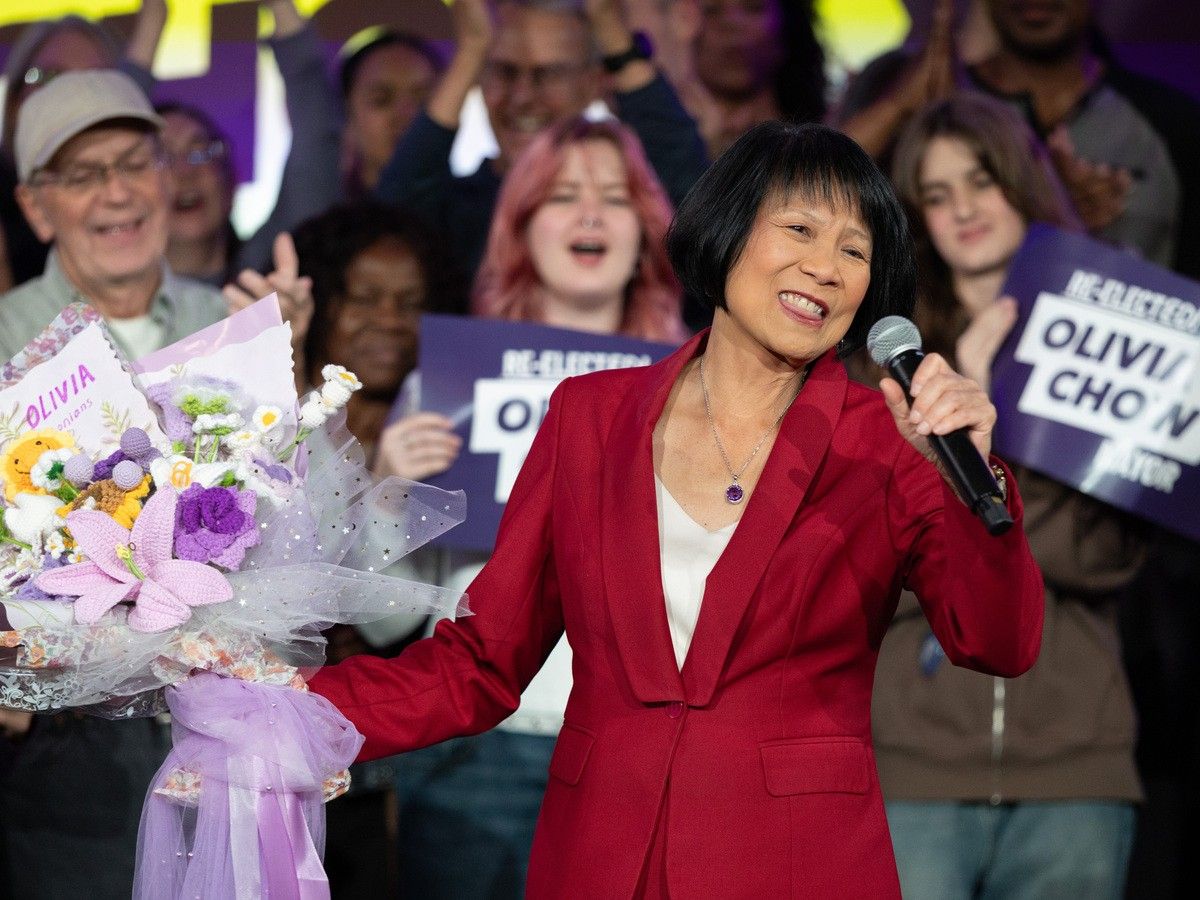
Olivia Chow won a decisive victory against Brad Bradford to hold on to her job as Toronto's mayor for another term, but a third-place finisher who got thousands of votes in the municipal race is prompting questions around whether there was confusion at the polls.
asserted
who → place → polls
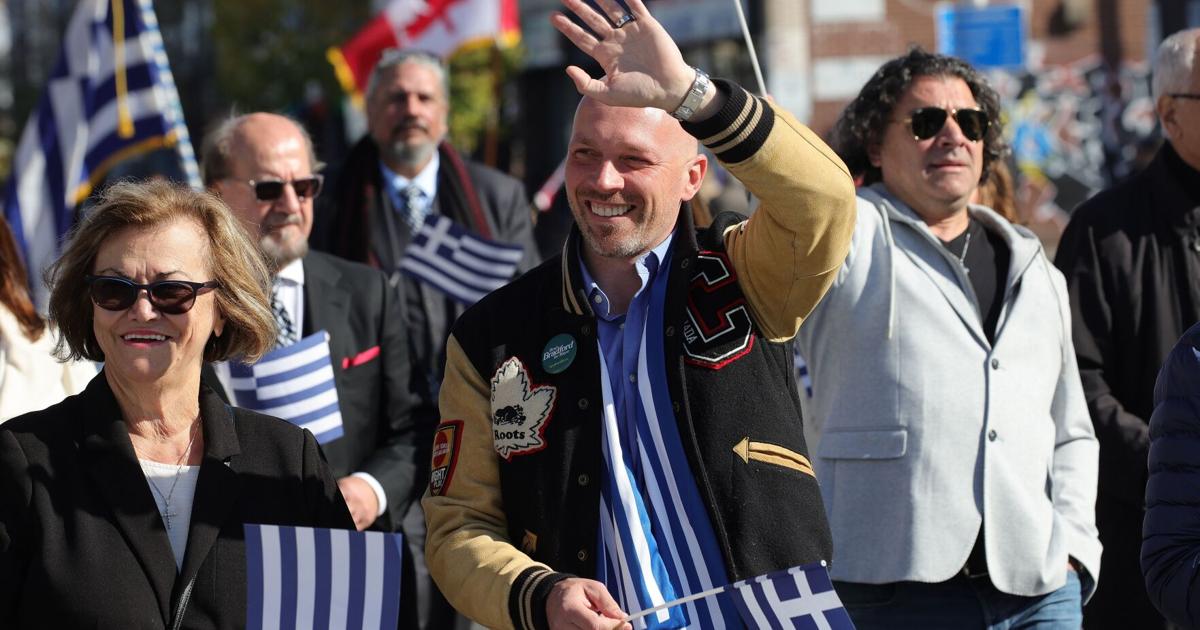
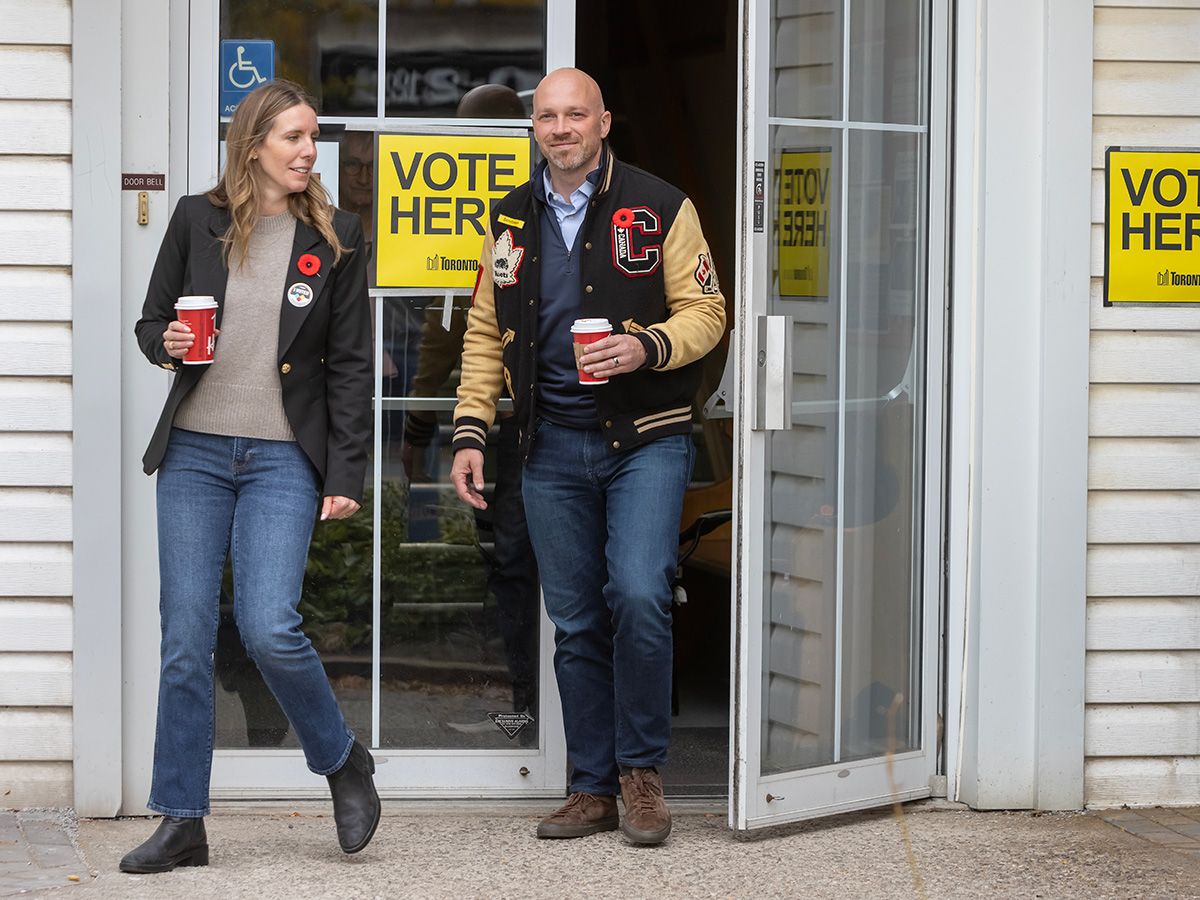
Braeden Chow, no affiliation to Olivia, placed a distant third in the election race — but he did rack up just over 8,000 votes, according to unofficial election results recorded by the City of Toronto.
uncertain
he → place → Toronto
The gap between the votes Braeden Chow got, in comparison to similar candidates who didn't have significant organization or a prominent record of public involvement, is too large to be random, said Denis Pilon, a politics professor at York University.
asserted
Pilon → get → University
"To see such a difference, to see this candidate get so many more votes than the other candidates that are like them, suggests that there is something distinctive going on," he explained.
uncertain
he → see → them
"In this case, it's having the same name as a frontrunner."
asserted
it → have → frontrunner
CBC News has reached out to Braeden Chow for comment.
asserted
News → reach → comment
City clerks run elections according to provincial rules
Provincial legislation lays out municipal election rules.
uncertain
legislation → run → rules
According to Ontario's Municipal Elections Act, candidate names appear on a ballot in alphabetical order based on last name, and in the case of an identical surname, by first name.
uncertain
names → accord → name
There is also a provision that says if the surnames for two or more candidates are identical, "the clerk shall differentiate the candidates on the ballots as the clerk considers to be appropriate in the circumstances."
asserted
clerk → be → circumstances
In an emailed statement Thursday, Ontario's Ministry of Municipal Affairs and Housing said city clerks are responsible for administering municipal elections and preparing ballots.
asserted
clerks → email → ballots
Jas Baweja, spokesperson for the city, said Toronto elections remain "committed to administering fair, open, secure, and accessible elections" in accordance with the law.
asserted
elections → say → law
Baweja also said the city conducts a review after each election "to evaluate all aspects of election administration."
asserted
city → say → administration
The municipal race had a numbered ballot, with Olivia Chow's name taking number nine, and Braeden Chow eight.
asserted
Chow → have → number
In its messaging, Olivia Chow's campaign team repeatedly told voters to vote number 9.
asserted
team → tell → number
When Chow cast her vote in the advance polls, she pointed out the existence of a second Chow on the ballot.
asserted
she → cast → ballot
"I looked at the Chow and then I was about to vote for someone else," she said.
asserted
she → look → someone
Pilon said that the number of votes Braeden Chow got could have made a substantial difference in a closer municipal race.
uncertain
Chow → say → race
He referenced an example from the Vancouver municipal election in 2005, where two candidates with the last name "Green" squared off against each other.
asserted
candidates → reference → other
One Green was a known city councillor, while the other, a candidate with no clear backing.
asserted
other → know → backing
"Nevertheless, the difference between victory and loss were votes gained by this other Green," Pilon said.
asserted
Pilon → gain → Green
The issue of candidates with the same name has also made its way into the U.S. midterms, with a race in Alaska featuring two candidates with similar names drawing national attention.
asserted
race → make → attention
Peter Tabuns, a former city councillor for Toronto-Danforth who is now an NDP MPP for the same area, experienced his own "race of two Chows" when he ran for re-election in 1997, the city's first post-amalgamation race.
asserted
he → experience → 1997
In that election, a candidate vying for a city council seat in the same ward registered with the last name "Tabin."
asserted
candidate → vie → name
Tabuns said that caused confusion on the ballot and cost him his city council seat.
asserted
that → say → seat
He said he was confident he would have been re-elected if there was a greater distinction between the two surnames, which were right below each other.
asserted
which → say → other
"The fact that Braeden Chow got 8,000 votes has nothing to do with the campaign that he ran and everything to do with people making a mistake," he said.
asserted
he → get → mistake
"I hope that the electoral authorities, provincially, municipally, federally, will think seriously about this because it's a very effective way to sabotage someone politically if you can confuse the ballot."
asserted
you → hope → ballot
Olivia Chow has won the mayoral election.
asserted
Chow → win → election
What has she promised Torontonians?
- Live
Mayor of Toronto election results
At the federal level, candidates have their party affiliation listed next to their name, which helps provide a distinction, according to Elections Canada.
uncertain
which → promise → Canada
City politics is generally non-partisan, and municipal elections are laid out by provincial legislation.
asserted
elections → lay → legislation
Pilon says the issue of same-name candidates should be "dealt with."
asserted
issue → say → candidates
Options could include run-off ballots or requirements for jurisdictions to vet candidates by requiring them to demonstrate that they have a serious intent to campaign, such as showing they've got a team supporting their run for council, he said.
uncertain
he → include → council
 The Aporia