At a Labour Party event, Deputy Prime Minister Louise Haigh announced plans to strengthen workers' rights to flexible working arrangements such as remote work and flexible hours. Employers would need to justify any rejection of such requests, aligning with union demands. Trade Union Congress general secretary Paul Nowak endorsed these changes but business leaders criticized the move for adding more regulatory burdens.
Written by the local model on 2026-09-16,
using this article's own text rather than the other coverage of the
same event (that is the story summary below).
Story summary
Labour, led by Louise Haigh, pledged to strengthen workers' rights to flexible working during the annual meeting of the Trade Union Congress (TUC) on Tuesday. Under the proposed changes, employees would have more power to request work-from-home options and flexible hours from their employers. Employers would need to justify any refusals through a face-to-face meeting with the employee. This move comes amid criticism that Labour is catering too closely to union demands. Paul Nowak, TUC general secretary, praised the government's recognition of flexible working’s importance. Currently, all employees have a legal right to request flexible working, but the new rules would require employers to seriously consider these requests and meet with workers who make them.
Written for “Flexible Working Rights Strengthened” on 2026-09-17,
grounded in this article and the 1 other(s) covering the same event.
Why this leaning score
The model judged this article politically coded and scored it -0.45, but none of the 3 quote(s) it offered could be found in the article text, so the score is not published.
Written under an earlier scoring contract, which gave a paragraph
rather than checkable quotes. Re-analysing this article replaces it.
Leaning score withheld for article 11558: no verified evidence · logged 2026-09-16
- See more Daily Mail on Google - save us as a Preferred Source
Labour stands accused of 'dancing to the union barons' tune' after giving workers even more rights over their employers.
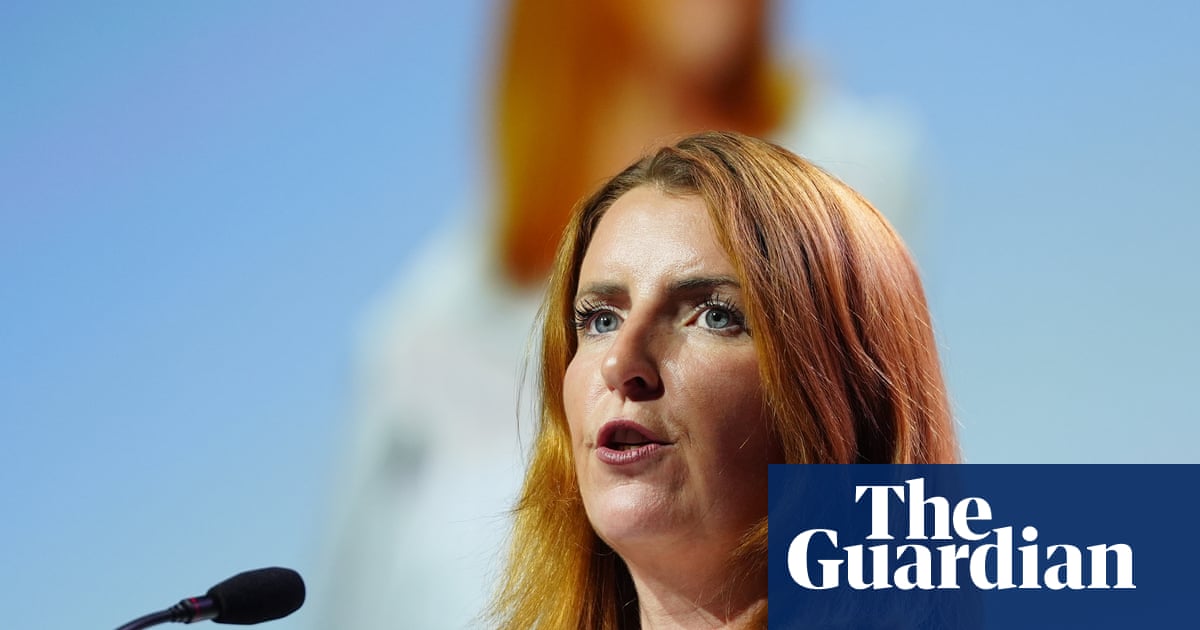
Deputy PM Louise Haigh revealed on Tuesday Labour would 'strengthen the right to flexible working' for employees as she stood in for Andy Burnham at the annual meeting of trade unions.
asserted
she → see → unions
Under the plans, workers would be given more powers to work from home and to demand flexible hours from their bosses.
asserted
workers → give → bosses
Employers would also be required to justify to workers where they had turned down flexible working requests, while line managers would be empowered to manage employees' schedules.
asserted
managers → require → schedules
Announcing the changes on Tuesday, Ms Haigh said: 'I know that businesses have to make things work too.
asserted
things → announce → Tuesday
Not every job can be done from home, and not every request can be agreed.
asserted
request → do → home
'But every request can and should be taken seriously.
asserted
request → take → ?
So today, I'm pleased to announce that we will strengthen the right to flexible working.'
asserted
we → announce → working
Convicted fraudster Louise Haigh revealed on Tuesday Labour would 'strengthen the right to flexible working' for employees as she stood in for Andy Burnham at the annual meeting of trade unions
Responding to Ms Haigh's speech, TUC general secretary Paul Nowak said the government is 'right to recognise the importance of flexible working'
Angela Rayner, a key architect of Labour's Employment Rights Act, appeared at the Trade Union Congress on Monday.
asserted
Rayner → convict → Monday
Businesses are reeling under the effects of the legislation, which bestows fresh powers on trade unions to strike
She added that if an employer wants to turn down a request, they will now have to 'sit down with their employee, properly consider it, and explain why'.
asserted
they → reel → it
Ms Haigh stepped in to deliver the speech to the Trade Union Congress on behalf of the Prime Minister, who cancelled all engagements after his father passed away on Monday.
asserted
father → step → Monday
Responding to Ms Haigh's speech, TUC general secretary Paul Nowak said the government is 'right to recognise the importance of flexible working'.
asserted
government → respond → working
He added the move 'makes it harder for employers to turn down requests while giving workers a stronger voice in the process'.
But it comes as businesses are reeling under the effects of Labour's Employment Rights Act, which bestows fresh powers on trade unions to strike.
asserted
which → add → unions
In further pain for British enterprise, ministers will now strengthen the right to 'fair consideration' in the legislation – meaning employers must answer before employees for the decisions they have made.
asserted
they → strengthen → decisions
Shadow chancellor Andrew Griffith accused Labour on Tuesday of creating a 'shirkers' charter' for the public sector.
asserted
Griffith → accuse → sector
He said: 'Labour do not understand business.
asserted
Labour → say → business
They have already wrapped businesses up in red tape with their Unemployment Act, and now Louise Haigh and Angela Rayner are back, they want to crank up the pressure further.
asserted
they → wrap → pressure
In the private sector this is more job sapping red tape but in the public sector it will be a complete shirkers' charter.
asserted
it → sap → sector
'Labour should stop dancing to the union barons' tune and focus on giving businesses the best possible environment to grow and create jobs.'
And Reform deputy leader Richard Tice branded Labour's move 'yet more meddling from an economically illiterate government determined to make it as difficult as possible to run a business'.
asserted
it → stop → business
He said: 'If Labour really wants stronger economic growth, it should stop treating employers as the enemy and start trusting them to run their businesses.'
asserted
it → say → businesses
In a wide-ranging speech, Ms Haigh also urged Labour to 'heed the warnings' of AI developers claiming the technology could cause the extinction of the human race.
uncertain
technology → range → race
She said: 'We must heed the warnings of those who are at the forefront of developing this technology, there are clearly huge risks to our national security and society if the right guardrails are not put in place.
asserted
guardrails → say → place
This is an issue that goes beyond our borders, and we are ready to work with our international partners to make sure we get this right.'
asserted
this → go → partners
This comes as a wave of AI researchers have broken cover in recent weeks to expose the dangers posed by the technology.
asserted
wave → come → technology
Silicon Valley's OpenAI on Monday became the first company to call on Britain to introduce strict rules on the technology.
asserted
OpenAI → become → technology
Labour committed in its manifesto to introduce binding regulation on the handful of companies developing the most powerful AI models, but ditched the plans in December.
asserted
Labour → commit → December
 The Aporia