Netanyahu alleges fraud as Arab parties reach record gains in Israeli election
By
asserted
parties → allege → election
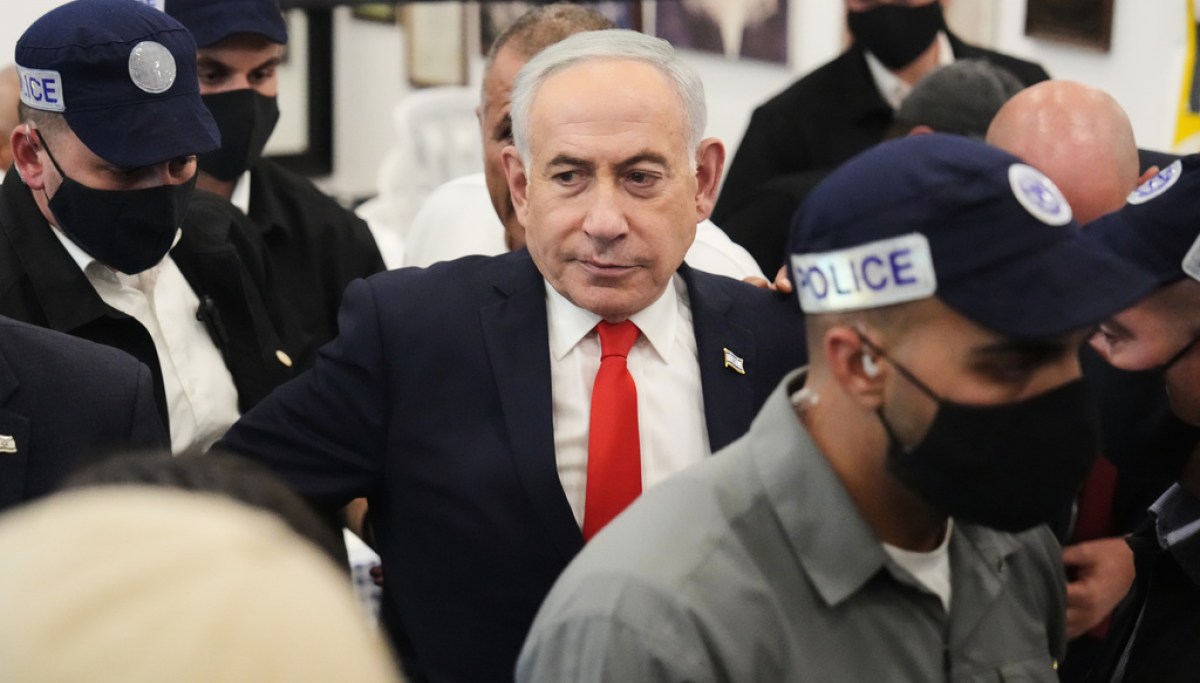
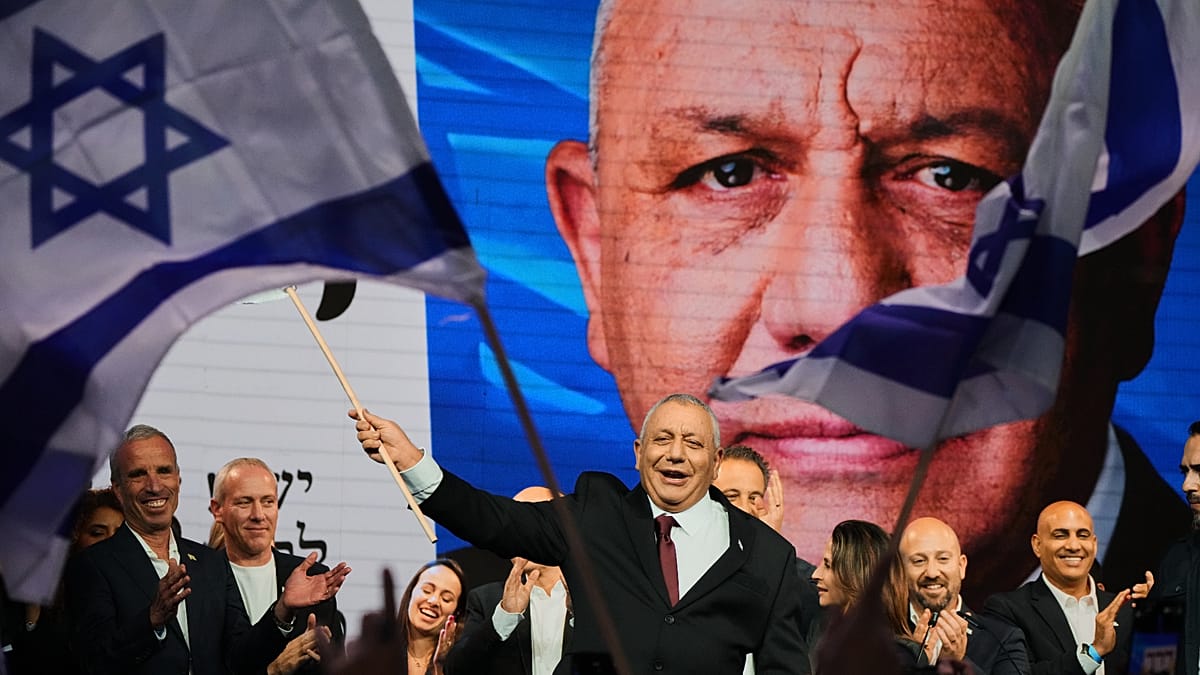
Israel’s two Arab parties are in a position to have a say in who the country’s next prime minister and government will be — but not if Prime Minister Benjamin Netanyahu has anything to do with it, after he alleged serious criminal activities took place during voting in the Arab areas of the nation.
asserted
activities → have → nation
Both Prime Minister Benjamin Netanyahu’s Likud-led right-wing bloc and the opposition leader Gadi Eisenkot’s centrist bloc fell short of the 61 seats needed for a parliamentary majority.
asserted
leader → lead → majority
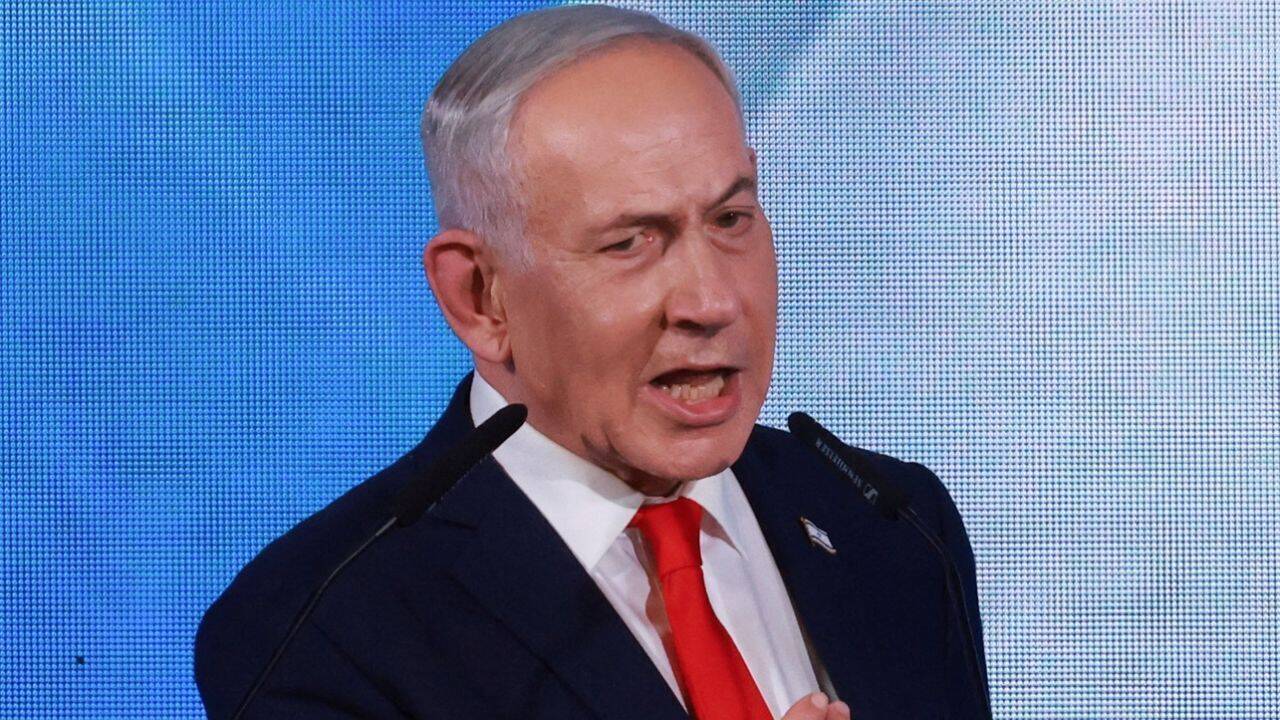
On Wednesday, Prime Minister Netanyahu wrote on X that Israel’s election had been “stolen by Arab parties that support terrorism and the elimination of the Jewish state,” alleging serious criminal offenses, including bribery, threats, violence, forgery and the use of prohibited software to mobilize voters.
“The Likud party is transferring to the police, the Shin Bet, and the Central Elections Committee hundreds of testimonies and pieces of evidence regarding election theft in many Arab polling stations,” he wrote.
asserted
he → write → stations
He cited allegations of thousands of envelopes containing cash and Ra’am ballot slips, threats and violence against polling station staff, multiple votes cast behind the voting curtain, voting under multiple identities, discrepancies between the number of ballot envelopes and the number of voters, the use of prohibited voter-mobilization software and other offenses.
asserted
He → cite → software
“We demand from the police and the Shin Bet a thorough investigation into the election theft by the Arab parties and the full prosecution of the criminals.
asserted
We → demand → criminals
We demand from the Central Elections Committee an immediate response to investigate these criminal offenses that have severely damaged the integrity of the elections in Israel and the election results,” he added.
asserted
he → demand → Israel
In a letter addressed to Yesh Atid lawmaker Vladimir Beliak, Acting Central Elections Committee Director-General Dean Livne wrote that the elections “were conducted lawfully” and that, “to the best of my knowledge, there is no basis for allegations of systematic violations of election integrity,” the Times of Israel reported.
asserted
Times → address → Israel
He also acknowledged that the request for an investigation concerned classified information whose veracity had not yet been determined.
asserted
veracity → acknowledge → information
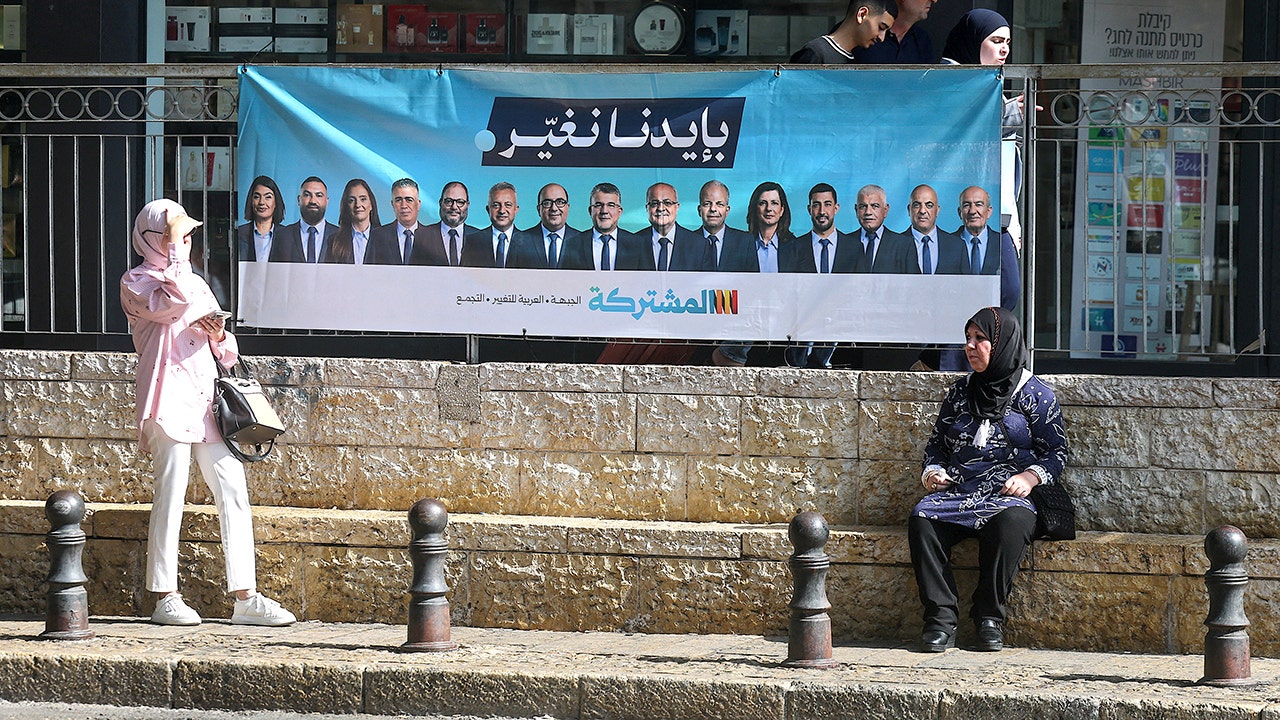
The political make-up of the Arab parties includes the Joint List, which brings together three parties: Hadash, a predominantly Arab-Jewish left-wing party rooted in Israel’s communist movement, and the Arab nationalist parties Ta’al and Balad.
asserted
which → include → movement
With over 90% of ballots counted, the alliance was projected to win 12 seats.
asserted
alliance → count → seats
The other Arab party, the United Arab List (Ra’am), led by Mansour Abbas and affiliated with the Southern Branch of the Islamic Movement in Israel, was projected to win seven seats.
asserted
party → lead → seats
Here’s the latest on the 2026 Israel Legislative Elections — the first since the Oct. 7 attacks
Arab citizens make up approximately 21% of Israel’s population.
asserted
make → ’ → population
Turnout in this election reached a near record high between 75% to 80%.
asserted
Turnout → reach → %
“They are a political force to be reckoned with,” Dahlia Scheindlin, a former policy fellow at the Mitvim Institute and a senior analyst at Haaretz, told Fox News Digital.
asserted
Scheindlin → reckon → Digital
Scheindlin said that Netanyahu framed his campaign around the claim that the opposition is prepared to form a government dependent on Arab parties’ support, which he argues would lead to the establishment of a Palestinian state that would become a terror state and ultimately bring about Israel’s destruction.
uncertain
that → say → destruction
“This is the most consistent message, and he never stopped saying it, including on election day,” she said.
asserted
she → stop → day
Scheindlin said that the issue had become politically sensitive, prompting leading Zionist opposition parties to pledge not to cooperate with the Arab parties.
asserted
issue → say → parties
“They have sworn they would not build a coalition that depends on Arab votes, either from within the coalition or from outside it.
asserted
that → swear → it
If they receive any help, they will have to break that promise,” she added.
asserted
she → receive → promise
It is not inconceivable, though highly unlikely, that Netanyahu could reach out to one of the Arab parties to explore the possibility of cooperation, Scheindlin said.
uncertain
Scheindlin → reach → cooperation
Dr. Arik Rudnitzky, a researcher in the Israel Democracy Institute’s Arab Society in Israel Program, said that Arab parties had historically remained in the opposition and had not joined governing coalitions.
asserted
parties → say → coalitions
During the governments of Yitzhak Rabin and, later, Shimon Peres in the 1990s, Arab parties provided a parliamentary safety net from outside the coalition.
asserted
parties → provide → coalition
Start your day with all you need to know
Morning Report delivers the latest news, videos, photos and more.
asserted
Report → start → news
This enabled the government to remain in office and complete its term even after it effectively became a minority government amid opposition to the Oslo Accords, as the Haredi Shas party left the government.
“Historically, Arab parties were always in the opposition for many reasons.
asserted
parties → enable → reasons
It was quite uncommon to believe Arab parties could [support] the government.
uncertain
parties → believe → government
It’s a novelty of recent years, plus the fact that their political strength in terms of the number of seats was not as significant as it is today,” Rudnitzky said.
asserted
Rudnitzky → ’ → seats
Demographic changes alone do not explain the Arab parties’ growing political strength, Rudnitzky said; shifting voting patterns have also played a role.
asserted
patterns → explain → role
“In the past, Arab voters supported both Arab and Jewish parties.
asserted
voters → support → parties
In the 1980s and 1990s, approximately half voted for Jewish parties,” he continued.
asserted
he → vote → parties
Rudnitzky said historical developments, the impact of the Oslo Accords and the entry of new Arab representatives into the Knesset contributed to a gradual shift away from Jewish parties, with more Arab voters turning to Arab parties.
asserted
voters → say → parties
“Today, we can say that between 85% and 90% of Arab voters support Arab parties.
asserted
85 → say → parties
This is the main reason for their increased political strength,” he added.
asserted
he → increase → strength
Any support Arab parties might provide to a prospective coalition would come in exchange for political concessions, Rudnitzky said.
uncertain
Rudnitzky → provide → concessions
Their demands would likely include a government decision and a plan to combat crime in Arab communities, as well as a new socioeconomic development plan for the Arab sector involving budget allocations.
asserted
demands → include → allocations
Ultimately, he said, such arrangements would involve allocating public goods and resources in exchange for political support.
asserted
arrangements → say → support
Every collaboration, either within a coalition or from the outside, has its political price.”
asserted
collaboration → have → price
Scheindlin noted that while the Joint List would not be invited to join a governing coalition — and its members would not want to do so anyway — Mansour Abbas and his United Arab List have pursued a different, more controversial approach.
asserted
Abbas → note → approach
The party has accepted Israel as a Jewish state and seeks to improve the lives of Arab citizens within that framework, she said.
asserted
she → accept → framework
“They are expecting equality as citizens.
asserted
They → expect → citizens
…and 12 more, not listed.
 The Aporia