The Aporia

Shendruk, A., Tampus, C., Tan, C., Jie, L. P., Hui, M., & GV, X. (2026, October 29). How two high-speed trains collided in central Spain. The Straits Times. https://www.straitstimes.com/world/how-two-high-speed-trains-collided-in-central-spain
Shendruk, Amanda, et al. “How two high-speed trains collided in central Spain.” The Straits Times, 29 Oct. 2026, https://www.straitstimes.com/world/how-two-high-speed-trains-collided-in-central-spain.
Shendruk, Amanda, et al. “How two high-speed trains collided in central Spain.” The Straits Times, October 29, 2026. https://www.straitstimes.com/world/how-two-high-speed-trains-collided-in-central-spain.
Dated from the outlet's own feed. Check the original for its byline.
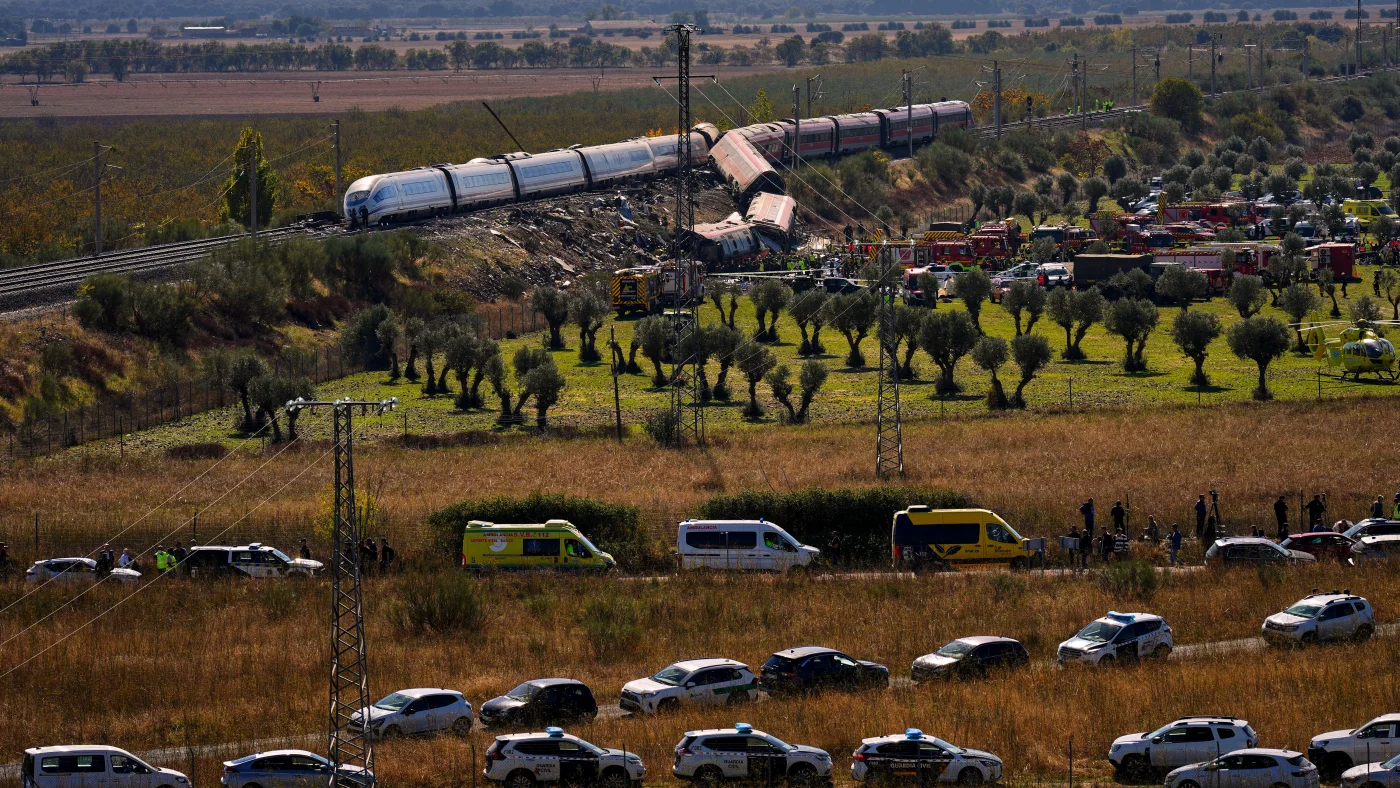
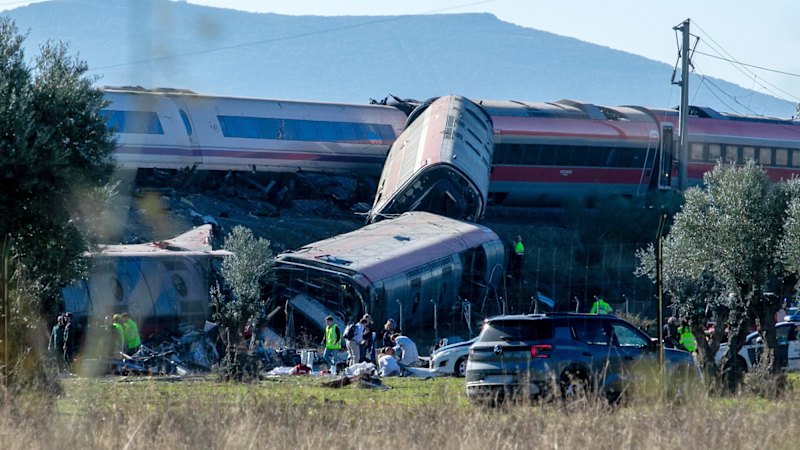
At least 68 people died and over 50 were injured when two high-speed trains collided near Toledo, Spain, on October 28, 2026. The accident occurred around 9 AM local time as a Renfe train struck the rear of an Iryo train that had stopped at a red signal, causing two cars to derail and fall off the elevated track. This is Spain's deadliest rail crash since 2013 when 80 people died in another high-speed train accident.
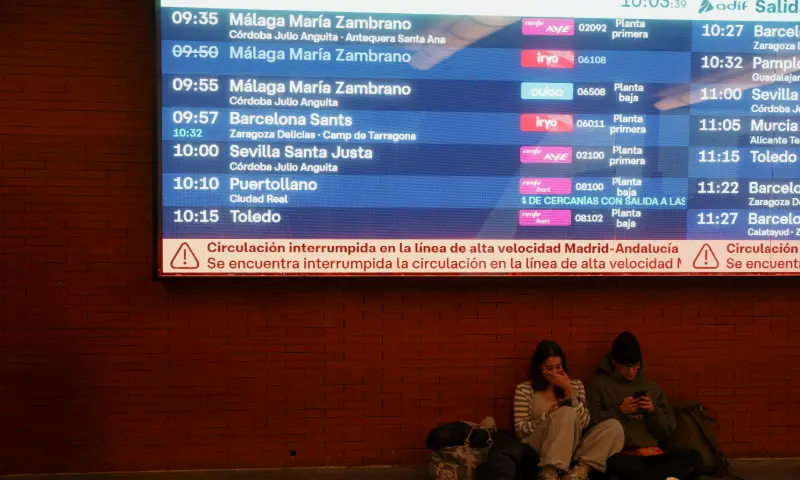
The collision happened on the same line where 46 people were killed in January 2026, raising concerns about safety standards and infrastructure investment under Prime Minister Pedro Sanchez’s government. Rail services between Madrid and Andalusia have been suspended following the incident.
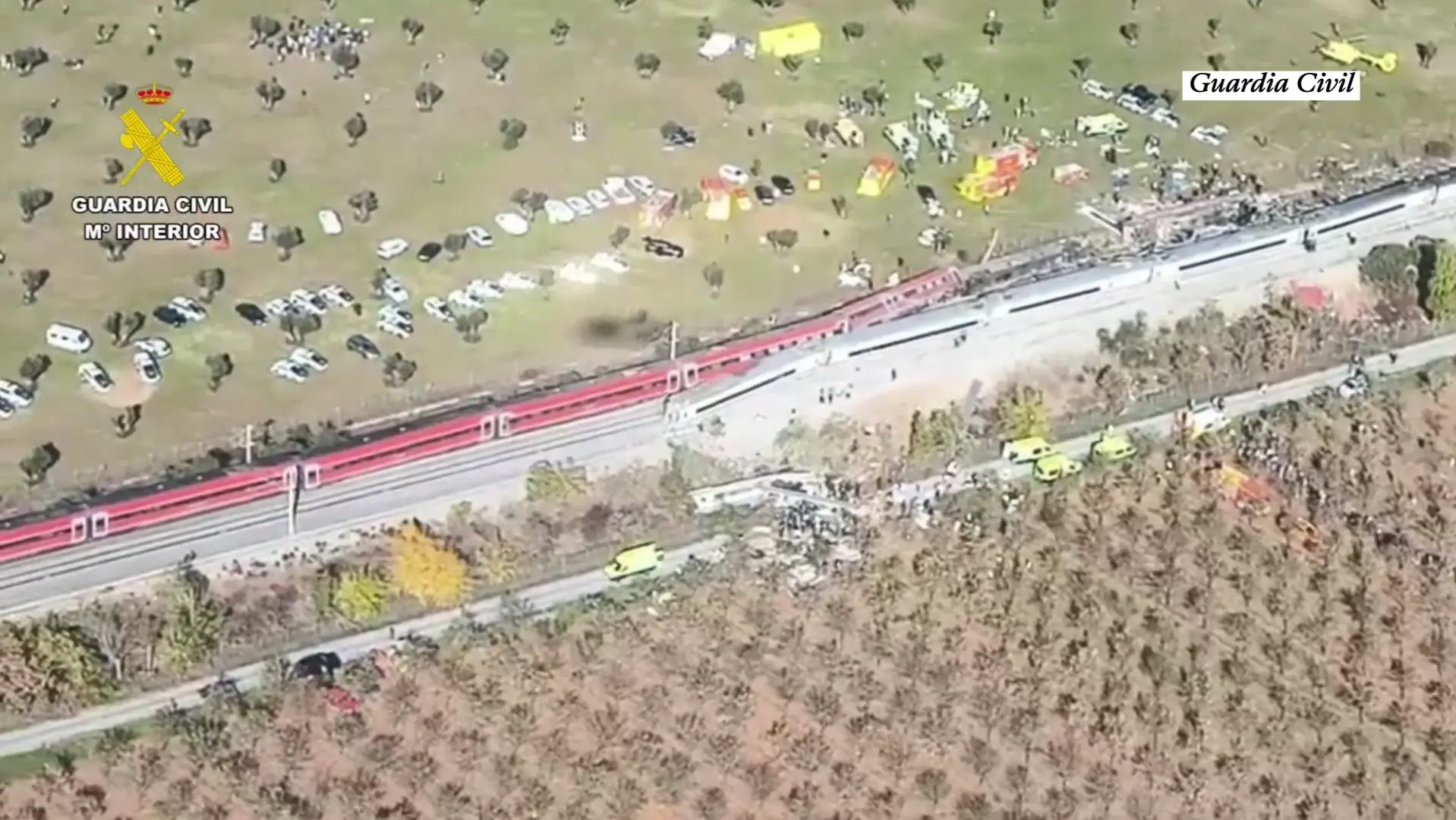
Aerial footage released by the Guardia Civil showed significant damage to one of the trains with at least one carriage hanging off an elevated section of track. The cause is suspected to be a computer malfunction that led to incorrect instructions from the central command center, but this has not yet been confirmed.
Prime Minister Sanchez pledged to investigate and address any safety failures to rebuild public confidence in Spain's high-speed rail system. With national elections approaching, the crash adds another complication to his reelection campaign amidst growing public skepticism about railway infrastructure maintenance.