ECB President Lagarde resigns at time of mounting challenges for Europe
FRANKFURT, Oct 29 -
asserted
Lagarde → resign → Europe
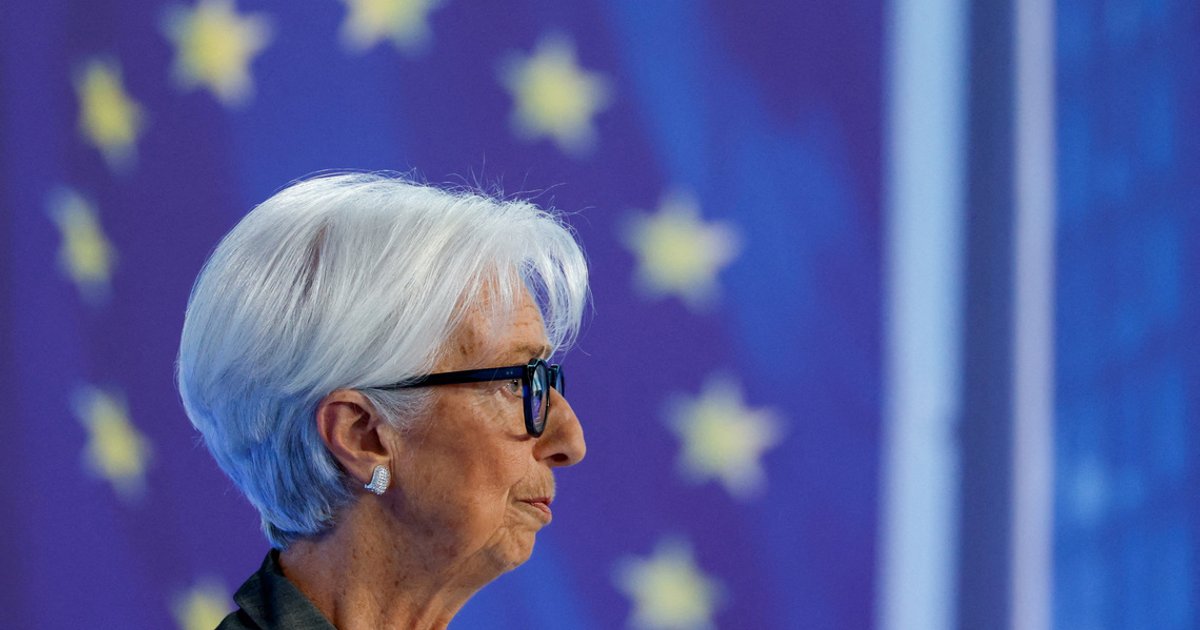
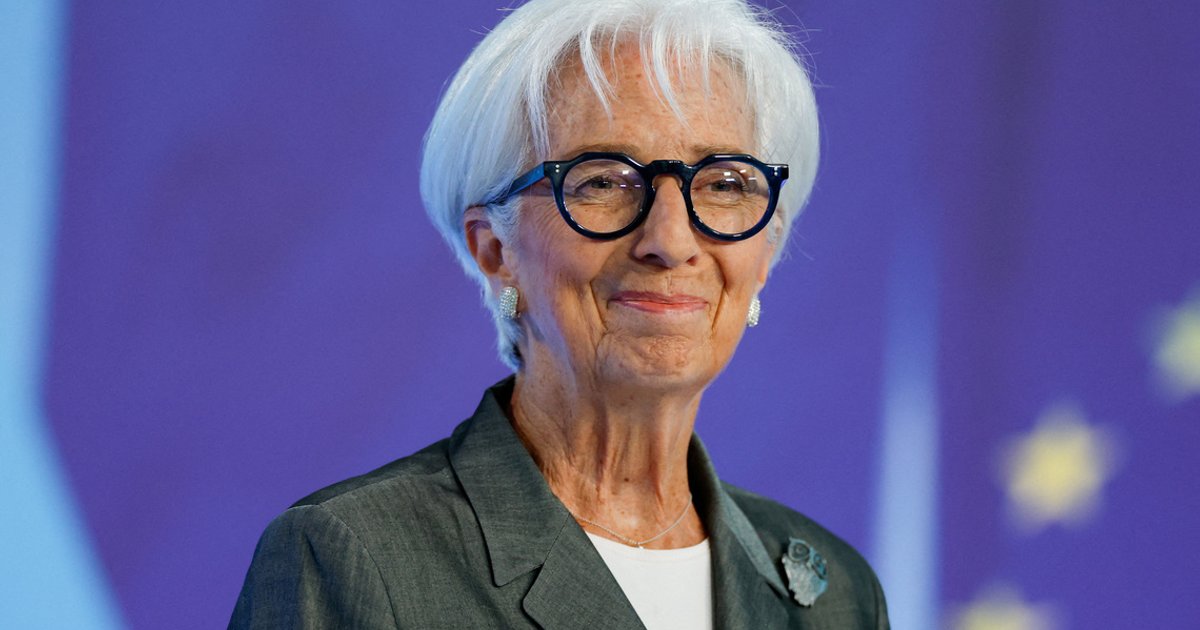
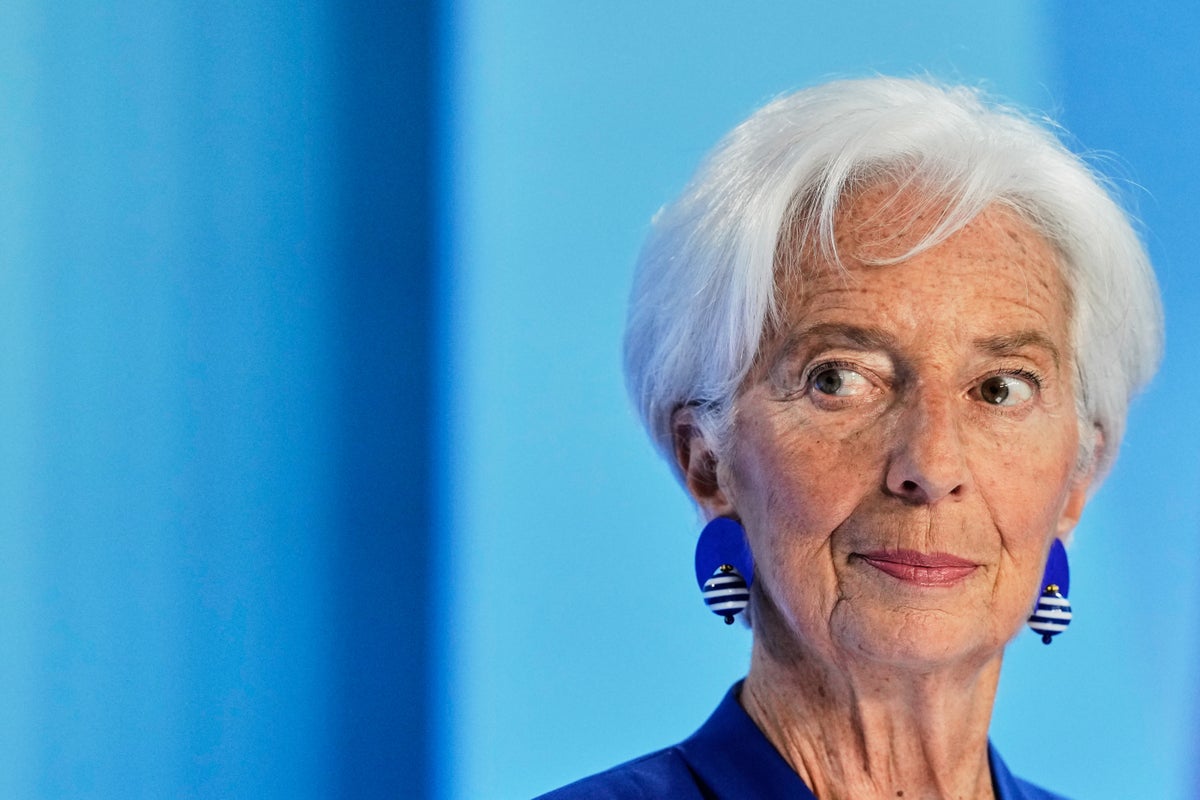
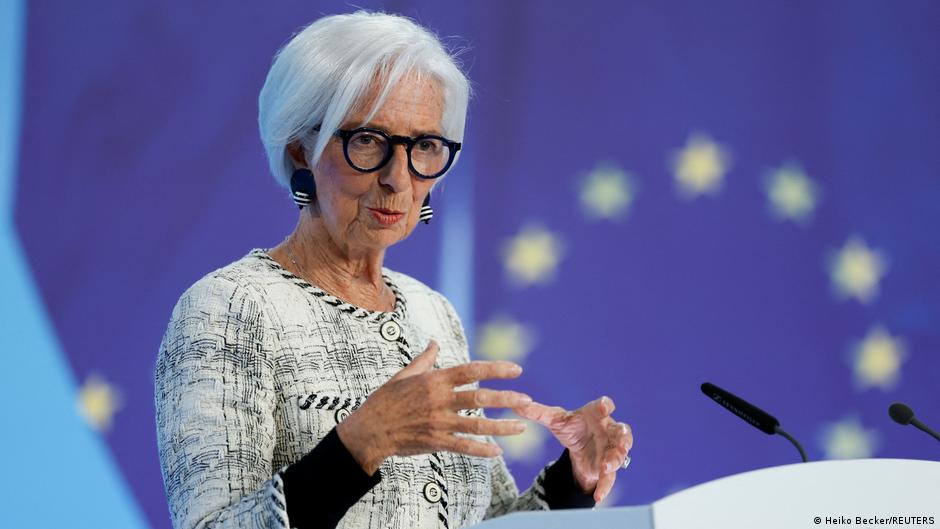
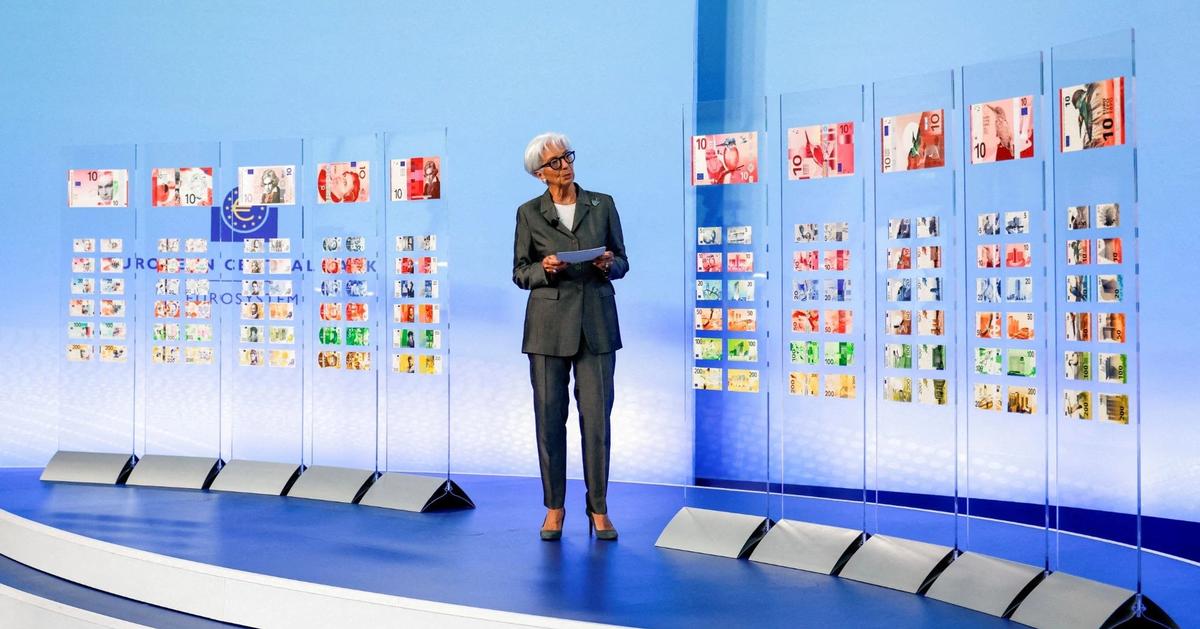
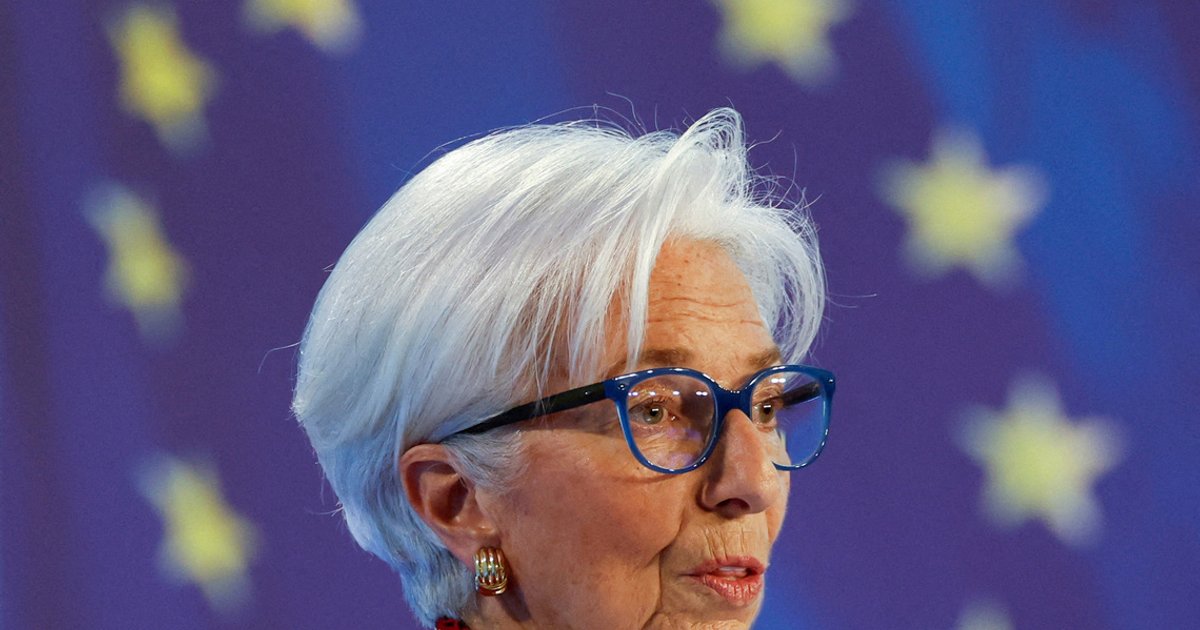
European Central Bank President Christine Lagarde announced her resignation on Thursday, ending months of speculation about her future just as Europe enters a period of rising economic volatility and divisive electoral politics.
asserted
Europe → announce → volatility
Lagarde will step down on February 7, giving current European Union leaders time to pick a successor well before a French presidential election that polls show far-right candidate Marine Le Pen is favoured to win.
asserted
Pen → step → election
The move comes as the ECB battles inflation risks from an Iran-driven oil shock while a sharp rise in bond yields, especially in France, threatens to dampen growth.
asserted
rise → come → growth
"I leave this institution with a sense of good work done and an ECB that is fit for the future," Lagarde said in a short video shared on social media.
asserted
Lagarde → leave → media
A source with direct knowledge of the matter said Lagarde had resigned so she could weigh in on political matters in her native France and globally.
uncertain
she → say → France
As ECB president, she was expected to remain neutral to safeguard the institution's independence.
asserted
she → expect → independence
European Council President Antonio Costa said in a statement the process to find a successor for Lagarde would begin immediately.
asserted
process → say → Lagarde
The former central bank governors of the Netherlands and Spain, Klaas Knot and Pablo Hernandez de Cos, are widely seen as frontrunners.
asserted
governors → see → frontrunners
"The rumoured successors are both very competent, well established central bankers, so for markets, it won’t matter too much," Piet Haines Christiansen, an economist at Danske Bank, said.
asserted
Christiansen → rumour → Bank
Financial markets did not move much after the announcement, with some analysts noting the ECB had by now built a reputation that outlived any of its leaders.
asserted
that → move → leaders
"The ECB is now quite well established, the market is familiar with the way it operates," Goldman Sachs' head of Fixed Income Macro Investing Simon Dangoor said.
asserted
head → establish → Investing
"Our view is that institutional behaviour is likely to outlast Lagarde, and be quite similar, whoever takes over."
asserted
whoever → outlast → Lagarde
Lagarde's term was scheduled to run until the end of October 2027 but speculation about an early departure had been mounting for months, with the World Economic Forum seen as a likely destination.
asserted
Forum → schedule → destination
RATE HIKES AND BOND TURMOIL
The ECB is in the middle of a rate-hiking cycle aimed at preventing an oil-price shock linked to the Iran war from feeding into other prices and wages.
asserted
ECB → hike → prices
But it must also contend with a surge in government bond yields — especially in debt-laden France — that has pushed up borrowing costs for households and businesses and which Lagarde has said will curb growth and inflation.
asserted
Lagarde → contend → growth
Caught between persistent inflation fuelled by a renewed surge in energy costs and deteriorating financing conditions, the ECB is widely expected to keep its deposit rate at 2.5% on Thursday while signalling that another increase, potentially as soon as December, remains likely.
"There is likely a low bar to another hike in December, given the likelihood of another upward revision of the ECB's inflation forecast due to higher energy prices," Oliver Rakau at Oxford Economics said.
asserted
Rakau → catch → Economics
The ECB is due to announce its interest rate decision at 1315 GMT on Thursday, followed by Lagarde's regular press conference at 1345 GMT.
asserted
ECB → announce → GMT
Money markets are currently pricing another three rate increases from the ECB by the end of next year, which would take the deposit rate to 3.25%, a level that is widely seen as restricting economic growth.
asserted
that → price → growth
A global rise in yields, fuelled by stronger growth expectations, higher debt issuance and massive investment linked to artificial intelligence, is pushing up borrowing costs for governments, households and businesses alike.
asserted
rise → fuel → governments
In France, investors have become increasingly uneasy about the country's growing debt burden and uncertain fiscal outlook following this year's elections.
asserted
investors → become → elections
Concerns have been amplified by suggestions from parts of the political left that debt held by the ECB could be written off.
uncertain
debt → amplify → ECB
France is now paying some of the highest yields in a quarter-century to raise money on bond markets, while the premium investors demand to hold French debt over benchmark German bonds is larger than for any other euro zone country.
asserted
investors → pay → country
That has fuelled speculation that the ECB might be forced to respond, if only verbally for now.
uncertain
ECB → fuel → speculation
"They've typically come up with a new tool that's customised for that specific set of circumstances," said Dangoor at Goldman Sachs.
asserted
Dangoor → come → Sachs
The ECB's first line of defence would probably be flexible reinvestment of proceeds from bonds acquired during its vast asset-purchase programmes of the previous decade.
asserted
line → acquire → decade
Beyond that, it could activate its never-used Transmission Protection Instrument, a scheme designed to counter what policymakers deem unjustified market pressure.
uncertain
policymakers → activate → Instrument
 The Aporia