Last week, the Israeli defence giant Elbit Systems announced that it had completed the purchase of International Submarine Engineering, an autonomous underwater vehicle (AUV) company based in Port Coquitlam, B.C.
asserted
it → announce → Coquitlam
The sale of the underwater-drone maker was greeted with dismay by those familiar with ISE’s storied 50-year history.
asserted
sale → greet → history
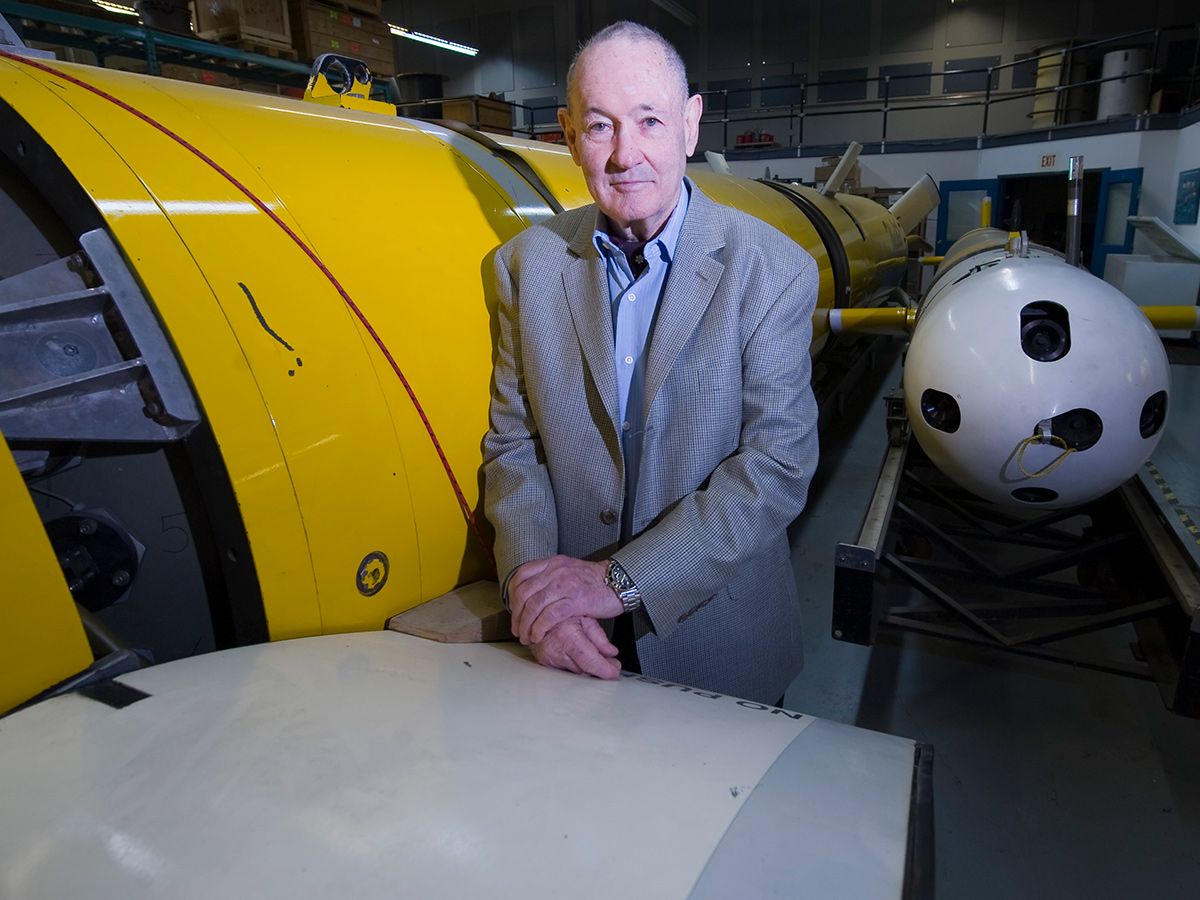
The company was founded by Jim McFarlane, a former lieutenant commander in the Royal Canadian Navy who had been involved in the design and construction of the Oberon-class of diesel electric submarines.
asserted
who → found → submarines
In 1982, the Canadian Hydrographic Service identified the need to perform hydrographic surveys in Canada’s Arctic, and ISE was awarded the contract to design and build an underwater vehicle.
asserted
ISE → identify → vehicle
The result was the Autonomous Remote-Controlled Submersible (ARCS), Canada’s first AUV, which proved to be a world leader in technology that allowed the vessel to navigate a pre-programmed course, while avoiding obstacles.
asserted
vessel → prove → obstacles
The ARCS was followed by the DOLPHIN and then the Theseus AUV, which was designed to monitor ice-covered waters for Soviet submarines and to lay fibre-optic communications cables in the sea north of Ellesmere Island.
asserted
which → follow → Island
In 2008, ISE was contracted by the Canadian government to develop the Explorer class of AUV, to help map northern waters.
asserted
ISE → contract → waters
Over the years, various federal agencies have invested millions of taxpayers’ dollars into ISE, said Bruce Butler, an engineer who worked at the company for 14 years and wrote a book about the development of Theseus.
asserted
who → invest → Theseus
“The return on this investment has been many-fold, including the creation of several spin-off companies,” he said.
asserted
he → include → companies
(Former ISE engineer Eric Jackson founded Cellula Robotics, based in British Columbia and now a world leader in large AUVs.)
asserted
Jackson → found → AUVs
Butler said he is disappointed that the Canadian government has allowed the sale of ISE to a foreign military technology company.
asserted
government → say → company
“The sale is an insult to the memory of Jim McFarlane (who died in 2022) and ISE’s former and current employees, who pushed technological boundaries to make Canada a world leader in subsea engineering,” he said.
asserted
he → die → engineering
The company’s glory days may be behind it, and it has been operating with much reduced staff numbers.
But
uncertain
it → operate → numbers
the disquiet at the sale is not just based on nostalgia.
asserted
disquiet → base → nostalgia
Yet the sale apparently went through without a national security review.
asserted
sale → go → review
The Department of Innovation, Science and Economic Development issued a statement that said it is aware of the transaction but could not comment on it specifically because of confidentiality concerns.
uncertain
it → issue → concerns
Elbit’s press release said the acquisition has been completed and did not refer to any pending regulatory review.
Yet there was interest in those assets from Canadian companies, including Dominion Dynamics, which is building the new “autonomy stack” of sensors to monitor the Arctic.
asserted
which → say → Arctic
While much of ISE’s intellectual property is owned by the Crown — ARCS and Theseus, for example — its real value may be the data it has amassed on Canada’s sub-sea.
uncertain
it → own → sea
He said no defence-related companies should be sold to foreign entities without a national security review.
asserted
companies → say → review
In this case, there were domestic players who were interested,” he said.
asserted
he → be → case
It is understood that the Elbit deal had closed before others were able to view ISE’s documentation.
asserted
others → understand → documentation
The company has proven itself to be a responsible owner of Geospectrum — a Dartmouth, N.S., company that supplies military sonar — which it bought in 2016.
asserted
it → prove → 2016
O’Toole has been making the case publicly that the future in defence is autonomous and that Canada should be adopting a hybrid approach to big procurement purchases like submarines and fighter jets.
asserted
Canada → make → submarines
He argues that instead of buying 12 new navy submarines, the first of which will be delivered in the mid-2030s, Canada should follow Australia and instead buy eight subs and supplement them with dozens of relatively inexpensive AUVs.
asserted
Canada → argue → AUVs
Australia’s Ghost Shark has moved from prototype to operational development in a little over two years — and it uses technology supplied by Kraken Robotics, based in St. John’s, N.L.
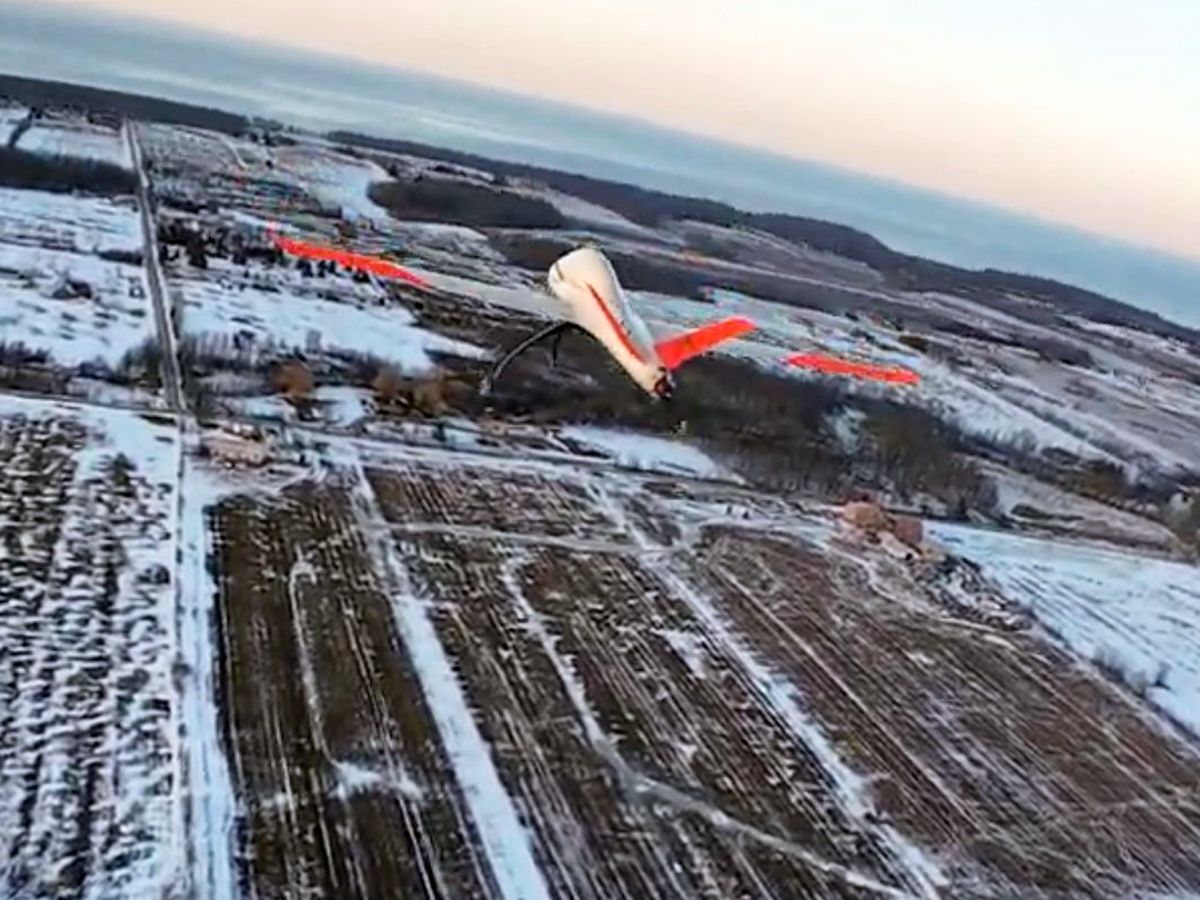
O’Toole advocates the same approach for fighter jets: purchase 55 F-35s (rather than the proposed 88) and use some of the billions of dollars saved to develop a Canadian unmanned aerial vehicle.
asserted
O’Toole → move → vehicle
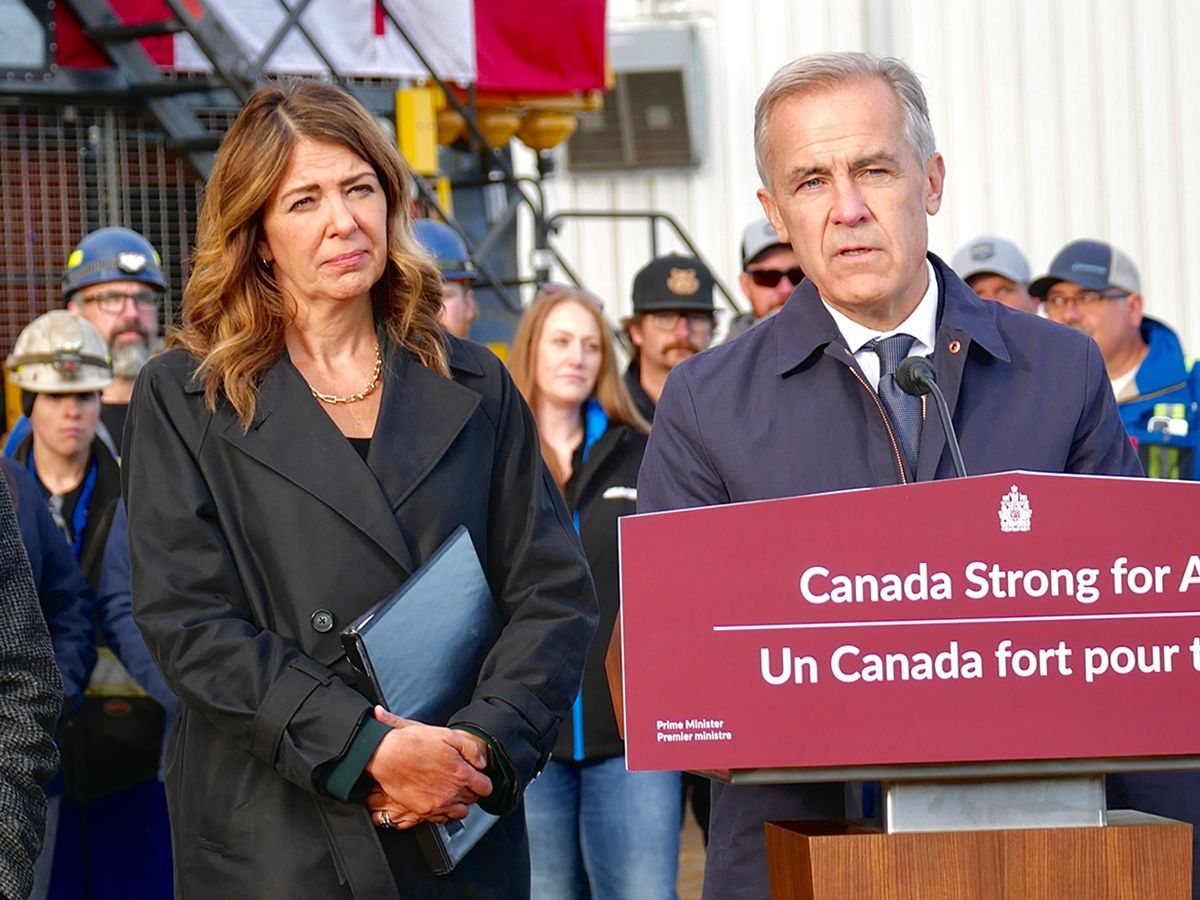
While Ottawa has not given indications that it favours such an approach, Prime Minister Mark Carney was clear during the recent visit of Ukrainian President Volodymyr Zelenskyy that he backs expanding Canada’s sovereign drone capability.
asserted
he → give → capability
At the time, he said Canada currently has 2,000 military drones, but in the coming years it will need “millions.”
asserted
it → say → millions
One industry source said he has no idea how the ISE deal was allowed.
asserted
deal → say → idea
“The sale of a nationally critical asset goes against the prime minister’s intent,” he said.
asserted
he → go → intent
 The Aporia