Why none of the EU's existing partnerships are the right fit for Canada
asserted
none → exist → Canada
Formal discussions about Canada's 'closer association' to start this week
The European Union has a number of partnership deals with non-member countries, but Canada won't fit into any of those existing frameworks.
A joint statement expected to be released at the 21st Canada-EU summit in Montreal on Friday will promise closer ties — though no one knows exactly what that means yet.
asserted
that → start → what
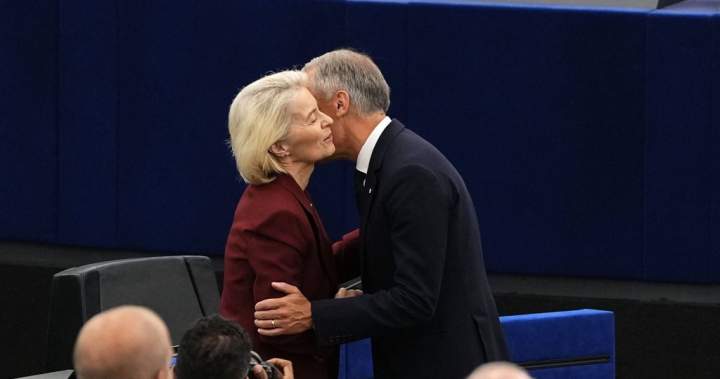
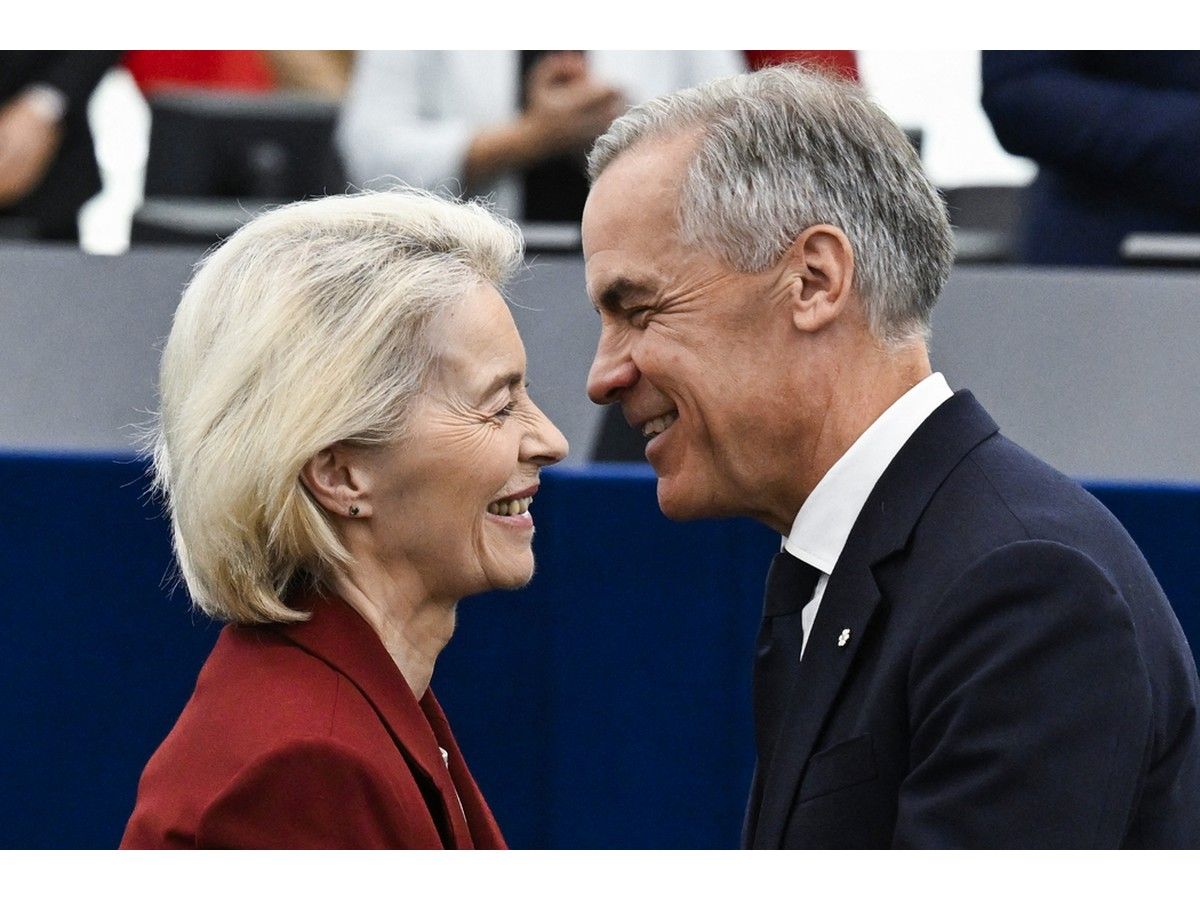
European Commission President Ursula von der Leyen announced last month that the EU would begin the process of making Canada its first "associate member."
asserted
Canada → announce → process
But on Wednesday, sources told CBC News that term has been removed from the draft statement in favour of calls for an "ever-closer association," adding that some EU countries opposed the "associate member" tag.
asserted
countries → tell → tag
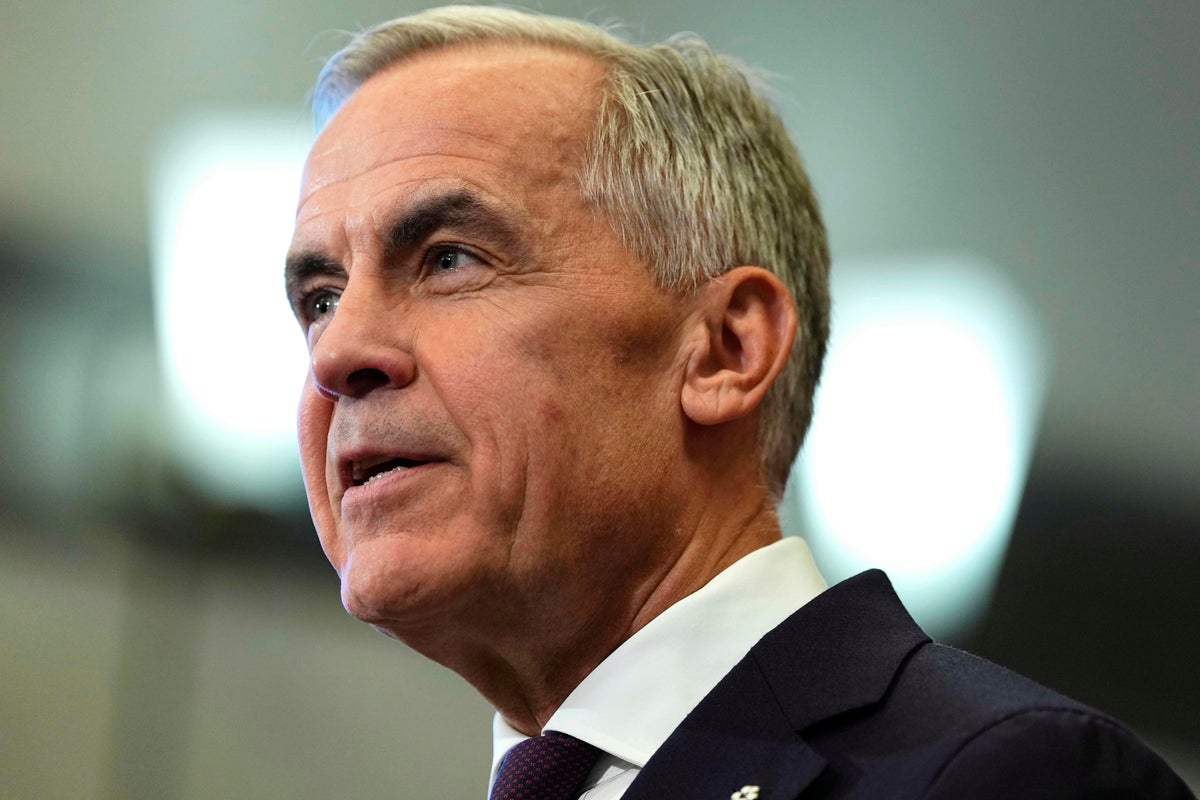
Prime Minister Mark Carney had preferred to call it by different terms from the start, like "an alliance for the future."
asserted
Carney → prefer → future
The sources stressed the statement was still a draft and could change before week's end.
uncertain
statement → stress → end
A senior EU official said Tuesday that the bloc's 27 countries were united in wanting the "closest possible association" with Canada.
asserted
countries → say → Canada
Experts say Canada wants greater access to European markets without giving up its independence or subjecting itself to EU regulations, which puts it in a unique position to negotiate a new type of deal.
asserted
which → say → deal
What do other partnerships look like?
asserted
partnerships → look → What
The Schengen Area, which includes 25 of the 27 EU countries as well as four countries outside of the EU — Norway, Switzerland, Iceland and Liechtenstein — is the world's largest border-free travel zone.
asserted
which → include → EU
Within that is the European Free Trade Association (EFTA), made up of the four non-EU countries, offering them close economic ties with the EU without sacrificing their autonomy or, on the flip side, giving them decision-making power within the EU.
asserted
Association → make → EU
Non-EU countries Monaco, Andorra, Turkey and San Marino are part of the EU Customs Union, meanwhile, which removes internal tariffs and trade barriers between member countries while applying a single common tariff to goods imported from outside the bloc, but gives member countries less individual freedom than the EFTA.
asserted
which → remove → EFTA
Canada's new relationship with EU will be 'closer to membership' than ever, senior officials say
What we know about the proposed partnership between Canada and the EU
There are several reasons why agreements like these are not a great fit for Canada, says Florian Gassner with the University of British Columbia's department of Central, Eastern and Northern European studies.
asserted
Gassner → say → studies
"To put it in one phrase, the Canadian economy is too large and integrated into global markets to be rebuilt in the short term to fit into these existing agreements," Gassner told CBC News.
asserted
Gassner → put → News
A senior Canadian official previously told CBC News they did a deep analysis of the EU's other relationships with non-members in Europe and said they wouldn't work because the Canadian government does not want to give up independence in return for access.
asserted
government → tell → access
Gassner says Canada is likely angling to get privileged access to the European market, without having to make any amendments to its own constitution.
asserted
Canada → say → constitution
Versions of an associate-type membership have been floated over the years, including a recent proposal for Ukraine that did not gain traction.
asserted
that → float → traction
When considering these partnerships, Gassner says countries have to look at a "fundamental push and pull" between enfranchisement and regulation.
asserted
countries → consider → enfranchisement
He says joining was costly and controversial for Romania, for example, because EU rules meant the country had to upend its traditional farming practices.
asserted
country → say → practices
Bulgaria, meanwhile, "lost control" over its Black Sea Coast when European corporations got to buy up coastal properties and build out the country's tourism industry.
asserted
corporations → lose → industry
The United Kingdom famously withdrew from the EU in 2020 following a referendum, amid various economic and political concerns.
asserted
Kingdom → withdraw → concerns
Canada needs concrete results from EU summit this week, former envoy says
PQ accuses Ottawa of muzzling Quebec during upcoming Canada-EU summit
"
asserted
PQ → need → summit
On the one hand, access to the European Union is phenomenal because you're not only selling your products there but you can import stuff more cheaply and you have mobility for workers," he said.
asserted
he → sell → workers
"But it always means that you need to — in some cases, fundamentally — rebuild your economy."
asserted
you → mean → economy
He says the EFTA has been beneficial to Switzerland, for example, because the country has a "huge need" for health-care workers and the agreement allows EU-trained doctors to easily come work there.
asserted
doctors → say → work
But Gassner says Canada is likely cautious about border protection as it tries to balance its own immigration policy, adding it may not be "politically acceptable" to promote freedom of travel amid an influx of refugees to European countries.
uncertain
it → say → countries
There are also clear economic concerns, he says, like the import of highly subsidized European dairy products that would "ruin" the Canadian market.
asserted
that → be → market
"Probably that is what Canada is primarily defending against — not to have the market flooded with cheap, subsidized European goods," he said.
asserted
he → defend → goods
Gassner says Iceland is a touchstone for what Canada might encounter in the process of working out its membership.
uncertain
Canada → say → membership
In August, the EFTA-member country voted against initiating full accession to the EU, in part to retain full control over its fishing zones.
asserted
country → vote → zones
Experts say it's too early to speculate in detail about what Canada's partnership will look like.
asserted
partnership → say → what
But Nelson Wiseman, political science professor emeritus at the University of Toronto, says it will likely include defence as well as trade.
asserted
it → say → defence
He says Canada still has major differences with the EU — highlighted by Carney's more aggressive response to U.S. tariffs, for example — and a full EU membership would mean the EU would negotiate with the U.S. on Canada's behalf, which would not fly here.
"All they know is there are good feelings between them," Wiseman said of Canada and the EU.
asserted
Wiseman → say → Canada
They both want to diversify away from the U.S. They both don't want to come under China's thumb.
asserted
They → want → thumb
And they think that there's a better chance for both of them to do well by co-operating."
With files from Catharine Tunney, John Mazerolle and Marina von Stackelberg
asserted
both → think → Tunney
 The Aporia