Carney budget to focus on taxes, shift from Trudeau era

Read the original at National Post ↗
Cite

Tuck, S. (2026, October 29). Carney budget to focus on taxes, shift from Trudeau era. National Post. https://nationalpost.com/news/carney-budget-to-focus-on-taxes-shift-from-trudeau-era

Dated from the outlet's own feed. Check the original for its byline.

National Post · collected 2026-10-29 · by Simon Tuck

Quick Summary

Prime Minister Mark Carney’s upcoming second budget aims to shift focus towards economic growth through tax reforms, signaling a departure from his predecessor Justin Trudeau's approach. Set for unveiling on November 5th, the budget will include measures to reduce red tape and improve competitiveness for businesses, particularly small and medium-sized enterprises. Economic priorities also involve overhauling Canada’s tax system to encourage investment and productivity, in contrast to Trudeau's emphasis on economic equality. The government is looking to counteract U.S. tariffs impacting key Canadian industries by boosting internal trade relations and infrastructure updates for exporters.
Written by AI on 2026-10-29, from this article's own text only (the story summary below draws on all the coverage).

AI analysis

Story summary

Prime Minister Mark Carney's second budget, to be unveiled next Thursday, will prioritize tax reform aimed at spurring economic growth and innovation in Canada. This shift marks a departure from the policies under the previous Trudeau administration. The budget is expected to focus on reducing red tape for businesses and improving the landscape for small and medium-sized enterprises. According to government sources, the goal is to create an "investment supercycle" that will enhance competitiveness and boost Canadians' standard of living. Economic experts believe that overhauling Canada’s tax system could significantly improve productivity and growth, leading to higher wages and job creation.

Written for “Carney Budget Shifts From Trudeau Era” on 2026-10-29, grounded in this article and the 0 other(s) covering the same event.
Why this leaning score
The article's own words the score was based on. Each is quoted verbatim and was checked against the article text before being stored, so you can find it in the original.
Reading Leans strongly right (beta estimate) Confidence high 1 quote(s) discarded as not found in the article
Leaning: leans strongly right for article 114066 (high confidence, 2 verified quotes) · logged 2026-10-29

Story

📰 Carney Budget Shifts From Trudeau Era
Politics · 1 article(s) covering the same event.

Compared with similar articles

This article reads leans strongly right and hedges 8% of its claims. Each row says how that neighbour differs.
The Sydney Morning Herald
⚖️ Leans left further left than this Hedges 2 of 36 claims Outlet record 61/100
“The articles discuss different aspects of government spending and economic policy, with distinct focuses on Treasurer Jim Chalmers' stance and Prime Minister Mark Carney's budget priorities.”
BBC News
⚖️ Leans left further left than this Hedges 1 of 22 claims Outlet record 69/100
“The articles discuss different prime ministers and chancellors in their respective contexts, indicating distinct political events.”
Evening Standard
⚖️ Leans left further left than this Hedges 4 of 16 claims Outlet record 65/100
“The articles describe different budgets for London (UK) and Ottawa (Canada), not the same specific event.”
Evening Standard
Hedges 2 of 24 claims Outlet record 65/100
“The articles describe different budget announcements in London and Ottawa by Chancellor John Healey and Prime Minister Mark Carney respectively.”
Toronto Star
Hedges 0 of 2 claims Outlet record 64/100
“The articles describe different events: one is about Prime Minister Carney's federal budget announcement, while the other is Ontario Finance Minister Bethlenfalvy's provincial economic update.”
Global News
Hedges 1 of 9 claims Outlet record 63/100
“The articles describe separate economic updates by different government officials at the federal and provincial levels.”
Toronto Star
⚖️ Leans left further left than this Hedges 3 of 36 claims Outlet record 64/100
“The articles discuss different aspects of tax policies but do not describe the same specific event or occurrence.”
How this article was measured signals, leaning charts, publisher record, byline, topics and claims

Signals How these are calculated →

Claims extracted
48
sentences that state something as happening or true
Uncertain
8%
4 of 48 hedged ("reportedly", "may", "according to")
Leaning
Leans strongly right
of the writing, not the subject · beta estimate
Publisher signals
60/100
National Post's corrections and hedging, across everything collected from it. Not a measure of accuracy.
Outlets on this story
1
Politics
Same framing elsewhere
1
articles that frame the event the way this one does
Analyzed 2026-10-29 · how these are computed

How this is being covered How these are calculated →

Article leaning vs. publisher reliability
Source leaning vs. consistency

Publisher

National Post · 1209 article(s) · 2 correction(s) detected
Running correction rate · 2 correction(s)

Who wrote this

Simon Tuck
10 article(s) here · 1 carrying a prediction
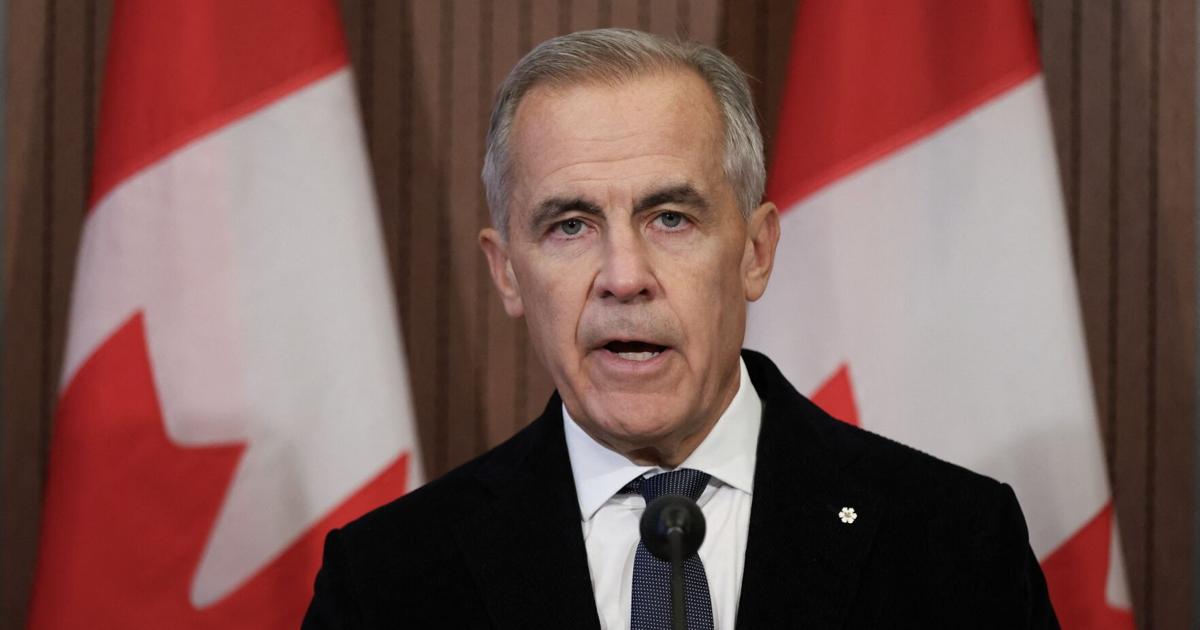
🔮 OTTAWA — Tax reform designed to spur economic growth will be a key pillar in Prime Minister Mark Carney’s second budget, government sources say, signalling another policy shift in the governing Liberals from the Justin Trudeau era.
2026-10-29 · assertive framing · Carney budget to focus on taxes, shift from Trudeau era
🔮 The update also announced the new Council for 24 Sussex, a group of “distinguished” supporters of the project who will add their voices, expertise and access to networks, while helping raise awareness and encourage contributions.
🔮 That could include using sanctions to freeze and forfeit assets to compensate victims and their families.
🔮 The Carney government announced Tuesday that it will create a new Crown corporation for defence procurement, the latest new wing of the federal bureaucracy at a time of public service cuts.
🔮 A new report by Ottawa’s fiscal watchdog warns that the planned high-speed rail project from Toronto to Quebec city could cost as much as 25 per cent more than the Carney government’s highest estimates.
🔮 But as Meggs’ brief trek across the bridge suggests, the 15-acre park may now be overrun by swarms of government.
🔮 A new report by Ottawa’s fiscal watchdog raises questions about when the government will eliminate its operating deficit, despite Prime Minister Mark Carney saying last week that the government now expects to balance its operating budget a year earlier than the original goal.
🔮 — The Carney government’s latest round of counter-tariffs may weaken the legal case against the Trump tariffs, because they directly discriminate against American imports, a new think tank report says.
🔮 — Repeating his recent emphasis on saving Canadians’ money, Poilievre said the cuts would come largely from reducing the federal bureaucracy, foreign aid, corporate welfare, fake asylum claims and “boondoggles” like the government’s high-speed rail plan.
🔮 The domestic golf cart business has only a handful or so players, but small businesses that import and sell mobility scooters, power wheelchairs and other electric or battery-powered gadgets may also fall under the same automotive classification.
Also by Simon Tuck
Nothing else under this byline is closely related to this article, so these are simply their most recent.
All 10 articles by Simon Tuck →

Topics

Canada Canadians Liberals National Post OTTAWA

Subjects

Canada GPE · 6× Carney PERSON · 5× Canadians NORP · 3× Champagne PERSON · 2× Liberals NORP · 2× National Post ORG · 2× OTTAWA GPE · 2× Justin Trudeau PERSON · 1× Mark Carney PERSON · 1× Toronto GPE · 1×

Narrative

Other government priorities aimed at the same goals have included re-establishing stronger trade relations with China, India and others, updating infrastructure for exporters, faster approval times for major projects and boosting internal trade. “There is an opportunity to rebuild the nation and renew its sense of mission,” said a government source.
framing: assertive · carried by 1 article(s) · first seen 2026-10-29
🔮 OTTAWA — Tax reform designed to spur economic growth will be a key pillar in Prime Minister Mark Carney’s second budget, government sources say, signalling another policy shift in the governing Liberals from the Justin Trudeau era.
2026-10-29 · National Post
Carney budget to focus on taxes, shift from Trudeau era · assertive framing

Claims (48 extracted, 4 hedged)

OTTAWA — Tax reform designed to spur economic growth will be a key pillar in Prime Minister Mark Carney’s second budget, government sources say, signalling another policy shift in the governing Liberals from the Justin Trudeau era. asserted
sources → design → era
National Post has learned that the budget, to be unveiled next Thursday, is expected to prioritize tax measures to spur innovation and improved competitiveness as Carney attempts to boost investment and Canadians’ standard of living. asserted
Carney → learn → living
Sources say there will also be measures to reduce the red tape that costs businesses time and money. asserted
that → say → time
“It’s a growth and competition budget,” said a senior government source. asserted
source → ’ → ?
“We’re trying to create an investment supercycle in Canada.” asserted
We → try → Canada
Many economists say amending, perhaps even overhauling, Canada’s much-maligned tax system should be a key element in the recipe to improve productivity and growth, which translates into higher wages and jobs. asserted
which → say → wages
As reported last week in National Post, the budget will also focus on improving the landscape for Canada’s small and medium-sized businesses. asserted
budget → report → businesses
Many economists and others outside the government also expect that Carney’s 2025 campaign promise for a broad review of corporate tax policy, also with an aim to encourage investment and economic growth, will find its way into the Nov. 5 financial plan. asserted
promise → expect → plan
Another key block of Carney’s economic plan, the new productivity mega-deduction that was announced last month at an international investors’ summit in Toronto, may also be formalized as part of the budget. uncertain
that → announce → budget
It’s not yet clear if the Liberals will include that tax measure as a budget item or formalize it through separate legislation. asserted
Liberals → ’ → legislation
Carney’s primary aim is to improve the Canadian economy’s performance after years of lagging its G7 counterparts. asserted
aim → improve → counterparts
His government’s action to date on that front are in stark contrast to his Liberal predecessor, Trudeau, who focused more on moves to improve economic equality. asserted
who → focus → equality
Ottawa’s new tax policy measures to boost growth will be part of a suite of moves on this front, as Canada tries to withstand a wide range of new U.S. tariffs, which have hit key industries such as steel, auto, aluminum and forestry. asserted
which → boost → steel
Other government priorities aimed at the same goals have included re-establishing stronger trade relations with China, India and others, updating infrastructure for exporters, faster approval times for major projects and boosting internal trade. “There is an opportunity to rebuild the nation and renew its sense of mission,” said a government source. asserted
source → aim → mission
Canada’s business community now seems more confident about the country’s direction. asserted
community → seem → direction
Goldy Hyder, chief executive officer of the Business Council of Canada, which represents many of the country’s largest companies, said the productivity mega-deduction was a major step forward for competitiveness and investment and that he looks forward to more reform in the budget. asserted
he → represent → budget
One possibility, Hyder said, would be further changes to capital cost allowance (CCA) rules that dictate how quickly and broadly companies can write off capital costs for things such as machinery, equipment and buildings. asserted
companies → say → buildings
“They’re trying to do what they can.” asserted
they → try → ?
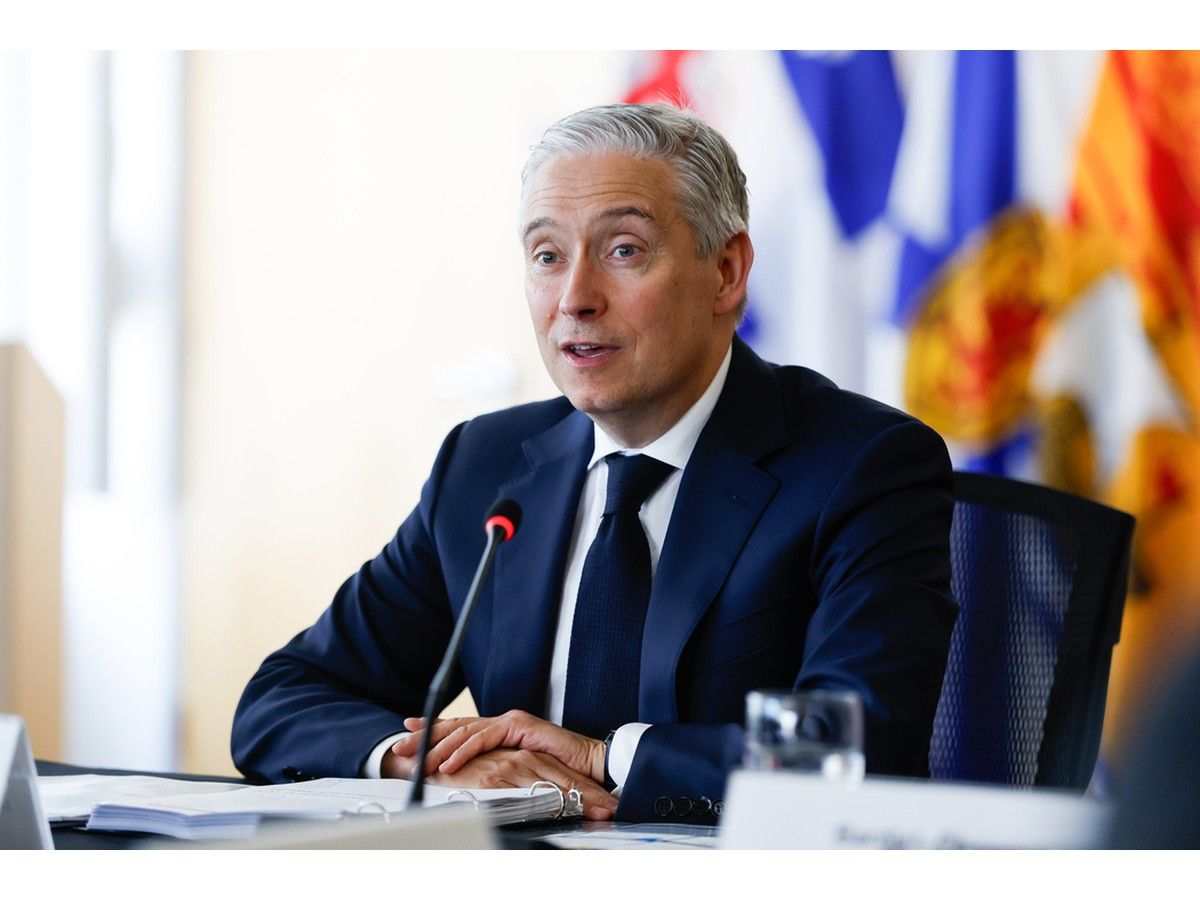
The big question for Carney and his finance minister, François-Philippe Champagne, is whether they take a big swing next week at cutting either personal or corporate income taxes after their first budget was seen as mostly tinkering. asserted
budget → take → tinkering
Champagne said week that the government’s first priority in making this budget is Canadians’ cost of living. asserted
priority → say → living
But the second, he said, is economic growth, with the accent on helping small and medium-sized businesses seize opportunities. asserted
businesses → say → opportunities
He has indicated in recent months that the government will continue to err on the side of what he calls “investments” in the economy, instead of reducing the deficit. asserted
he → indicate → deficit
Canada has the strongest fiscal position in the G7, Champagne has said many times, and that leaves room to spend or cut taxes or other revenue sources. asserted
that → have → taxes
“I think Canadians can understand that we have a strong fiscal position and we’re investing in the things that will generate growth to the country,” he said in July Champagne is expected to speak more about the government’s budget priorities on Monday during a speech in Ottawa. asserted
Champagne → think → Ottawa
Many economists argue that corporate and personal income tax cuts, along with other tax reform measures, are the key to improving Canada’s productivity and standard of living. asserted
cuts → argue → living
The problem is that they’re also expensive for a government that has already made big spending promises on such items as defence and cutting an array of taxes that helped fill its coffers. asserted
that → ’re → coffers
“Canada’s sluggish economic growth and federal fiscal excesses have become a vicious cycle,” said the C.D. Howe Institute think tank in a report released last week. asserted
tank → become → report
“Canadians’ incomes are not growing nearly fast enough. asserted
incomes → grow → ?
And to many economists, including Carney, tax reform is an important part of the solution. asserted
reform → include → solution
To date, the productivity mega-deduction, which the government estimates will cost the treasury $36.5-billion over the next five years, has been the biggest play. asserted
government → estimate → years
It was designed to use the tax system to spur investment, particularly in capital-intensive industries such as energy, mining, transportation, and technology and may well be included in the budget. uncertain
It → design → budget
Unveiled last month at an international investors’ summit in Toronto, the changes are expected to cut Canada’s projected tax rate on new investment, a key metric for large investors, by slightly more than half, to about 6.4 per cent from 13 per cent. asserted
changes → unveil → cent
The Carney government has also made a number of moves to trim or eliminate taxes: pausing the federal tax on gas and diesel, eliminating the federal portion of inter-provincial trade barriers, cancelling the digital services tax, making a modest cut to personal income taxes and the super mega-deduction. asserted
government → make → taxes
While economists say each of those moves should help the economy, they also add to the deficit. asserted
they → say → deficit
The challenge for Carney and Champagne is that cutting taxes of any type costs government revenue at a time when Ottawa is adding piles of red ink. asserted
Ottawa → cut → ink
There’s also concern that the government needs every penny it takes in during a trade war with the U.S., which consumes about three-quarters of all Canadian exports. asserted
which → ’ → exports
As reported earlier this week in National Post, Ottawa may be on track to take in almost $20-billion more in taxes and other revenue this year than had been expected less than six months ago. uncertain
Ottawa → report → taxes
The increase is largely a function of higher market prices for oil and other natural resources, increased revenue from personal income taxes and a modest jump in inflation. asserted
increase → increase → inflation
While that should leave the government more room to spend, cut taxes or reduce the deficit, economists warn that much of that money has already been accounted for through announcements for such things as increased defence spending. asserted
much → leave → spending
The C.D. Howe Institute says Ottawa can make the economy more productive and boost Canadians’ standard of living without blowing its budget. asserted
economy → say → budget
…and 8 more, not listed.

💬Give feedback
🕘History 🎫Support