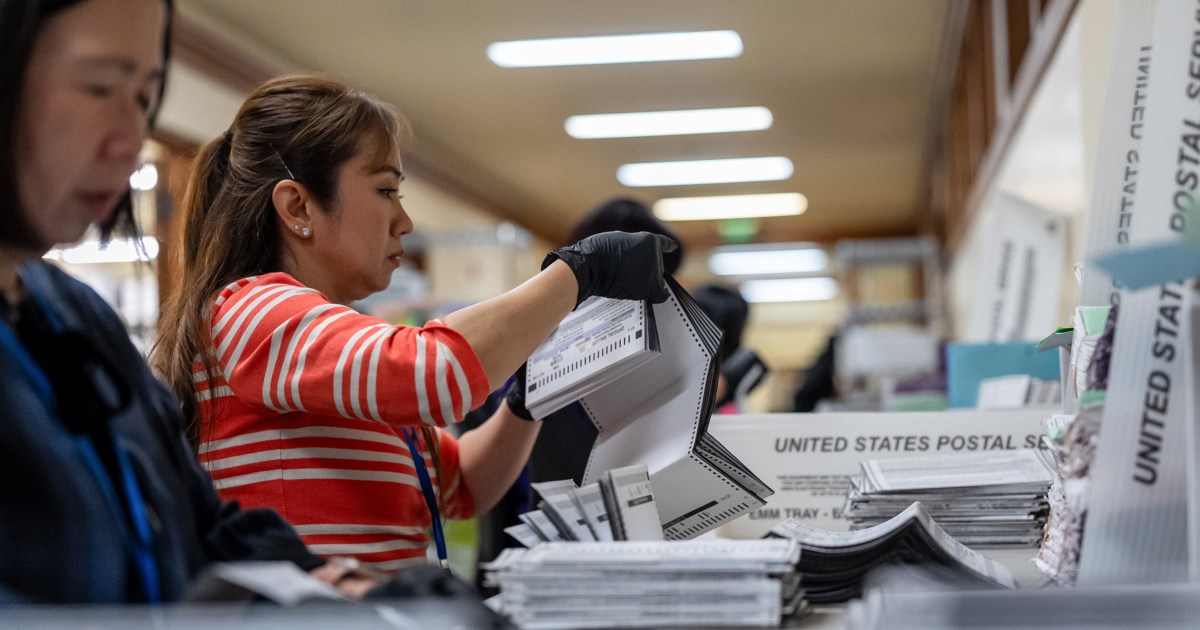
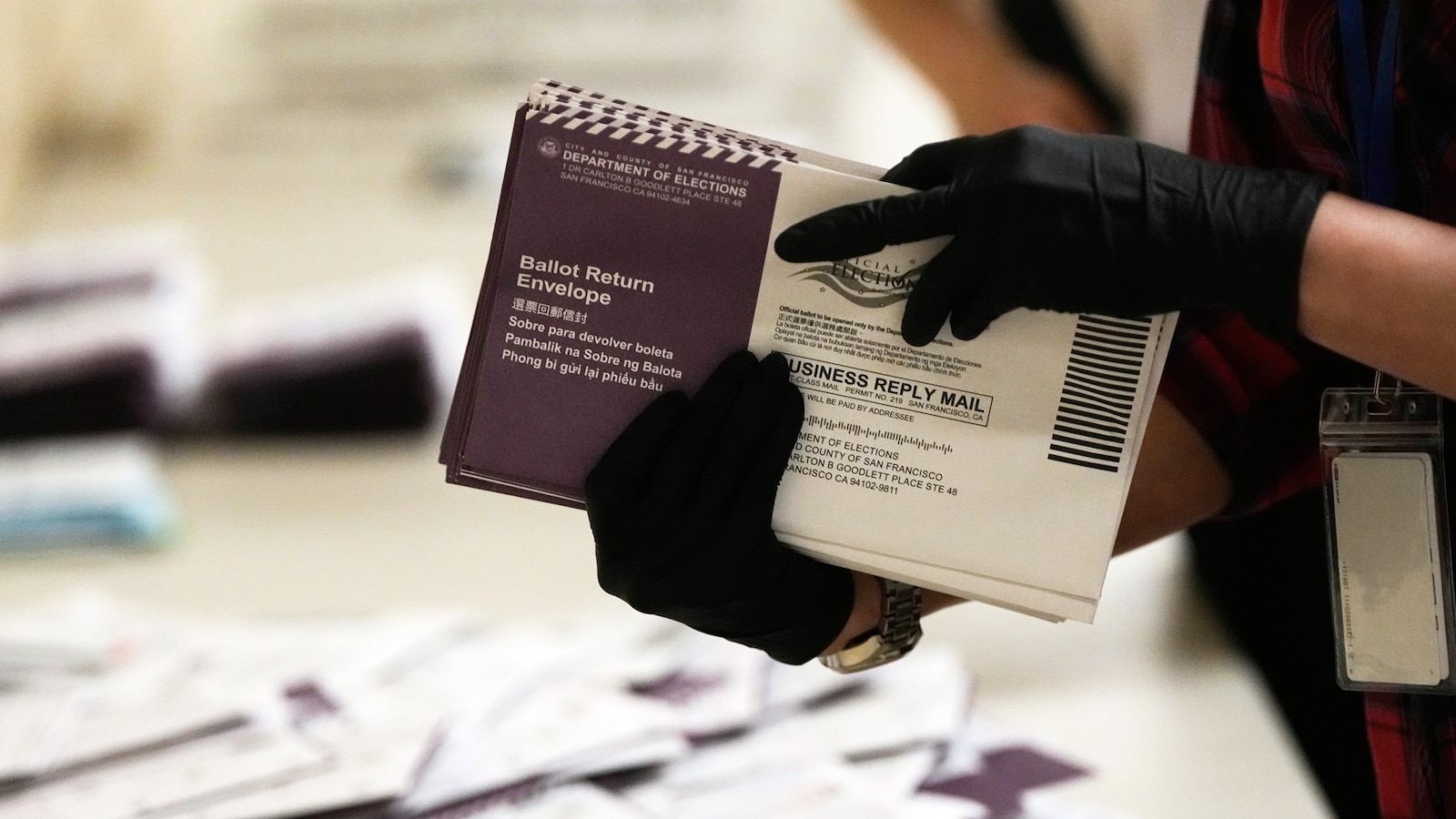
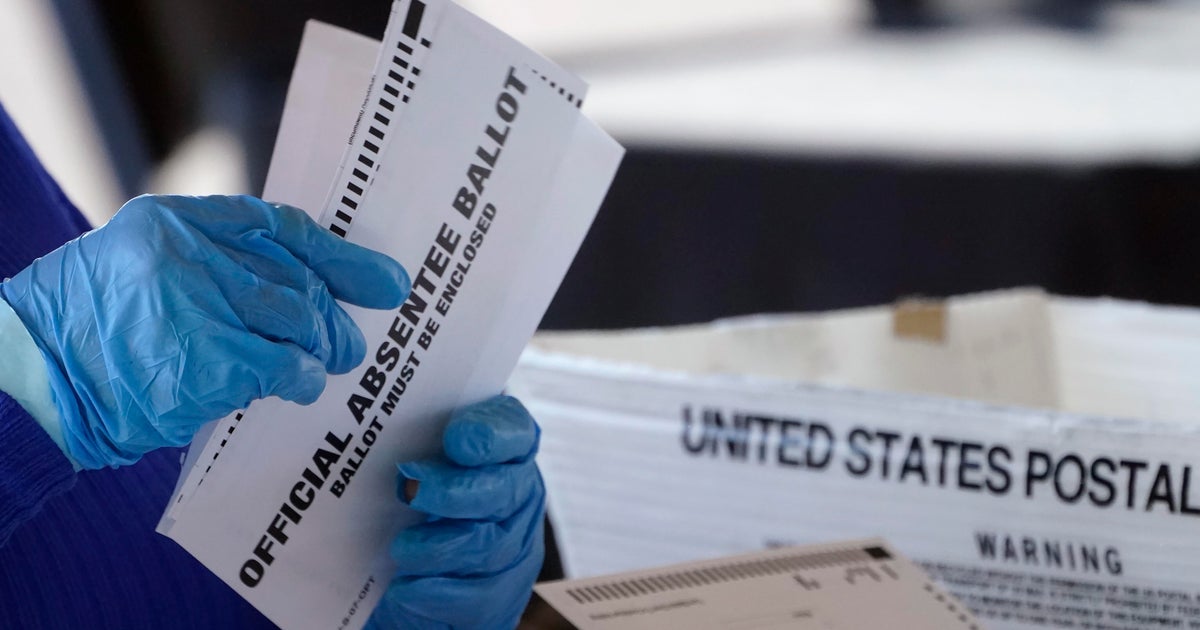
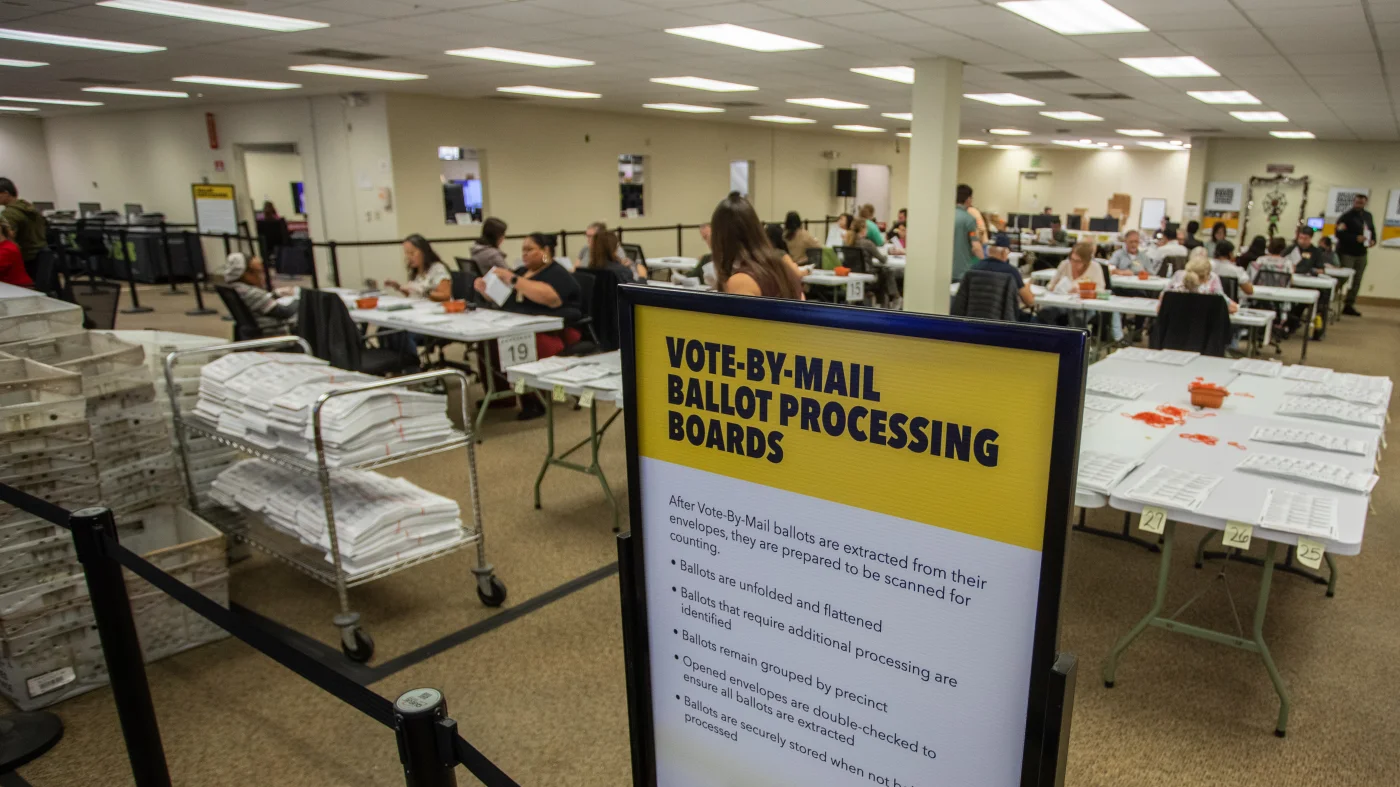
A federal judge in California is refusing a request by the Trump administration to segregate 20,000 mail-in ballots from individuals it alleges are noncitizens.
asserted
it → refuse → individuals
“This request violates longstanding constitutional principles mandating that states have control over their elections,” U.S. District Judge David Carter wrote.
asserted
Carter → violate → elections
“If Plaintiff’s last-minute request for relief were granted, either party could create chaos for their own political purposes to disrupt the election process.”
uncertain
party → grant → process
Carter, as he did during Tuesday’s hearing, notes there is a “clear remedy” available to the federal government: the use of its prosecutorial tools.
asserted
he → do → tools
Carter also notes California has established procedures to cancel the voter registration of any individual proven ineligible.
asserted
California → note → individual
“The Executive’s requested relief, however, would wreak havoc and disrupt the election that is already underway, create a chilling effect on election workers and voters alike, and discount the votes of United States citizens,” Carter writes.
asserted
Carter → request → citizens
The Justice Department filed the suit on Oct. 15, seeking a court order that the state “set aside vote-by-mail ballots from persons identified by the Federal Government likely to be noncitizens” and not count them until their citizenship is confirmed.
asserted
citizenship → file → them
The department said it had compiled “a list of over 20,000 names of people” the government “believes are likely noncitizens.”
asserted
government → say → people
Attorneys for the state countered that the government’s numbers are unreliable.
asserted
numbers → counter → state
In a July letter, it put the number of suspect voters at 190,000 and has refused to release information about how it has generated its lists.
asserted
it → put → lists
“Where is the evidence?” an attorney representing California, Christina McCall, said it a hearing Tuesday, calling the government’s allegations “vague” and “not reliable.”
asserted
attorney → represent → allegations
Another attorney for the state, Anne Bellows, told the judge “the stakes here are enormous,” arguing the government was trying to force California to initiate an unclear investigation into the citizenship of tens of thousands of people without any clear standards shortly before an election.
It “is a recipe for disenfranchisement,” Bellows said.
uncertain
Bellows → tell → disenfranchisement
First Assistant U.S. Attorney Bill Essayli told the judge, “We’re not telling California what they have to do.
asserted
they → tell → what
We’re telling them what they can’t do.”
asserted
they → tell → what
Essayli said once the state is made aware of potential noncitizens on its voter rolls, “they need to do something.
asserted
they → say → something
”
“What they cannot do is do nothing, and proceed to count the votes,” he said.
asserted
he → do → votes
The judge said that if the government believes there is non-citizen voting, which is a crime, it should bring charges.
asserted
it → say → charges
“Don’t you have the power of indictments?” Carter asked Essayli.
asserted
Carter → have → Essayli
“You brought 28 indictments,” he said, referring to a recent announcement by prosecutors of individuals that have been found to have voted illegally in California in recent years.
asserted
that → bring → years
“You may find others.
uncertain
You → find → others
You have the right to bring that indictment against them.”
asserted
You → have → them
“You’ve got a remedy, for goodness’ sakes,” Carter said.
asserted
Carter → get → sakes
“Go out and indict.”
The Justice Department has already been to a federal appeals court once on the case.
asserted
Department → go → case
It filed a motion to expedite the case to the 9th U.S. Circuit Court of Appeals last week, after Carter didn’t act on its request to rule in the matter by Thursday.
asserted
Carter → file → Thursday
The appeals court held an emergency hearing Sunday, and ruled against the administration in a 2-1 ruling the following day.
asserted
court → hold → ruling
The majority found they didn’t have jurisdiction because Carter had not yet ruled, but found the government’s “claimed emergency” was at least partly “a self-constructed one.”
asserted
emergency → find → jurisdiction
“At least part of the delay here is attributable to the United States’s own delay in filing suit,” Judge Mark Bennett wrote in the ruling.
asserted
Bennett → file → ruling
“The United States has taken issue with California’s voter rolls since at least July 16, when it sent a letter to California’s secretary of state citing its ‘[p]reliminary’ analysis of California’s voter rolls.
asserted
it → take → rolls
And neither California’s law permitting the processing of ballots twenty-nine days before an election, nor its law providing for the issuance of mail-in ballots to registered voters, is new.”
asserted
law → permit → voters
Circuit Judge Gabriel Sanchez wrote in a concurring opinion that the government was asking the “court to dictate to a state legislature a matter squarely within the state’s traditional domain, upending the state’s policies in this regard and inviting disorder and confusion for voters and election officials alike.”
asserted
government → write → voters
The dissenting judge, Trump appointee Patrick Bumatay, wrote, “We should’ve granted the federal government relief — federal law precludes California from commingling ballots likely cast by aliens with legitimate ballots, because it encourages and induces illegal voting.”
asserted
it → dissent → voting
 The Aporia