- Published
The UK may have no involvement in the US-Iran war, but the country is feeling the full force of the conflict on its economy.
uncertain
country → publish → economy
Soaring energy prices are set to dent growth in the short term, push up inflation and leave living standards in a "grim" place, according to the latest official forecast from the Office for Budget Responsibility (OBR).
uncertain
prices → soar → Responsibility
Interest rates are also predicted to rise, making borrowing more expensive, along with government debt repayments.
asserted
borrowing → predict → repayments
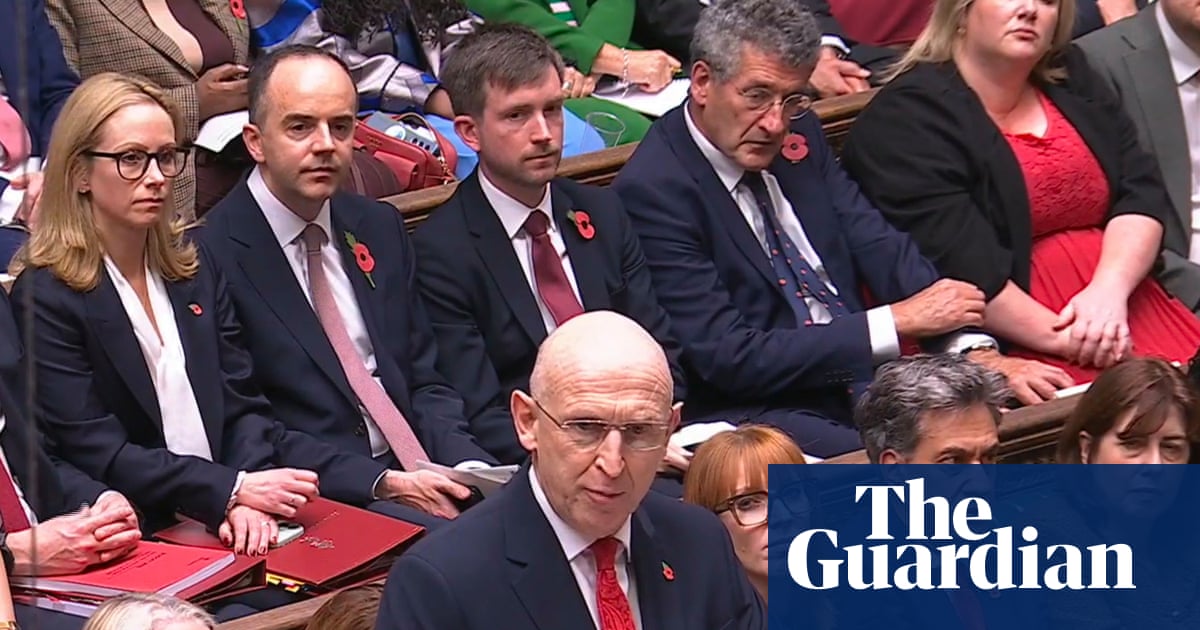
Chancellor John Healey warned the nation faces "real challenges ahead" as he announced policies that he said would offer "breathing space" for households in the coming months.
asserted
he → warn → months
"What we face today are global economic storms," he said.
asserted
he → face → What
"We can't wish them away.
asserted
We → wish → them
We must choose the course we steer through them."
asserted
we → choose → them
In its first assessment of the UK economy since the Middle East conflict started, the OBR said rising energy prices were the biggest risk to the economy in the near future.
asserted
prices → start → future
Despite raising its growth forecast for this year, it sharply cut its prediction for next year from 1.6% to 1%.
asserted
it → raise → %
Growth is then set to rebound in the following years.
asserted
Growth → set → years
When an economy grows, businesses tend to invest more, create more jobs and give pay rises to workers, which leaves people feeling better off on average, though it can take time and not everyone necessarily benefits.
asserted
everyone → grow → time
Companies making higher profits also pay more in tax, which can enable the government to spend more on public services.
asserted
which → make → services
When there is slow economic growth, or the economy shrinks, the opposite can occur.
asserted
opposite → be → ?
Inflation can weigh on growth and the OBR has forecast that prices are set to rise at a faster pace as higher energy bills filter through supply chains and to consumers, especially in 2027.
asserted
bills → weigh → 2027
High global oil prices have already hit drivers at the pumps, with petrol priced at almost £1.73 per litre on average, while diesel is near £1.99.
asserted
diesel → hit → 1.99
Elevated oil prices over time can lead to prices edging upwards across a host of goods, such as food, as companies pass on the higher expenses they face to consumers.
asserted
they → lead → consumers
Goods are typically transported to destinations by lorries and vans, so high fuel prices can have far-reaching consequences.
asserted
prices → transport → consequences
The OBR now thinks inflation will stay higher for longer than previously forecast, peaking at 3.8% in 2027.
asserted
inflation → think → 2027
Despite the cost-of-living support announced by the government, economists at Pantheon Macroeconomics said the measures were "small beer given the surge in inflation we expect over the winter".
asserted
we → announce → winter
High inflation paints a bleak picture when it comes to living standards and the OBR has forecast a dip next year as energy bills hit the spending power of households.
asserted
bills → paint → households
Those on lower incomes are set to be hit harder, however, because energy costs eat up a bigger share of their monthly budget and disposable income.
asserted
costs → set → budget
Real household disposable income, a measure of living standards, is forecast to grow from 2027, but not by as much as previously thought.
asserted
income → forecast → much
"It's a pretty grim picture," according to the OBR's David Miles, who says there has been "virtually no growth" for individuals since before the Covid pandemic.
uncertain
who → accord → pandemic
"It's been a dismal period in British economic history."
Inflation is expected to average 3.4% next year, before falling to the Bank of England's 2% target towards the end of the decade.
asserted
Inflation → expect → decade
The Bank is widely expected to raise interest rates next week due to higher inflation in recent months.
asserted
Bank → expect → months
Rates are currently at 3.75%, but the OBR now forecasts they could rise to as high as 4.5% in the coming years.
uncertain
they → forecast → years
It had previously forecast two interest rate cuts this year.
asserted
It → forecast → cuts
Higher rates makes borrowing money more expensive but can boost returns on savings.
asserted
borrowing → make → savings
Inflation also raises the cost of borrowing for the government, with spending on debt interest set to rise.
asserted
spending → raise → interest
Such repayments are also predicted to increase the overall amount the government borrows, which is set to increase every year by more than had been previously forecast by the OBR.
asserted
which → predict → OBR
Higher spending on welfare and pensions due to inflation is also expected to increase borrowing, though it is forecast to fall as a share of the economy over the next five years.
However, forecasts are only a best guess at what might happen in the future.
uncertain
what → expect → future
Given the way the conflict in the Middle East has upended previous predictions, the future of the war could alter inflation expectations.
uncertain
future → give → expectations
US President Donald Trump has suggested the war will end after the mid-term elections next month.
uncertain
war → suggest → elections
The OBR admitted there remained "significant uncertainty" around its predictions due to the changing situation in the Middle East.
asserted
OBR → admit → East
 The Aporia