And effective altruist movement leadership tells me that their strongest opinion this year is to vote Scott Wiener for Congress in San Francisco.
asserted
opinion → tell → Francisco
Wiener is a leader in AI safety and YIMBYism, and the California politics insiders I’ve talked to have been impressed by his intelligence, drive, and performance in Sacramento.
asserted
I → talk → Sacramento
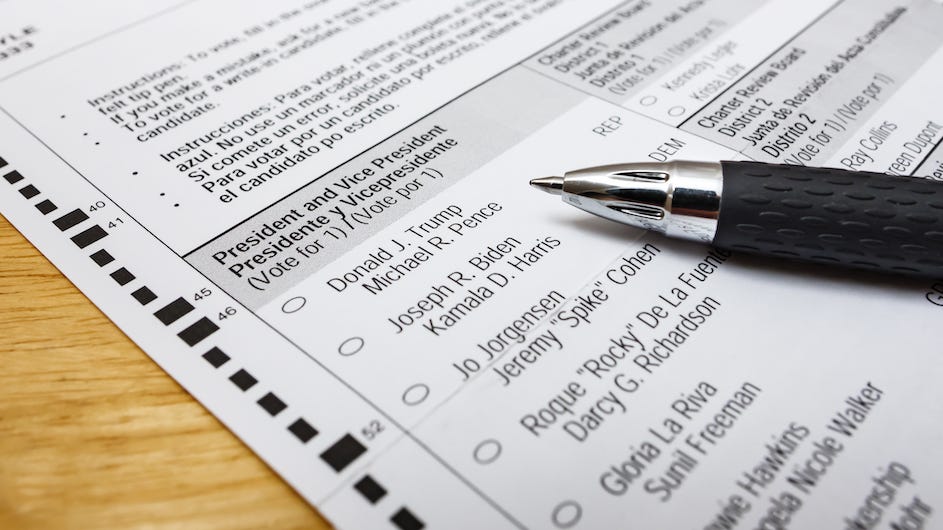
Here’s how I’m voting (Oakland, Alameda County, California):
I.
asserted
I → ’ → ?
California State Propositions
Proposition 1: Authorizes $11.25 billion in bonds to build affordable housing
Supporters claim it will build (or renovate) 40,000 homes; I asked an AI superforecaster1 to predict the true number, and it guessed that 22,000 would actually get built.
uncertain
22,000 → authorize → number
That implies a cost of $500K per home, which would then be supplemented by state, local, and market funding for a total of $700K+ per affordable home.
asserted
which → imply → home
Other things that turn me against this:
~5-10% will be spent on subsidizing demand, which will just drive up prices for everyone else.
asserted
which → turn → everyone
~25% of the new homes are earmarked for specific groups like students, veterans, farm workers, and Native Americans, although this might not matter, since housing is fungible and those people will leave other houses that will then be available to the general public.
uncertain
that → earmark → public
There are concerns that the government-sponsored-affordable-housing industry sometimes lobbies against market rate housing because it reduces the demand for government-sponsored affordable homes.
asserted
it → be → homes
The AI superforecaster says that this would only decrease the cost of market-rate housing in California by 0.4%.
asserted
this → say → %
On the other hand, this is endorsed by CA YIMBY, YIMBY Action, and most other YIMBY groups, because we do need more housing.
asserted
we → endorse → housing
They claim this proposition is relatively well-designed by the low standards of California housing-related laws.
uncertain
proposition → claim → laws
So it comes down to - given that California genuinely needs more homes, do we accept a standard California-style solution that gets those homes stupidly and expensively, or do we let the problem get worse in the hopes that maybe something magically changes later?
asserted
something → come → hopes
I weakly vote NO.
asserted
I → vote → ?
Proposition 2: Increases the state’s Rainy Day Fund
California makes much of its money by taxing the rich.
asserted
California → increase → rich
The rich get much of their money from capital gains, which are high during booms and low during crashes.
asserted
which → get → crashes
In 2014, California instituted a policy of saving money during booms that they could spend during the crashes, and this has gone well.
uncertain
this → institute → crashes
But the original law was poorly designed and prevents the legislature from saving more than a certain amount, which was too low.
asserted
which → design → amount
Now they want permission to save a higher amount.
asserted
they → want → amount
This seems like a rare bright spot of fiscal prudence.
asserted
This → seem → prudence
The opponents are mainly tax watchdogs who hope that if they make it harder for California to save money, California will have to give the money back to the taxpayers, which seems too galaxy-brained and irresponsible.
asserted
which → hope → taxpayers
I vote YES.
asserted
I → vote → ?
Proposition 3: Extends an existing tax on wealthy people which is used to fund schools and health care
They say nothing is as permanent as a temporary tax increase, and in 2012, California voted for a temporary tax increase on wealthy people.
asserted
California → extend → people
It expires in 2030, and oops, now our entire budget depends on it and if we ever got rid of it then the schools would crumble into dust and the health system would be entirely replaced by witch doctors and shamans.
asserted
system → expire → doctors
I do feel sorry for California’s budgetary officials, because our proposition system is constantly banning various categories of tax, and then they have to make up for it with other, sneakier categories of tax, including temporary taxes that become permanent.
asserted
that → feel → taxes
I believe everyone who says this would be devastating for education and health care if this were were allowed to expire.
asserted
this → believe → education
And honestly, I’m just happy to get a proposition that technically doesn’t put a new tax on me.
asserted
that → ’m → me
I weakly vote YES.
asserted
I → vote → ?
Proposition 4: Repeals prohibition on public funding of campaigns
California banned this practice in 1988, although the ban didn’t apply to a certain type of city called “charter cities” (not the same thing as Prospera-style charter cities) which includes Los Angeles, San Francisco, and Oakland.
asserted
which → repeal → Angeles
In the public funding model, candidates who get a certain number of small donors are eligible for public support for their campaigns, usually in the four-to-six digit dollar range.
asserted
who → get → range
This supposedly makes it easier for ordinary people to compete with machine-backed candidates and billionaires.
asserted
people → make → candidates
Opponents argue that taxpayers should not be forced to subsidize candidates they disagree with, and that these programs often become corrupt.
asserted
programs → argue → candidates
Some considerations on this proposition:
It would probably cost about $75 million in extra local taxes, though not for me (Oakland already has this policy, so nothing would change).
asserted
nothing → cost → policy
It doesn’t invoke the state’s ethics watchdog, which would be the usual enforcer, strengthening concerns about local corruption.
asserted
which → invoke → corruption
The San Francisco Chronicle opposes it on this basis.
asserted
Chronicle → oppose → basis
Studies suggest that public financing programs like these cause more candidates to enter, but that these additional candidates don’t win.
asserted
candidates → suggest → these
There is no evidence that they make the incumbent win less, or reduce donor power.
asserted
incumbent → be → power
The main study which does find a change in winning candidates finds that it makes candidates more ideologically extreme, although other studies disagree.
asserted
studies → find → candidates
Cities like Los Angeles, San Francisco, and Oakland which currently have this policy under the charter city exemption don’t seem to be noticeably better.
asserted
which → have → exemption
The main countervailing consideration is that I don’t like when the state bans cities from trying things.
asserted
state → like → things
I weakly vote NO.
asserted
I → vote → ?
…and 185 more, not listed.
 The Aporia